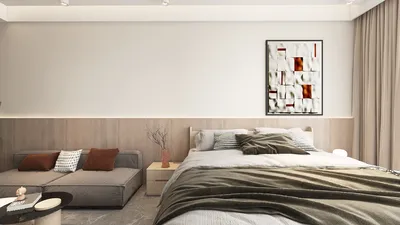


When it comes to designing a hall wash basin, I apply the same meticulous approach that I use for kitchens and powder rooms. This includes selecting durable materials, considering ergonomic heights, and incorporating flattering lighting to enhance both users and finishes. Strategically placing a basin within or near the hall facilitates quick handwashing, promotes guest flow, and serves as an elegant focal point. Research from Steelcase indicates that environments designed to support healthy micro-habits—such as convenient handwashing facilities—are linked to enhanced well-being and perceived productivity. Their Wellbeing report emphasizes how subtle environmental cues can influence behavior. Furthermore, WELL v2 outlines the need for accessible handwashing amenities and clear hygiene cues as part of its Health and Community concepts, underscoring the significance of basin placement and visibility in communal spaces, a principle that can also be managed conveniently with tools like Homestyler.
Design Intention: A Focal Point with Purpose
In busy circulation areas, a decorative basin should be viewed as a purposeful sculptural feature rather than an afterthought. Research from Gensler shows that clear navigation and seamless amenities lead to higher user satisfaction; in hallways, this means positioning the basin so it is easy to spot yet not intrusive, ensuring it doesn’t disrupt the flow of movement. I typically place the front edge at least 36 inches away from any obstructions, helping to maintain a smooth pathway, and set the rim height to around 34–36 inches to cater to the average adult, following general ergonomic recommendations from professionals. Regarding materials, I prefer sintered stone or high-density ceramics with a honed finish to reduce glare when illuminated by directional lights.
Lighting: Flatter the Finish, Not the Splash
The lighting chosen for a hall basin is crucial. I recommend using warm-white ambient lighting ranging from 2700–3000K for hospitality settings, while 3000–3500K neutral-white is suitable for contemporary spaces. It's best to avoid harsh downlights directly above the tap; IES standards highlight the importance of managing reflections and glare, leading me to favor wall washing or offset sconces to minimize intense highlights on wet surfaces. Ideally, a vertical illuminance of 150–300 lux in the basin area is comfortable for wayfinding and casual grooming without appearing too much like task lighting. This creates a soft glow that highlights textures—be it fluted marble, ribbed ceramic, or cast concrete—without accentuating water spots.
Color Psychology: The Subtle Nudge
Colors can influence behavior effectively. Synthesis from Verywell Mind on color psychology suggests that shades of blue and green evoke feelings of calmness and cleanliness, while softer neutral tones help lessen visual clutter. To promote the concept of hygiene without being too loud, I prefer to anchor the basin wall with muted greens or desaturated teals. Metal finishes, such as brushed brass for warmth or satin nickel for a more restrained effect, add visual interest. In compact halls, using a light base color alongside a contrasting basin silhouette keeps sightlines clear and enhances the perception of space.
Form Factors: Pedestal, Console, Wall-Hung, and Integrated
In hall applications, three main styles emerge: wall-hung basins that create open floor space, console basins with slender supports for a classic touch, and integrated countertop basins within slim cabinets. Wall-hung designs excel in narrow hallways due to their ease of cleaning and minimal visual impact. Pedestal and console styles add sculptural flair; just ensure they project less than 18–20 inches in narrow corridors. For an integrated option, a shallow cabinet (12–14 inches deep) with a sleek basin allows for effective handwashing without overwhelming the corridor. I often use a layout simulation tool such as Homestyler to prototype the arrangement and verify lines of sight and maneuvering space.
When planning around plumbing that is off-axis or if the hall has doors and stairs, I take into account swing arcs, emergency egress, and housekeeping routes before selecting the basin position. It's important to place the basin at least 8 inches away from door swings and ensure a 30–32-inch clear width for movement. Using a room layout tool can significantly aid in visualizing basin placement against entry points and furniture volumes, resulting in a clean and functional solution.
Materials & Finish: Beautiful Yet Practical
Halls require surfaces that can handle wear and tear. High-fired ceramics with a nano-glaze are great for resisting stains; quartz composite and sintered stone are excellent for withstanding scratches and heat. I recommend matte or low-sheen finishes to reduce glare and fingerprints. For wall treatments, choose water-resistant paints or microcement; keep countertop edges eased to 2–3mm to prevent chipping. Acoustic comfort is also essential—soft walls, rugs, or slatted wood absorb splash vibrations and minimize echo in elongated corridors, enhancing quality perception and tranquility.
Tap and Accessory Strategy
Using a short-projection spout (110–140mm) helps reduce splashing in shallow basins. Single-lever mixers are more practical in public settings, and aerators with a flow rate of 1.5–1.8 gpm strike a good balance between water efficiency and user experience. It's vital to keep towel hooks within 12–18 inches of the basin and to add a subtle drain cover to eliminate noise. If a hands-free experience is desired, sensor taps can be advantageous; just make sure to consider power accessibility and maintenance ease.
Storage in Tight Quarters
Even a small hall can benefit from clever storage solutions. Incorporate a slim drawer for guest towels, a concealed space for soap refills, and a recess for cleaning supplies to minimize clutter. I often design a 4–6-inch deep niche above the basin for decorative soap dishes or a small vase—this functional decor can enhance the overall presentation without hindering pedestrian flow.
Styling and Decor: Subtle Layers
To create an inviting hall vignette, I recommend limiting decor to one or two standout elements. This could be a piece of framed artwork opposite the basin to balance visual weight or a simple arrangement of branches for a touch of nature. Mirror placement is optional; if used, opt for a tall, narrow design to elongate the wall and avoid obstructing pathways. To maintain continuity, ensure the color palette resonates with adjacent rooms, repeating elements like metal finishes or stone tones to integrate the basin with the overall architecture.
Maintenance and Longevity
Given the frequent use of a hall basin, it's important to prioritize durable seals, removable traps for easy cleaning, and splashbacks that extend 4–6 inches behind the tap. Anti-microbial soap cartridges can be beneficial where suitable, and access panels for plumbing should be confirmed. Keeping spare aerators and a consistent maintenance kit (including sealant and touch-up paint) ensures that the space looks presentable throughout the year.
Sample Design Schemes
• Minimal Modern: Wall-hung white ceramic basin, satin nickel tap, microcement walls in a light gray color, offset tube sconces at 3000K, and a slim storage niche.
• Classic Console: Porcelain console basin with brass legs, hand-applied zellige tile in soft sea-green, framed artwork, with 2700K warm sconces for a welcoming ambiance.
• Sculptural Statement: Cast concrete pedestal with an elegant tapered design, a ribbed plaster backdrop, indirect cove lighting, and matte black fixtures for striking contrast.
FAQ
Q1: What is the ideal basin height for a hall?
A: I generally set the rim height to 34–36 inches to accommodate most adults comfortably. This height aligns well with ergonomic standards for standing handwashing.
Q2: How deep should a hall basin be to prevent splash?
A: Limit the projection to 16–18 inches in narrow halls and pair it with a short-projection spout. A gently sloping bowl with a centered drain will help minimize splashing.
Q3: What lighting levels work best?
A: Aim for a lighting level of 150–300 lux around the basin for adequate visibility. Utilizing 2700–3000K warm white light for hospitality settings or 3000–3500K for a contemporary feel is recommended, avoiding harsh downlights to reduce glare as per IES guidelines.
Q4: Are wall-hung basins suitable for heavy use?
A: Indeed, if securely anchored to studs or a support frame, they are ideal for compact settings, freeing up floor space and simplifying cleaning.
Q5: Which materials resist stains and scratches?
A: High-fired ceramic with a nano-glaze, sintered stone, and quartz composite are excellent choices. Select matte finishes to minimize visible fingerprints and glare.
Q6: How do I integrate storage without crowding?
A: Consider slim drawers, shallow cabinets (12–14 inches deep), or recessed niches above the basin. Keeping handles flush prevents snagging in tight circulation paths.
Q7: What tap flow rate balances efficiency and comfort?
A: An aerator set around 1.5–1.8 gpm provides a comfortable flow while conserving water. If using sensor taps, check for power availability and maintenance access.
Q8: Can color really influence hygiene behavior?
A: Yes, subtle visual cues can be effective. Shades of greens and blues are known to imply cleanliness and tranquility, while consistent visual themes can encourage use of the basin. This notion is well-supported in color psychology, such as reported by Verywell Mind.
Q9: How do I manage acoustics in a hard corridor?
A: Adding softer surfaces nearby—like rugs, fabric wall panels, or slatted wood with sound-absorbing materials—can significantly reduce splash noise and echo for a more pleasant atmosphere.
Q10: What’s the best mirror shape for narrow halls?
A: A tall, narrow mirror works best as it elongates the wall without adding to the projection. Ensure it is flush to the wall and avoid protruding frames that may obstruct movement.


Homestyler is your go-to online design platform for transforming your home! With its user-friendly design tool, stunning 3D renderings, and a wealth of design projects and DIY video tutorials, you can effortlessly create and visualize your dream spaces. Dive into the world of home design today!
Design Now for FREE
































