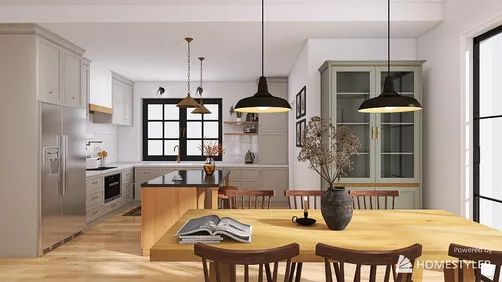



Over the years, I’ve crafted numerous dining benches, and the most successful designs effectively address three key factors: posture, flow, and proportion. The ideal bench allows guests to sit comfortably for 60 to 90 minutes, fits tidily under the table to facilitate movement, and serves as a visual anchor in the room without dominating the space. Tools like Homestyler can assist in visualizing how your bench integrates with the overall layout.
Ensuring comfort is not merely a subjective process. According to WELL v2 standards, dining surfaces ideally align with seat heights of 17 to 19 inches to promote neutral hip angles while offering adequate knee clearance beneath the table (source: WELL v2 ergonomic features). Additionally, the IES recommends maintaining ambient light levels between 150 and 300 lux to allow diners to see their plates without glare—this is crucial when choosing materials and finish sheens near overhead lighting. Adhering to these measurements can make your DIY bench look professionally made right from the start.
Design Intent: Effortless Proportions
For a standard dining table height of 29 to 30 inches, an 18-inch bench seat height strikes the perfect ergonomic balance for most adults. I recommend a seat depth of 14 to 16 inches for backless benches and 16 to 18 inches with a backrest. These measurements successfully combine thigh support with easy access. Bench length should cater to your seating needs, aiming for 22 to 24 inches per person with light padding, or 24 to 26 inches if adding a back and cushion. A 3 to 6-inch overhang at the ends prevents stubbed shins and lightens the visual mass.
Materials and Structure: Build Once, Enjoy Forever
Choosing solid hardwoods like white oak, ash, maple, and walnut ensures your bench will be resilient, easy to maintain, and will develop character over time. For a more budget-friendly painted option, poplar or soft maple remains stable and cost-effective. Engineered materials such as furniture-grade plywood with hardwood edges are suitable for resisting seasonal expansion. Prioritize low-VOC finishes for indoor air quality, and select durable woods that require fewer replacements for a greener option in the long run.
Joinery Techniques and Durability: Combining DIY and Heirloom Quality
I typically employ one of three dependable joinery techniques: (1) apron with mortise and tenon joints into legs; (2) a trestle design featuring a central stretcher and through-tenons; or (3) steel C-channel or flat bars beneath the seat to discourage cupping on wider slabs. For benches measuring 60 to 72 inches, utilizing a center stretcher significantly enhances racking resistance. If designing a bench over 72 inches, include additional support or upgrade to thicker 8/4 stock for the seat. Ensure the base is slightly inset from the seat edge to allow for toe clearance and create a lighter appearance.
Dimensions Guide (Backless Bench)
- Seat height: 18 inches
- Seat depth: 14 to 16 inches
- Length: 48 to 72 inches (24 inches per person)
- Leg inset: 2 to 3 inches from the seat edges
- Apron thickness: 3/4 to 1 inch; apron height: 3 to 4 inches
- Stretcher: 1 to 1.25 inches thick, positioned 6 to 8 inches above the floor
Dimensions Guide (Bench with Backrest)
- Seat height: 18 inches
- Seat depth: 16 to 18 inches
- Back height from the seat: 14 to 16 inches
- Back angle: 10 to 12 degrees recline for added comfort
- Foam density: 1.8 to 2.5 lb/ft³ for seat; softer for back if upholstered
Finish and Tactility: A Blend of Light and Color
Color notably influences dining atmospheres. Warm, mid-tone woods and muted greens foster longer, more relaxed meals, while high-gloss and contrasting surfaces may seem formal or distracting. Environmentally, under 2700 to 3000K pendant lighting, matte to satin finishes help eliminate glare on the seat—this is essential as IES guidelines indicate dining areas perform optimally in low-glare environments with around 150 to 300 lux. Opt for satin finishes (20 to 35 gloss units) to maintain cleanliness without creating hotspots in photos or natural light.
Acoustic Comfort: Softening the Ambiance
Benches can increase seating density, potentially raising ambient noise levels. Incorporate a soft seat pad, felt leg pads, and consider utilizing a low-pile rug with an underlay to absorb mid-to-high frequency sounds. Managing hard parallel surfaces ensures conversation flows easily during family meals or longer gatherings.
Layout and Clearance: Harmonizing Space and Movement
To ensure smooth passage, target a minimum aisle width of 36 inches behind the bench; a comfortable 42 inches if it’s a primary thoroughfare. When not in use, the bench should fit seamlessly under the table without clashing with base pedestals or corner legs—this is where quick layout visualizations like Homestyler prove invaluable. Utilize an interior layout planner to simulate leg placements, chair combinations, and traffic patterns before embarking on any cutting.
Step-by-Step Building Guide
- Break down the lumber, joint, and plane it to final thickness (1 to 1.25 inches for the seat; 1.5 to 2 inches for legs).
- Assemble the seat panel if necessary, aligning the grain for both aesthetics and stability.
- Cut aprons and stretcher to specifications; pre-sand inner faces to 150 grit.
- Create mortises in the legs; tenon aprons for a secure, glue-line fit.
- For trestle-style builds, cut through-mortises for the stretcher and dry-fit everything to check for stability.
- If spanning 60 inches or more, install a concealed steel flat bar under a wide seat for reinforcement.
- Glue and square the subassemblies; ensure both diagonals are correct.
- Attach the seat using figure-8 fasteners or extended screw slots, allowing for seasonal movement.
- Round all edges to a 1/16 to 1/8 inch radius for comfort.
- Sand to 180 to 220 grit; raise the grain for waterborne finishes and resand accordingly.
- Apply stain or dye if desired, sealing with two to three coats of a waterborne polyurethane or hardwax oil.
- Cut high-density foam to size; wrap with batting for softer edges.
- Stretch robust fabric across a 1/4 inch plywood substrate, stapling it neatly underneath.
- Secure the upholstered pad from below using threaded inserts for ease of maintenance.
Style Inspiration: Modern, Farmhouse, and Japandi
- Modern: Sharp shoulders, inset steel stretcher, low-profile edge chamfer, and a neutral satin finish.
- Farmhouse: Bulky legs, softened edges, visible joints on tenons, and a warm stain on ash or oak.
- Japandi: Slim legs with gentle curves, natural oil finish, calming neutral fabrics, and a seamless grain seat.
Safety and Longevity
Establish anti-tip measures by ensuring the leg spread is between 55 and 65% of the seat depth and include felt pads to prevent slipping. Avoid rigid finishes near heat sources, and let waterborne coatings cure completely (typically 5 to 7 days for optimal hardness) before frequent use. For children’s safety, round corners and consider a softer edge profile to minimize the risk of knee injuries.
Cost and Time Assessment
For a 60-inch hardwood bench, anticipate a build time of 6 to 10 hours, excluding the finishing process. Material costs will vary, ranging from $120 to $220 for poplar or soft maple painted designs, and $260 to $550 for hardwoods like white oak or walnut; consider an additional $30 to $80 for hardware and finishes. While coordinating a bench and chairs together, maintain visual balance—introducing only one heavy element at a time.
Substantiate It With Comfort Research
Design elements at the dining table are significant. Guidance from WELL v2 emphasizes the importance of seat height in maintaining a neutral position for hips and knees, which corresponds with my practical tests for comfort during extended meals. Furthermore, Gensler’s studies link posture, quality of lighting, and social dynamics to time spent on tasks and perceived comfort—principles that readily apply to residential dining settings where conversation, focus, and prolonged engagement improve with controlled glare and properly proportioned seating (refer to research summaries at gensler.com/research).
FAQ
Q1. What’s the recommended bench height for standard dining tables?
A1. Aim for a seat height of 18 inches for a table height of 29 to 30 inches. This keeps hips in a neutral position and aligns well with common table clearance recommendations from WELL v2 ergonomics.
Q2. What’s the ideal depth for a dining bench?
A2. For backless designs, aim for 14 to 16 inches to ensure knee clearance. If your bench includes a backrest, a depth of 16 to 18 inches provides adequate support without causing discomfort.
Q3. How many individuals can comfortably sit on a 60-inch bench?
A3. Generally, 2 to 3 adults can fit comfortably. Plan for 22 to 24 inches per person; add some extra inches if thick cushions are also used.
Q4. Which wood types offer a good balance of cost and durability?
A4. For clear finishes, consider options like white oak, ash, or maple. For painted builds, opt for poplar or soft maple to optimize cost without sacrificing stability. Engineered cores with hardwood edges function well for longer benches.
Q5. Is a center stretcher necessary?
A5. For benches measuring 60 inches or longer, yes—it helps to reduce racking, mitigate deflection, and prolong the life of the joinery. For spans over 72 inches, consider a hidden steel flat bar or a third support.
Q6. Which finish minimizes glare under pendant lights?
A6. Satin finishes, around 20 to 35 gloss units, effectively diminish glare and align with IES suggestions for low-glare dining settings at 150 to 300 lux.
Q7. What’s the required clearance behind the bench?
A7. Maintain at least 36 inches for convenient passage; 42 inches is recommended for pathways that are used frequently. This can help prevent knee bumps and avoid collisions when mixing chairs and seating arrangements.
Q8. Can upholstery be added without making the bench appear bulky?
A8. Utilize 1 to 1.5-inch high-density foam with soft edges, combine with tightly woven fabric, and use a thin plywood base. Position the padding so that it is inset from the seat edge by 1/4 inch for a polished aesthetic.
Q9. How can I minimize wood movement that leads to joint cracking?
A9. Secure the seat with figure-8 fasteners or create slots in the screw holes of the aprons. Avoid gluing surfaces that are aligned cross-grain, and leave a gap of 1/8 to 3/16 inch for seasonal adjustments where suitable.
Q10. What’s the best technique to visualize the layout before building?
A10. Use an interior layout planner to test your bench length, leg positioning, and traffic density while considering your table’s dimensions with a quick layout tool before making any cuts.
Q11. How can color selections influence the mood during meals?
A11. Warm woods, gentle greens, and muted earth tones can evoke calmness and encourage lingering. Insights from Verywell Mind highlight that warmer tones tend to create a welcoming atmosphere, while stark contrast can convey formality.
Q12. Any suggestions for keeping the bench stable on carpets?
A12. Implement wide felt pads or rubberized glides, and ensure that leg spreads equate to 55 to 65% of the seat depth. For extra stability, consider adding a concealed cross-brace beneath the seat.
What began as an Autodesk innovation has evolved into a design platform used by more than 20+ million registered users (platform data, 2026) around the globe. Homestyler combines powerful rendering, an intuitive editor, and a vast furniture library to help you turn inspiration into photorealistic designs — whether you're redesigning a single room or planning an entire home.

Mid Century Modern Solid Wood Rattan Dining Armchair 3D Model
Bar Stools, Swivel Counter Height Barstools with

Modern Brown Leather Upholstered Armchair with Metal Legs 3D Model
Looking to transform your space effortlessly? Homestyler is your go-to online home design platform! With its user-friendly design tool, stunning 3D renderings, inspiring design projects, and helpful video tutorials, creating your dream home has never been easier. Dive in and start designing today!
Design Now for FREE