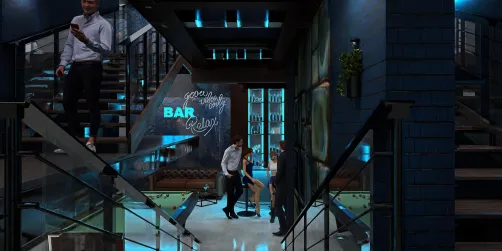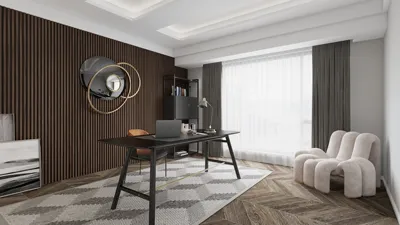



Creating an inviting and functional convention hall is essential for successful events. Whether your event is a minor workshop or a significant exhibition, these strategies can help you design the perfect space.
Assessing Space Needs
The initial stage of designing a convention hall is to assess the space needs. This involves analyzing the anticipated number of participants and the kinds of events scheduled to take place.
It's vital to ensure that the venue can comfortably fit the anticipated number of guests. A typical guideline is to reserve at least 10 square meters per individual for seated events and 5 square meters for standing gatherings.
Design the hall for adaptable arrangements. Utilizing movable partitions allows the creation of smaller areas for breakout sessions while accommodating larger crowds when necessary.
Illumination and Sound Management
Effective lighting and acoustics are crucial elements for any convention hall, as they can greatly affect the ambiance and overall attendee experience.
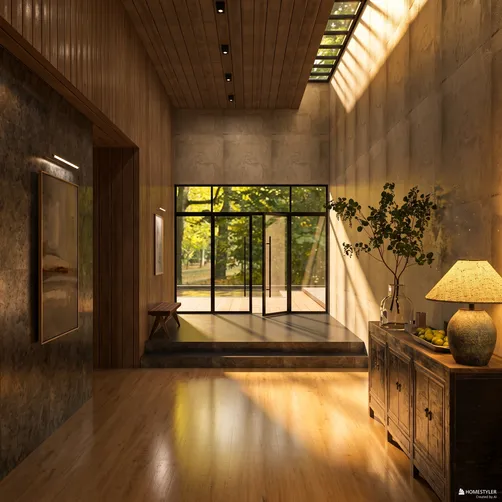
Integrating expansive windows or skylights can introduce natural light into the space, fostering a welcoming atmosphere. Nevertheless, it’s important to provide means to minimize glare and manage brightness during presentations.
Incorporate acoustic treatments to enhance sound quality, especially in larger venues where sound may reverberate, hindering attendees from clearly hearing the speakers.
Integrating Smart Technology
Including technology in your convention hall design can significantly improve its functionality and the overall experience for attendees.
Ensure that the design accommodates built-in audio-visual facilities, such as projectors, screens, and sound systems to support presentations and entertainment needs.
Guarantee strong Wi-Fi connectivity throughout the hall. This capability is essential for events that require internet access for information gathering or social media interactions.
Accessibility and Security
It is important to design the convention hall to be accessible for all individuals, including those with disabilities.
Incorporate ramps and elevators, ensuring that the seating layout is wheelchair accessible. All entry points should be friendly for wheelchair users.
Clearly indicate emergency exits and make sure they are easy to reach. Regular safety drills should be conducted to ensure staff and attendees know the protocols.
Final Thoughts
Adhering to these design principles for convention halls will help you create a multifunctional environment that accommodates various events while prioritizing the comfort and safety of all participants.
Common Questions
Q: What is the optimal size for a convention hall? A: The best size is determined by the expected number of participants. Typically, aim for approximately 10 square meters per person for seated events.
Q: Why is lighting so crucial in a convention hall? A: It plays a significant role! Proper lighting not only enhances the ambiance but also ensures visibility during presentations.
What began as an Autodesk innovation has evolved into a design platform used by more than 20+ million registered users (platform data, 2026) around the globe. Homestyler combines powerful rendering, an intuitive editor, and a vast furniture library to help you turn inspiration into photorealistic designs — whether you're redesigning a single room or planning an entire home.
Consider utilizing the No. 1 Home Office Design Software, Homestyler, for innovative design solutions.
Progetta ora GRATIS