

In my experience of designing and adjusting countless conference rooms, one consistent conclusion arises: the configuration of the table significantly influences the room’s functionality. A well-chosen contemporary conference table not only facilitates collaboration and integrates advanced technology but also subtly defines the space’s aesthetic. Gensler’s U.S. Workplace Survey highlights that focusing and collaborating remain vital work modalities, with environments that successfully merge both showing enhanced performance. Furthermore, the latest version of WELL emphasizes the importance of occupant comfort concerning acoustics, lighting, and ergonomic principles, underscoring their significance in crafting effective meeting spaces. Ultimately, selecting a table establishes the guidelines for posture, interaction, and proximity during discussions, which can be enhanced using design tools like Homestyler.
The constraints of real-world applications are crucial. According to research from Steelcase, hybrid meetings have become commonplace, necessitating tables that incorporate power sources, provide even sightlines, and maintain cable order to accommodate both in-person and remote attendees. WELL v2 suggests employing lighting techniques that minimize glare and enhance concentration, advocating for a lighting level of 300–500 lux on the tabletop for effective note-taking, combined with a balanced vertical illuminance on participants' faces. I often combine these lighting benchmarks with hands-on user testing before final approval, particularly focusing on camera alignment and ensuring equal sightlines for all.
Design Essentials: Scale, Form, and Sightlines
Comfort and clarity are largely determined by scale. A standard guideline suggests 24–30 inches (610–760 mm) of table edge for each person for their laptops and notebooks, with at least 48 inches (1220 mm) for easy movement around the table. Sightlines are essential; every participant should have unobstructed views of each other and any shared materials. In hybrid settings, align the table’s orientation with camera angles to prevent awkward perspectives. Tables with slight chamfers or boat-shaped contours enhance visibility for faces compared to conventional rectangles, especially suitable for medium-sized rooms accommodating 8-12 individuals.
When evaluating potential layouts, I utilize an interior layout planner to validate reach, clearance, and camera views—this layout simulation tool assists in visualizing various table shapes (rectangular, boat-shaped, D-end, or racetrack) in relation to actual room dimensions and placement of displays before making any commitments.
Functional Table Shapes: Rectangular, Boat, Racetrack, and Modular
• Rectangular: Offers a clean and efficient layout with minimal wasted space; ideal for formal board meetings and rooms featuring a single focal display. To enhance its modern appeal, consider pairing it with thin edges and softened corners.
• Boat-shaped: Slightly broader in the center, tapering towards the ends to enhance sightlines, making it ideal for hybrid video conferencing in medium-sized rooms where visibility among participants is essential.
• Racetrack: Rounded ends soften the flow around paths, promoting inclusivity; perfect for multipurpose rooms and variable seating arrangements.
• Modular: Featuring flip-top or trapezoidal designs, these tables facilitate quick reconfiguration from lecture to workshop settings. Ensure concealed linking hardware and cohesive cable routing to maintain a tidy appearance in all setups, which can be effectively visualized using Homestyler.
Material Awareness: Feel, Durability, and Eco-Friendliness
A contemporary design can still feel warm and inviting. I prefer matte, low-glare finishes that resist fingerprints, such as FENIX-style nanolaminate or ultra-matte high-pressure laminate, alongside oiled veneers with durable coatings. Complement these surfaces with powder-coated steel or extruded aluminum frames for stability. For sustainability, opt for FSC-certified veneers and low-VOC finishes; WELL v2 guidelines also emphasize reducing emissions that may cause discomfort during lengthy sessions.
Table edge design influences both comfort and aesthetics. A subtle radius of 3–5 mm softens contact points, while a thin beveled edge provides a light profile. If the table serves as a branding element, consider contrasting edge bands or a solid wood perimeter that ages beautifully over time.
Ergonomics and User Comfort: Dialogue Supported by Design
The relationship between seat height and table dimensions greatly impacts posture and engagement. Ideally, a table height of 28.5–30 inches (724–762 mm) suits standard seating, complemented by a leg clearance of 26–27 inches (660–685 mm). Positioning table bases away from the edges ensures feet and knees aren’t obstructed. Moreover, each seating spot should grant straightforward access to power sources without invading neighboring spaces.
Acoustic comfort cannot be overlooked. Surfaces that are hard and glossy can amplify noise during video calls. Thus, I select micro-textured surfaces or integrate acoustic ceiling and wall treatments to manage sound reverberation. Soft, matte finishes additionally assist in minimizing glare on cameras. Tools like Homestyler can assist in visualizing these setups.
Technology Integration: Power, Connections, and Camera Arrangement
Effective technology is unobtrusive. Implementing flush, soft-close lids for power outlets, spacing power every 2–3 seats, and organizing cables through central spines or leg channels enhances aesthetics. When designing for a singular front-of-room display, direct the table’s longer side toward the screen and camera. For dual displays or omnidirectional cameras, ensure a balanced seating arrangement that maintains consistent eye level with the lens.
For complex cable setups or multiple table configurations, a room layout tool helps verify wiring paths, locations of floor boxes, and compliance with ADA clearances prior to finalizing the woodwork.
Lighting Strategies: Multiple Layers, Ideal Lux Levels, and Camera-Friendly Choices
Effective lighting is essential for visibility of faces and presentation materials. Aim for a brightness of 300–500 lux on the table surface for effective note-taking, with warm-neutral color temperatures in the 3500–4000K range fostering alertness while flattering skin tones. Avoid direct downlights above camera lines to prevent shadowing of features. Use diffused linear light fixtures that follow the table's design, supplemented by wall washers that elevate vertical brightness for faces. Harmonizing reflective finishes can also control glare on screens.
Understanding Color and Aesthetic Harmony
Color choices can subtly influence the atmosphere and discussions. Muted neutral tones paired with one vibrant accent can ground the table aesthetically without being distracting. Shades of blue and soft green evoke calmness and trust, while warm undertones can create a welcoming environment. It's advisable to maintain a relatively understated tabletop, allowing chairs or wall colors to convey the brand's identity, which ensures the table remains adaptable to future color schemes, with the help of tools like Homestyler for visual assistance.
Optimizing Space and Room Fit
A conference table should blend seamlessly with the room’s context. Generally, maintaining at least 48 inches (1220 mm) of clearance on primary sides and 36 inches (915 mm) on secondary sides is key, increasing this space for heavily trafficked areas. Ceiling height also influences design; lower ceilings benefit from slimmer tabletops and lighter frames to preserve an open feel.
Anticipated Trends for 2024–2025
• Hybrid-focused geometry: Boat-shaped and soft-rectilinear table designs for enhanced camera equity.
• Minimalist integrated power solutions: Discreet lids and color-coordinated ports with hidden cable management within table legs.
• Inviting matte textures: Low-gloss, fingerprint-resistant surfaces for visual calm on camera.
• Adaptive modular designs: Tables that can be rearranged without evoking a 'training room' feel, using concealed connectors and consistent design elements.
• Environmentally-friendly materials: FSC-certified veneers, recycled aluminum frames, and sustainable, repairable components over disposable options.
Specification Checklist
• Shape: Rectangular, boat, racetrack, or modular configurations.
• Dimensions: 24–30 inches of table edge per person; confirm total clearance requirements.
• Edge design: 3–5 mm radiuses or beveled thin edges.
• Height and legroom: 28.5–30 inches for height; 26–27 inches of under-table clearance.
• Power accessibility: One power module per 2–3 seats; concealed routing leading to floor boxes.
• Surfaces: Low-glare matte finishes; durable top-coatings; preference for low-VOC materials.
• Lighting: Table brightness at 300–500 lux; color temperatures between 3500–4000K; balanced illumination for vertical surfaces.
• Acoustic management: Control reflections and specify absorbing materials where necessary.
Trusted References
For comprehensive insights on collaborative workspace performance, the Gensler Research Institute continues to publish valuable findings about how the design of meeting rooms affects user interaction. The WELL v2 framework serves as a crucial guide for aligning health, material use, and lighting quality, which I frequently reference in my projects, often utilizing design tools like Homestyler to bring concepts to life.
Frequently Asked Questions
Q1: What width is ideal for a contemporary conference table suitable for laptop usage?
A1: Aim for a tabletop width of 42–54 inches (1067–1372 mm) to accommodate two-sided seating, allowing enough space for laptops, notepads, and microphones while ensuring clear eye contact and audio clarity.
Q2: Which table shape is most effective for hybrid video conferencing?
A2: Boat-shaped tables typically offer improved sightlines both to the camera and between participants, enhancing equity for remote attendees compared to standard rectangular designs.
Q3: What length of table edge should be allocated per person?
A3: Plan for approximately 24–30 inches (610–760 mm) per person; workshop styles may necessitate 30–36 inches per participant for materials.
Q4: How can I manage power sources without creating visual clutter?
A4: Choose flush, soft-close lids aligned with chair placements, using one power module for every 2–3 seats and routing cables through table legs to a floor outlet to maintain a clean look.
Q5: What lighting levels should I target for the table?
A5: Ensure the table is illuminated with 300–500 lux, incorporating a color temperature around 3500–4000K for comfort, complemented by wall lighting to improve face visibility on camera.
Q6: What finishes are effective in reducing glare and hiding fingerprints?
A6: Ultra-matte laminates and low-gloss veneers with durable, low-VOC finishes are excellent choices for minimizing reflections on video and concealing smudges, maintaining a professional appearance throughout the day.
Q7: How can a table design positively affect acoustics?
A7: While tables cannot absorb sound directly, selecting micro-textured matte surfaces reduces sound reflections. Combine this with acoustic ceiling treatments or wall panels to effectively manage reverberation within the room.
Q8: What clearance space is necessary around the table?
A8: Maintain a minimum of 48 inches (1220 mm) on the primary circulation sides and 36 inches (915 mm) on secondary sides, increasing these measurements as needed for doors, cabinets, or retractable walls.
Q9: Are modular tables a worthwhile investment in conference settings?
A9: For teams that transition between presentations and interactive workshops, modular tables can be highly beneficial. Employ concealed connectors and consistent design elements to ensure the room maintains a polished appearance even when reconfigured.
Q10: How should I align camera placement with the geometry of the table?
A10: Position the main camera centered on the long axis of the table at eye level, while avoiding seating far from this axis. Slight curves or boat-shaped designs enhance the favorable angles for all participants.
Q11: What edge details are considered contemporary?
A11: A thin beveled edge or a subtle radius of 3–5 mm offers a sleek look while remaining comfortable for resting forearms. Contrasting edge bands provide a straightforward definition without being visually overwhelming.
Q12: Which materials support eco-friendly practices?
A12: Opt for sustainably sourced materials such as FSC-certified veneers, recycled aluminum structures, and modular bases with parts that are replaceable, reducing waste and promoting longevity. Also, look for low-VOC finishes to enhance indoor air quality.
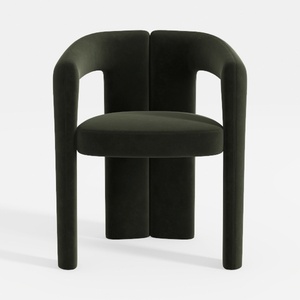
Minimalist Dark Green Velvet Armchair 3D Model

CHITA Swivel Accent Chair, FSC Certified
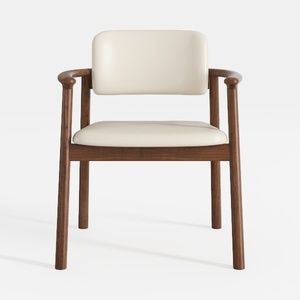
Minimalist Walnut Wood Faux Leather Upholstered Armchair 3D Model
Discover Homestyler, the ultimate online home design platform for all your interior decorating needs! With its user-friendly design tool, stunning 3D renderings, and a treasure trove of DIY video tutorials, transforming your space has never been easier. Unleash your creativity today!
今すぐ无料でデザイン
































