


Having designed and revamped numerous multipurpose halls throughout South Asia and the Middle East, I understand that a Chandni function hall embodies a particular essence—celebratory, versatile, and camera-ready. The objective remains consistent: create an environment that radiates elegance for weddings, conveys professionalism for corporate events, and allows for seamless transitions between functions. Optimal results emerge from skillful coordination of lighting layers, acoustics, traffic flow, and high-quality materials that enhance rather than clash with the decor, which can be effectively visualized using a resource like Homestyler.
In making design choices, I adhere to two fundamental principles. Firstly, the comfort and alignment of seating are indispensable; research by Herman Miller indicates a direct correlation between ergonomic support and increased alertness, as well as diminished fatigue during extended periods, leading to enhanced comfort for guests at both ceremonies and conferences (source: Herman Miller Research). Secondly, the quality of lighting is crucial; the Illuminating Engineering Society suggests optimal illumination levels between 200–300 lux for banquets and 300–500 lux for conferences, emphasizing effective glare control to ensure flattering facial illumination and sharp photographs (source: IES standards). Furthermore, the WELL v2 guidelines advocate for adjustable lighting solutions that mitigate glare and promote circadian health (source: WELL v2).
Establishing Spatial Dynamics: Versatile Zoning for Continuous Use
Envision the hall as composed of three distinct layers: a welcoming area for guests, a flexible central space for ceremonies and dining, and a designated area for catering and audiovisual needs. I prioritize creating unobstructed circulation pathways that keep staff out of sight and guests comfortable. In banquet setups, a table-to-aisle ratio of approximately 1:1.5 to 1:2 preserves sightlines to the stage, while also allowing unobtrusive service. When determining seating arrangements or dance floor sizes, I depend on layout design tools that facilitate pre-visualization of table arrangements, buffet placements, and safe exits before executing the plan on-site: using Homestyler enhances this process.
Stunning Lighting Configurations for Captivating Photography
Begin with consistent ambient lighting set to 200–250 lux for receptions and 300 lux during speeches, using dimmable LED fixtures that maintain a UGR ≤ 19 for reduced glare. Incorporate a perimeter wash to illuminate walls and drapery, enhancing the space's perceived size while ensuring faces remain well-lit without overwhelming the center area. For stages, position key lights at 3000–3500K at a 45° angle alongside a backlight to create depth; photographers will appreciate the resulting images. Employ tunable white lighting (2700–5000K) to transition from warm, ceremonial tones to cooler, more focused lighting suitable for conferences. Maintaining a CRI ≥ 90 is essential for accurately rendering colors—particularly the golds, marigolds, and jewel tones often found in Chandni decor.
The Impact of Color Psychology: Achieving Elegance without Clutter
To accommodate various themes, I choose a neutral and timeless palette for the hall’s base—such as bone, warm gray, or soft latte—and introduce striking elements through adaptable textiles, floral designs, and lighting. According to Verywell Mind’s color psychology, warm tones can boost energy levels, while cooler shades promote tranquility; I typically limit intense colors to accent features and lighting effects to prevent overwhelming sensory experiences. Metallic finishes like champagne and brushed brass introduce a celebratory shimmer without clashing with the chosen color schemes.
Acoustics for Harmonious Music, Vows, and Speeches
Many ballrooms face the issue of excessive echo, known as the 'marble echo'. I ensure a well-balanced reverberation time of 0.7–1.0 seconds when unoccupied to guarantee sound clarity during speeches. This is achieved through strategic acoustic absorption on ceilings using acoustic clouds or micro-perforated panels, coupled with diffusive wall panels that can double as artwork. Under-table acoustic insulation and fabric-covered operable partitions help soften the sounds of utensils and conversation. For live music events, isolating subwoofers with decoupling pads while planning cable runs within designated service areas helps avoid potential safety hazards.
Stage Design: Creating a Visually Engaging Centerpiece
The stage should serve as the focal point of the room while also being adaptable. I prefer modular riser systems that allow for adjustments in heights from 200–300 mm, integrated with cable raceways for neatness. A height-to-depth ratio of 1:6 typically ensures good visibility without necessitating large screens for smaller gatherings. If the venue regularly accommodates grand weddings, I prepare for side screens and a central LED backdrop; black velvet drapes and borders mitigate light spillage and enhance color vibrancy.
Furniture and Ergonomics: Sustaining Comfort for Extended Events
For banquet chairs, I prioritize a height range of 460–480 mm, a back angle of 8–10°, and a foam density of 45–55 kg/m³ to maintain comfort during lengthy ceremonies and meals. Round tables measuring 1520–1830 mm are typically arranged to seat 8–10 people; I ensure 1.5 m service pathways along primary aisles. Head tables need a minimum depth of 1 m to accommodate place settings, centerpieces, and microphone bases. For conferences, I recommend flip-top tables equipped with cable management features and grommets for tidy audiovisual presentations.
Choosing Materials: Long-lasting and Aesthetically Pleasing
The luxury of durability often goes unnoticed. I specify upholstery that is solution-dyed and finished to resist stains, allowing it to withstand the inevitable spills of bright-colored foods and cosmetics. Floor options include patterned Axminster or high-density carpet tiles installed in dining areas for sound absorption, complemented by sturdy terrazzo or LVT in high-traffic entry zones. Wall treatments combine wipeable paints with paneling; reflective surfaces are used sparingly to amplify light without creating glare in photographs.
Ceilings and Chandeliers: Adding Vertical Drama with Precision
Chandeliers serve as a signature element. I favor tiered designs featuring dimmable, high-CRI LEDs and low-flicker drivers to prevent visual distractions during video recordings. They are complemented with linear coves and focused lighting; this careful arrangement ensures the room retains vitality even when the chandeliers are dimmed for dancing. I also ensure accessible winches or service catwalks are available for quick maintenance, floral adjustments, and projector installations.
Back-End Operations and Efficient Turnover
A Chandni hall’s success hinges on its ability to swiftly adapt between events. I recommend a staging area that occupies at least 10–15% of the main floor space, designated for decor setup, storage boxes, and linen carts. Double-swing service entrances and dedicated vendor access routes maintain a pristine environment for guests. Installing hose bibs and floor drains near the stage facilitates the upkeep of fresh floral arrangements, while stainless kick plates protect wall bases during late-night resets.
Wayfinding, Entrances, and Efficient Guest Movement
The arrival experience should exude a sense of occasion. Framing the drop-off area with soft landscape lighting, visually appealing backdrops, and protection from the elements ensures a warm welcome for arriving guests. Inside, effective signage and open sightlines alleviate congestion. A designated area for greetings and gift receptions, alongside cloakroom services, ensures a smooth flow for attendees, avoiding unnecessary detours. Restroom facilities should be located within 30–45 meters of the main hall, separated by sound-insulating lobbies to minimize noise interference.
Technological Integration and Audiovisual Readiness
It's vital to prewire the venue extensively: distribute power at column bases, set up DMX controls for lighting, and establish tie-lines from the stage to the front of house. A kit ready for hybrid events—equipped with PTZ cameras, ceiling microphones, and network connections—expands the hall’s offerings for corporate events. Simple touch panel controls with secure advanced settings enable staff to operate the system without requiring expert knowledge of lighting design.
Sustainable Practices That Also Cut Costs
Implementing LED fixtures throughout, along with occupancy sensors in support areas, is crucial for promoting sustainability and cost-efficiency. Water-saving restroom fixtures and low-VOC finishes contribute to a healthier environment. Utilizing reusable drapery and flexible floral designs minimizes waste during events. Whenever feasible, I advocate for FSC-certified woodwork and locally sourced stone or terrazzo to lessen transport emissions.
Effective Floor Layouts That Are Truly Functional
When planning layouts for various guest counts—such as a wedding banquet for 220–280 attendees: arrange 1.52 m round tables in a chevron alignment to create aisle drama, with a centrally located 6 m by 8 m dance floor and two buffets placed strategically to avoid congestion within visible areas. For a corporate gala expecting 300–360 guests, opt for 1.83 m round tables, a stage projection for panel discussions, and dual screens positioned 16:9 with front-row seating placed 2x screen height away for optimal viewing comfort. For cocktail events accommodating 400–500 standing guests: distribute highboy tables along the perimeter, anchored by soft lounge areas, ensuring a clear 2.0 m path to bars and restrooms. To confirm counts and spatial relationships in advance, using an interior layout planner like Homestyler proves beneficial.
Use varied heights for candles or LED tapers, and ensure centerpiece diameters are under 300 mm to maintain clear sightlines. Conceal cable runs with carpet runners aligned in the aisle. For signature occasions—such as jaimala, cake-cutting, or awards—position a neutral backdrop (linen or micro-velvet) in advance to facilitate floral arrangements without creating visual distortions on camera.
Design Essentials Checklist
- Ambient: Target 200–300 lux, CRI ≥ 90, utilize tunable white for mood adjustments
- Acoustics: Aim for balanced reverberation time of 0.7–1.0 seconds, install cloud panels, and prefer softer flooring where applicable
- Seating: 460–480 mm seat height, supportive foam, and ample aisle space are key
- Stage Design: Use modular risers, 45° lighting, and prewired side screens
- Back-of-House: Designate a staging area that spans 10–15% of the overall venue, ensure vendor pathways, and incorporate drains for floral maintenance
- Technology: Ensure DMX, AV tie-lines, and readiness for hybrid streaming capabilities are in place
- Material Choices: Opt for stain-resistant, wipeable surfaces and low-VOC finishes
- Flexible Decor: Choose a neutral base, easily swappable textiles, and adjustable chandeliers for diverse themes
FAQs
Q1: What lighting levels should I target for a Chandni hall?
A1: Aim for 200–250 lux for receptions and between 300–500 lux for speeches or conferences while ensuring a CRI ≥ 90 and low glare. These guidelines align with IES recommendations for banquet and meeting environments.
Q2: How can I maintain clarity during speeches without disrupting the festive atmosphere?
A2: Achieve a balance by combining absorptive materials (like ceiling clouds and fabric panels) with diffusive techniques. Employ cardioid microphones and distributed speakers at lower engagement levels. Maintain a reverberation time near 0.7–1.0 seconds to ensure adequate speech clarity while preserving the warmth of background music.
Q3: What specifications for chairs enhance guest comfort during lengthy events?
A3: A seat height of 460–480 mm, a modest back angle of 8–10°, a foam density ranging from 45–55 kg/m³, and a waterfall edge contribute to ergonomic comfort, minimizing fatigue during prolonged programs.
Q4: Which finishes are effective at resisting stains from vibrant cuisine and cosmetics?
A4: Select solution-dyed fabrics, performance vinyls with easily cleanable coatings, and wipeable paint with high scrub ratings. Patterned carpet tiles or Axminster can also help mask spills effectively.
Q5: What are the recommended dimensions for the dance floor?
A5: A general guideline suggests a dance floor size accommodating 30–40% of attending guests. For 300 guests, a floor size of approximately 7 x 9 m serves as a versatile baseline; alterations should be made based on music style and event program.
Q6: How can I ensure the hall remains adaptable for various themes?
A6: Maintain a neutral architectural base while utilizing adjustable lighting, textiles, and floral arrangements to introduce vibrant accents. Apply warm white lights (2700–3000K) for ceremonies and cooler tones (3500–4000K) for daytime corporate events to enhance clarity.
Q7: What strategies can accelerate transitions between events?
A7: Create a dedicated staging space (10–15% of the hall’s footprint), leverage modular risers, implement quick-connect lighting presets, and maintain separate vendor access routes. Utilize labeled trolleys for standard drape packages to streamline swaps.
Q8: What audiovisual infrastructure optimizes the venue for future events?
A8: Ensure the setup includes DMX capabilities for lighting, tie-lines leading from the stage to the front of house, ample power distribution, robust network installations, and ceiling arrays or PTZ cameras for hybrid functions. Centralized control with user-friendly settings will empower staff during events.
Q9: How can chandeliers be both visually striking and functional?
A9: Opt for dimmable, high-CRI LED chandeliers equipped with low-flicker drivers to minimize distractions in visual media. Layer these with coves and spot lighting to maintain a dynamic atmosphere when chandeliers are dimmed for dance segments.
Q10: What layout works well for entertaining 250 guests?
A10: Arrange 1.52 m rounds for groups of ten in a chevron formation featuring a central aisle leading to the stage, maintaining 1.5 m wide service corridors for main aisles, with buffets positioned in set-back zones for an unobstructed view.
Q11: Do you have any acoustic suggestions for live performances or DJs?
A11: Decouple subwoofers from the flooring, incorporate sound-absorbing backdrops behind the stage, and distribute speakers evenly to prevent sound hotspots. Break up hard, parallel wall surfaces with drapes or diffusers to enhance sound dynamics.
Q12: What sustainability strategies are essential for a function hall?
A12: Transitioning to full LED lighting, incorporating occupancy sensors in service areas, utilizing low-VOC finishes, implementing water-saving fixtures, and developing reusable decor systems are all measures that can significantly reduce operational costs while improving guest experiences.
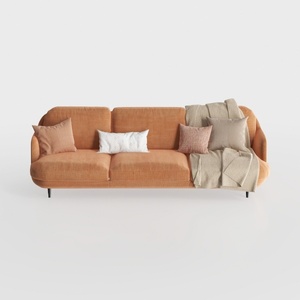

Modern Minimalist Orange Fabric Three Seater Sofa With Throw Pillows 3D Model
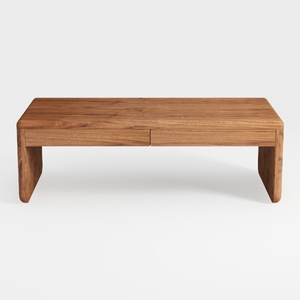
Minimalist Solid Wood Two Drawer Coffee Table 3D Model
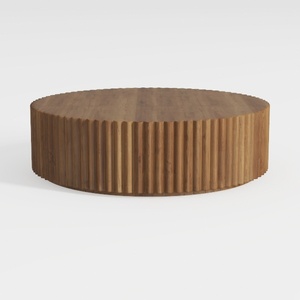
Minimalist Solid Wood Fluted Round Coffee Table 3D Model
Homestyler is your go-to online home design platform! With an easy-to-use design tool, stunning 3D rendering, and a wealth of DIY video tutorials, transforming your space has never been simpler. Start your home design journey today and unleash your creativity!
Zaprojektuj teraz za darmo
































