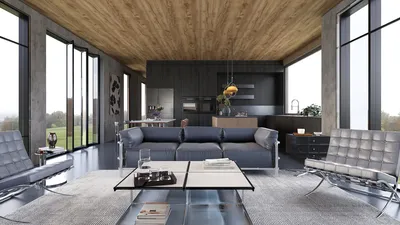


Over the years, I have honed my skills in designing lounges and waiting areas, and the waiting room at Kolkata Airport exemplifies the need for a balance between comfort and efficiency. Travelers seek a serene environment, ergonomic seating, intuitive navigation, and a clear awareness of time before their flight. Achieving this balance requires creating peaceful spaces that still facilitate smooth movement towards departure gates.
Two key insights inform my design principles. Firstly, the ergonomics of seating significantly influence travelers' perceived comfort and their satisfaction with the waiting experience; research from Herman Miller indicates that well-designed seating can alleviate physical discomfort and enhance focus, with lumbar support depth being particularly crucial for posture maintenance. Secondly, the quality of lighting is equally important: the Illuminating Engineering Society (IES) recommends ambient light levels in the 200–300 lux range for waiting areas to minimize eye strain while ensuring visibility without harsh glare; in contrast, task lighting levels of 300–500 lux enhance reading and device usage. In terms of health and wellness, WELL v2 emphasizes the importance of circadian-friendly lighting and well-defined acoustic targets in public spaces. I reference these standards consistently when designing airport waiting rooms. For more information, refer to the resources provided by Herman Miller Research and the WELL v2 framework.
Spatial Harmony and Flow
Movement is essential in an airport setting. I design seating arrangements in clear alignments that parallel circulation paths, ensuring a minimum aisle width of 1800–2000 mm to accommodate luggage and wheelchair access. By creating a visual rhythm with alternating types of seating—like benches, lounge chairs, and high-top stools—I help travelers instinctively know where to stop or continue moving. Areas near flight information displays (FIDs) maintain open sightlines while taller seating is placed at the edges to prevent obstructing navigation.
Ergonomic Design: Seating for Comfort
Seats designed with a height of approximately 430–460 mm cater to the majority of passengers; a slight waterfall edge on the front reduces pressure behind the knees. Armrests are crucial for older guests and those with heavy luggage; I recommend that at least 30–40% of seats should have shared armrests to strike a balance between personal space and seating capacity. The density of the cushioning also plays a role—dual-density foam ensures both immediate comfort and long-lasting support. Maintaining a back angle of 100–105° helps keep travelers alert without slouching, ideal for short to medium waits.
Lighting: Tranquil, Glare-Free, and Circadian-Friendly
My goal is to achieve an ambient light level of 270–300 lux in seating areas, increasing to 350–400 lux around reading spots or charging stations. Warm-neutral color temperatures of around 3000–3500K help reduce visual fatigue while maintaining color accuracy. Indirect uplighting prevents glare on shiny surfaces and device screens. If natural light is available, utilizing solar control films and baffles can mitigate intense lighting contrasts that may frustrate travelers and hinder signage visibility.
Acoustics: Reducing Stress Levels
Airports are naturally noisy environments, but it is possible to achieve acoustic comfort. I balance sound absorption and diffusion through the use of high-NRC wall panels, upholstered seating, and strategically placed ceiling panels. Soft finishes along the perimeter create a calming ambiance, while resilient flooring in circulation areas minimizes noise from foot traffic. Announcements must be clear; employing absorbent materials in seating clusters can mitigate echo while maintaining clear paths to PA speakers.
Color Psychology and Mood Enhancement
The choice of color can significantly influence the perceived duration of waiting. Soft neutrals, such as light greys and warm taupes, create a calming backdrop, while muted teal or forest green accents provide cues for relaxation and orientation. According to research from Verywell Mind on color psychology, cooler tones can modestly lower heart rates and reduce stress, while small warm accents near food areas can energize without overwhelming the seating environment.
Materials: Durable, Easy to Clean, and User-Friendly
In high-traffic airport settings, seating must feature abrasion-resistant materials that can easily manage spills; I prefer using woven performance textiles that are stain-resistant and have low-VOC certifications. Arm caps and side tables made from compact laminate or solid surfaces can withstand impacts from luggage. The addition of wooden elements, like handrails or trim panels, offers warmth to counter the clinical feel of metal and glass.
Power Availability, Charging Options, and Micro-Task Spaces
Access to charging ports has become a standard expectation. I incorporate power rails to provide one outlet for every 2–3 seats, along with several high-top counters equipped with USB-C and standard outlets. Effective cable management beneath benches avoids potential trip hazards. Soft task lighting and privacy screens at counters allow for quick email checks and travel-related paperwork.
Information Design and Navigation
Travel-related anxiety can intensify when information appears unclear or cluttered. Flight information displays should be visible from 20–30 meters, with unobstructed sightlines maintained over seating arrangements. Signage for gates and restrooms should be positioned at eye level to minimize cognitive load. In larger waiting areas, I create small ‘quiet’ alcoves set back from main pathways to accommodate families or those needing privacy.
Behavioral Zoning in the Waiting Room
I categorize the waiting area into three behavioral zones: quick seating (5–10 minutes), standard seating (20–40 minutes), and restorative areas (40+ minutes). Quick seating consists of leaners and stools near the pathways. Standard seating combines armchairs with side tables and charging stations. Restorative corners feature higher backs, acoustic panels, and ideally, views of natural light.
Durability and Maintenance Considerations
Airport furniture can fail if maintenance access isn’t properly planned. I advocate for modular seating configurations that allow for easy replacement of covers and components. Floor plates and anchoring mechanisms must be able to withstand heavy luggage impacts without instability. Choosing finishes that are quick to clean keeps the space looking serene throughout the day.
Design Simulation and Visualization
When assessing seating density or aisle widths, utilizing a room layout tool is invaluable for simulating sight lines, circulation, and overall seating comfort before implementation. I frequently opt for an interior layout planner to verify turning radii and stroller pathways, ensuring the design caters to actual traveler behaviors.
Tip 1: Developing a Seating Cluster Strategy
Interspersing rows of benches with lounge clusters fosters natural micro-privacy and avoids the monotony of long, unbroken seating. Maintain a gap of 900–1200 mm between chair backs to facilitate comfortable luggage handling.
Tip 2: Effective Lighting Layers
Combine indirect ambient lighting, focused task lights at counters, and low-glare additions. Dimmers enable staff to adjust levels according to peak sunlight or late-night service needs.
Tip 3: Acoustic Solutions Without Dulling Activity
Implement a checkerboard pattern of ceiling baffles and upholstered panels to absorb casual conversation while maintaining clarity for important announcements.
Tip 4: Power Availability and Surface Areas
Set up multiple counter-height bars with integrated power and privacy partitions in peripheral areas to reduce congestion in major seating zones.
Tip 5: Inclusive Design Principles
Allocate accessible seating areas with adjacent spaces for wheelchairs and strollers, while ensuring clear pathways to restrooms and elevators using high-contrast signage.
Frequently Asked Questions
Q1: What is the ideal ambient light level for an airport waiting area?
A: Strive for approximately 270–300 lux for ambient lighting, increasing to 350–400 lux in task-oriented spaces. This aligns with IES recommendations for optimal comfort and visual clarity.
Q2: How should seating heights be determined for a variety of travelers?
A: A height range of 430–460 mm is suitable for most adults, with armrests and elevated options included for enhanced mobility support.
Q3: What colors help lower stress in high-traffic environments?
A: Neutral color schemes complemented by cool accents (soft blues and greens) typically reduce perceived stress, while strategically placed warm accents can provide energy near service areas.
Q4: How can acoustics be optimized without compromising announcement clarity?
A: Utilize sound-absorbing materials in seating areas while maintaining controlled diffusion in ceilings to ensure direct lines to PA speakers for clear messaging.
Q5: What is the best strategy for providing charging access?
A: Aim for about one outlet for every 2–3 seats, along with high-top work cabinetry featuring USB-C connectors. Conceal cable management to mitigate tripping risks.
Q6: What is the recommended width for circulation aisles?
A: Keep main aisles between 1800–2000 mm to accommodate luggage and wheelchair movement; secondary aisles can be narrower but should maintain clear lines of sight to FIDs.
Q7: Which materials are best suited for heavy airport usage?
A: Durable performance textiles with stain resistance, compact laminate or solid surfaces for tables, and durable metal frames with replaceable parts are recommended.
Q8: How does behavioral zoning enhance comfort?
A: Designing for quick seating, standard dwell time, and restorative corners caters to different traveler needs, alleviating congestion and allowing guests to select their preferred environment.
Q9: Are darker finishes appropriate for airport seating?
A: Use mid-tone finishes to effectively camouflage wear while ensuring brightness; darker shades can make spaces feel heavy and highlight dust, while excessively light tones may show scuffs.
Q10: What significance does circadian lighting have?
A: Incorporating adjustable white or consistent warm-neutral lighting promotes comfort and minimizes fatigue, in line with WELL v2 recommendations for light and health.
Homestyler is your go-to platform for effortless home design. With its user-friendly online design tool, stunning 3D renderings, and inspiring DIY video tutorials, you can transform any space into your dream home. Start creating today and unleash your inner designer!
Concevez maintenant gratuitement
































