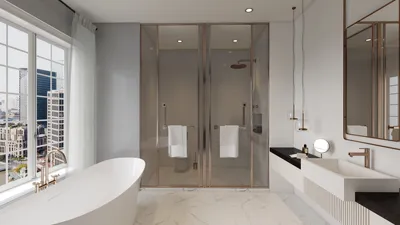


Having designed and consulted for multi-purpose halls across India, the Karnataka Sangha Hall presents a unique challenge: maintaining its cultural significance while providing modern adaptability, ergonomic comfort, and dependable performance for a variety of events. A well-constructed hall must effortlessly transition from classical music recitals and Kannada theatre to weddings, conferences, and community gatherings—without compromising acoustics, sightlines, or comfort. Utilizing tools like Homestyler can greatly assist in visualizing these transformations.
Establishing performance benchmarks is crucial. Steelcase research indicates that 49% of employees experience higher engagement in environments that facilitate various activities, emphasizing the importance of hybrid, adaptable spaces—including event halls that can host workshops during the day and performances at night (Steelcase Workplace Research). WELL v2 outlines specific thermal comfort and acoustic standards; the performance category underscores limits on background noise and reverberation that significantly affect speech clarity and audience comfort in multi-use venues, thereby aiding in defining measurable goals for the modernization of Karnataka Sangha Hall.
Architectural Identity and Cultural Context
A venue like Karnataka Sangha should convey regional cultural heritage through its proportions, materials, and intricate details, rather than relying solely on literal motifs. The architectural design can reflect traditional temple features—crafted with a contemporary touch—while entrances can maintain a ceremonial flow that accommodates processions. Elements like natural stone bases alongside warm wooden screens provide both visual grounding and a sense of familiarity. In my work, I strive to harmonize cultural storytelling with authentic materials—such as teak for doors, hand-finished lime plaster for foyers, and robust terrazzo for main traffic areas—ensuring that the hall remains both rooted in tradition and relevant today.
Spatial Planning and Program Flexibility
Genuine versatility originates from a flexible floor plan. I generally prefer a central column-free nave supported by trusses or laminated beams, flanked by service areas which include green rooms, storage, catering facilities, and AV management. Moveable partitions make it easy to convert spaces into rehearsal rooms or breakout areas for conferences. For those planning seating arrangements—from banquet layouts to theater seating—an effective interior layout planning tool, such as Homestyler, can assist in demonstrating circulation, sightlines, and egress under a range of seating setups.
Acoustic Strategy and Speech Intelligibility
The effectiveness of multi-purpose halls can diminish if reverberation times are not appropriately managed. For spoken word events and amplified music, I usually aim for an RT60 of about 0.8–1.2 seconds in medium volume halls; slightly longer reverberation may be suitable for classical performances. WELL v2’s acoustic guidelines and best practices for auditoriums suggest mitigating low-frequency buildup with bass traps, while incorporating mid and high-frequency diffusion to keep the sound lively. Inclusion of upholstered seating, acoustic panels that offer variable absorption, and perforated timber ceilings with mineral wool backing helps stabilize the sound spectrum. I also recommend adjustable stage elements—such as banners and reflectors—to ensure clear projection from ensembles without excessive reliance on amplification.
Lighting: Layers, Color Temperature, and Glare Control
Events require diverse lighting layers: ambient, accent, task, and stage lighting. According to IES recommendations for assembly spaces, ambient lighting should typically range from 200 to 300 lux for pre-show circulation, while task lighting at speaking areas may reach up to 500 lux to ensure readability (IES standards). My goal is to maintain warm-neutral audience lighting (3000–3500K) for comfort, while adjustable track lights highlight artwork and signage at 2700–3000K for a welcoming ambiance. House lights should dim gradually to minimize abrupt changes, and lighting fixtures should be designed to minimize glare on shiny floors.
Ergonomics, Seating Geometry, and Sightlines
Human factors critically influence how long attendees remain engaged. I implement staggered seating with a row spacing of 900–1000mm for comfort during longer events, and a seat width of 500–550mm for general use. A gentle floor slope (3–5%) or multiple well-designed risers ensure sightlines that clear the heads of those seated in front, maintaining a minimum upward viewing angle of 12–15 degrees to the stage for most attendees. Soft-edged armrests, breathable upholstery, and lumbar support help alleviate fatigue during speeches and performances. Additionally, designated platforms for wheelchair users throughout the hall provide equitable viewing experiences and easy egress.
Stage, Back-of-House, and Technical Infrastructure
Maintaining a stage-to-audience width ratio of 1:1.2 fosters visual harmony. Clear access to wing spaces, a modest fly gallery or rigging points for banners, and a backstage corridor connecting green rooms are essential for smooth productions. Organizing cable raceways, floor boxes equipped with power and data, and a central AV rack situated in a soundproof control room simplifies technical transitions. I prefer using modular lecterns, mobile acoustic shells, and portable risers so that the venue can easily accommodate a choir, panel discussions, or traditional performances with minimal downtime.
Material Selection and Durability
Materials should withstand heavy use while also conveying a sense of quality. For aisles, I recommend using robust terrazzo or high-grade vitrified tiles to reduce maintenance. Timber finishes lend warmth; when budget constraints exist, melamine-backed panels with wood veneers provide a similar aesthetic while being resistant to marks. Selecting seating fabrics with high durability ratings ensures longevity in visual appeal. Where sustainability is a focus, I prioritize low-VOC coatings and FSC-certified wood. It’s vital to maintain consistency in material choices across foyers, auditoriums, and support spaces to avoid a disjointed feel.
Thermal Comfort and Air Quality
Thermal comfort is a key component of user satisfaction. WELL v2 recommends maintaining thermal conditions within occupant comfort ranges, and I usually design for setpoints of 22–24°C with gentle airflows (0.15–0.25 m/s) to minimize drafts. Displacement ventilation systems under seating or low side diffusers can quietly deliver fresh air without introducing noise. Monitoring CO2 levels in large gatherings allows for adjustments to ventilation rates during peak times. In conditions where outdoor air can be harsh, pre-conditioning and filtration measures are essential to maintain high indoor air quality.
Wayfinding, Accessibility, and Crowd Flow
Successful public venues should feel intuitive. Clear sightlines from the entrance to ticket counters, restrooms, and seating areas help alleviate congestion. Tactile paths and contrasting stair nosing aid visitors with low vision, while multilingual signs accommodate diverse audiences. I advocate for spacious foyers with distributed concession stands to prevent crowding at a single location. Egress considerations must exceed minimum codes for comfort, with multiple independent exits and wide, unobstructed pathways. For seated banquets, layout simulation can confirm effective service routes and emergency exits, leveraging interior layout planning tools such as Homestyler for assurance.
Color Psychology and Atmosphere
Colors significantly impact behavior. Insights from color psychology suggest that warmer colors can enhance sociability and create a sense of intimacy, whereas cooler shades promote focus and tranquility. In the hall, I employ a carefully considered palette: muted, dark hues on rear walls help direct attention to the stage, while lighter neutrals in aisles facilitate navigation. Highlighting cultural motifs from Karnataka with accent colors in signage and textiles adds a meaningful touch. The foyer is designed with brighter contrasts to create an energizing introduction, while green rooms benefit from calming mid-tones that help in reducing pre-performance anxiety.
Acoustic Comfort Beyond the Auditorium
It's imperative not to overlook the acoustics of the foyer and ancillary spaces. Hard surfaces in the lobby can lead to significant noise levels during intermissions; I mitigate this using acoustic plaster ceilings, fabric-wrapped panels, and sound-absorbing furniture. For conference settings, portable acoustic dividers and carpets can minimize auditory spillover, allowing discussions to remain intelligible without raising voices.
Sustainability and Operations
Managing operational budgets and environmental sustainability go hand in hand. Utilizing LED lighting with high efficacy, motion sensors, and daylight-responsive controls to reduce electricity consumption is key. Choosing durable finishes prolongs the lifecycle of materials. A strategic maintenance plan—including cleaning protocols for seating fabrics, routine filter replacements for HVAC systems, and annual acoustic evaluations—ensures consistent performance. Integrating building operations into a user-friendly dashboard allows staff to adjust lighting, temperature, and AV settings without needing specialized training.
Community Programming and Identity
Karnataka Sangha Hall should serve as a communal hub, offering multilingual performances, workshops focused on both classical and contemporary arts, and public dialogues that address local interests. Incorporating rotating exhibits in the foyer—such as photography from past events or representations of local craft traditions—can strengthen the sense of community. By fostering an inclusive environment through thoughtful design, individuals are encouraged to return, enhancing the hall’s relevance beyond mere individual functions.
Practical Design Checklist
- Column-free central area supplemented by clear service zones
- Acoustics that can be adjusted (banners, panels, shells) for tuning RT60
- Layered lighting with 3000–3500K house lights and glare management
- Ergonomic seating configurations and inclusive platform options
- Reliable and robust AV systems with accessible control areas
- Durable, low-VOC materials that uphold a unified design vision
- A ventilation strategy that minimizes both noise and drafts
- Clear wayfinding systems, multilingual signs, and ample foyer spaces
- Versatile partitions that enhance both conference and rehearsal spaces
FAQ
Q1: What is the optimal reverberation time for a multi-purpose hall?
A: For events centered around speech, target an RT60 of approximately 0.8–1.2 seconds. For classical performances, a longer reverberation might be beneficial. Utilizing adjustable features like banners and panels allows for tuning based on the specific program.
Q2: What should be the brightness of house lighting before a performance?
A: I usually set ambient lighting levels around 200–300 lux for audience circulation in accord with IES guidance for assembly spaces. Dimming should be gradual to prevent discomfort.
Q3: What seating dimensions enhance comfort during extended events?
A: Row spacing of approximately 900–1000mm paired with a seat width of 500–550mm is optimal for varied audiences. Including armrests and breathable materials also helps in reducing discomfort.
Q4: How can AV systems in a community hall be future-proofed?
A: Ensure the installation of power/data floor boxes, create cable raceways, and incorporate a sound-isolated control room. Modular, programmable lighting systems (like DMX) and scalable audio allow for easy upgrades without the need for extensive rewiring.
Q5: What color temperatures create an inviting atmosphere?
A: Warm-neutral lighting at 3000–3500K is comfortable and flattering for viewers. Accent lights at 2700–3000K effectively highlight art or signage with softness.
Q6: How can we mitigate foyer noise during intermissions?
A: Employ acoustic plaster ceilings, fabric-wrapped panels, and plush furniture to dampen noise. Adding carpets and curtains near entryways can help absorb unexpected sound spikes.
Q7: What ventilation strategy minimizes drafts in seating areas?
A: Displacement ventilation or low side diffusers provide air at gentle velocities (about 0.15–0.25 m/s) to ensure comfort without introducing noise.
Q8: Are operable partitions a worthwhile investment?
A: Absolutely, they create flexibility by allowing for rehearsal and breakout spaces without the need for permanent construction. Be sure they come with strong acoustic ratings to prevent sound interference during simultaneous events.
Q9: How do we ensure wheelchair users have equal viewing options?
A: Include platforms at front, middle, and rear areas to ensure clear sightlines and adjacent companion seats. Design egress routes that avoid steep inclines or tight corners for ease of exit.
Q10: What materials effectively combine durability with warmth?
A: Using terrazzo or high-grade tiles for aisles, complemented by timber veneers and upholstered panels to add warmth. Opt for stain-resistant fabrics and low-VOC finishes to safeguard health and longevity.


Minimalist Fabric Curved Sofa With Throw Pillow 3D Model
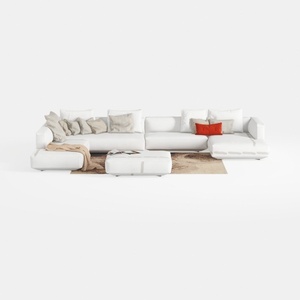
Oversized Sectional Sofa 9 Seater Large U Shaped
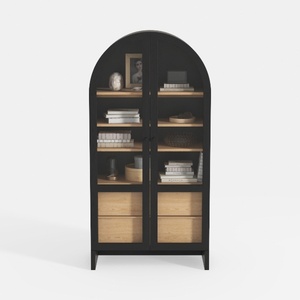
Wood Bookshelf with Adjustable Shelves, 72" Tall
Homestyler is your go-to online platform for effortless home design. With its user-friendly architecture tool, stunning 3D renderings, and a wealth of design projects and tutorials, you can transform your space with ease and creativity. Dive in and let your design dreams flourish!
تصميم الآن مجانا
































