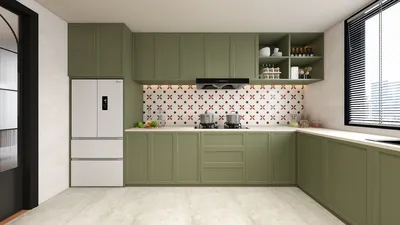


For multipurpose halls to excel, they must exude intuition, warmth, and adaptability. In reimagining the Nalanda Hall, I emphasize human-centered design elements—such as sightlines, acoustics, circulation patterns, and versatile infrastructure—to seamlessly transition between activities like lectures, performances, workshops, and exhibitions while ensuring comfort and identity remain intact.
Data on performance and wellbeing continually supports design decisions in multipurpose halls. According to the WELL v2 Lighting guidelines, maintaining lighting levels between 300–500 lux is ideal for typical learning activities, emphasizing glare reduction and appropriate color temperatures to minimize visual strain. For stage events, a layered lighting design is essential, allowing for ambient light around 200 lux, amplified localized lighting in concentrations. Sound comfort is equally critical; research from Steelcase reveals that 85% of workers express frustration over noise and lack of privacy, highlighting the necessity for effective sound absorption, diffusion, and zoning in community spaces—these standards form the performance foundation for the hall.
Thoughtful Zoning and Flow
My strategy initiates with distinctly defined functional zones: a primary area for presentations or performances, adaptable seating arrangements, and supportive edges for storage, audiovisual needs, and catering, along with breakout spaces. The circulation pathway should flow smoothly from entrance to stage without cross-traffic disruptions in the rear. For classroom setups, a modular grid ensures aisles of 1.2–1.5 m, promoting ergonomic accessibility and safe evacuation. In exhibiting contexts, wider perimeter alcoves permit power access and display setups while allowing smooth traffic flow. If you are considering diverse seating or multifunctional layouts, a room layout visualization tool, such as Homestyler, can aid greatly in quickly exploring alternative designs and testing sightlines.
Sightlines, Stage Geometry, and Visual Cohesion
Optimal sightlines captivate audiences and maintain coherence in a multipurpose hall. I favor a shallow raked seating arrangement or staggered rows with a spacing of 900–1,000 mm and lateral offsets of 300–350 mm to eliminate head obstruction. Stage platforms should observe a 1:12 incline for accessibility while fine-tuning their heights between 450–600 mm, based on seating density. The balance of visual elements is crucial; pairing tall structures (like proscenium trims and acoustic screens) with low horizontal surfaces (platform edges and seating) prevents visual chaos. Color psychology plays a role in concentration; using subdued blue and gray walls enhances performer visibility, and warm accents at entrances boost the overall inviting atmosphere; studies suggest warm colors raise perceived energy levels and encourage sociability in social contexts.
Adaptive Lighting Solutions
A successful multipurpose hall incorporates various lighting layers: ambient light for safe navigation, task lighting for note-taking, accent lighting to complement artworks or exhibits, and theatrical fixtures for performances. Following the WELL v2 framework, it's advisable to maintain uniformity ratios between 0.6–0.8 in educational settings to decrease eye fatigue, while glare can be minimized with luminaires that achieve a UGR < 19 in seating areas. I recommend tunable white lighting systems (ranging from 2,700–5,000K) that can transition from warm hospitality settings to cooler focus-oriented modes. Implementing dimmable perimeter lighting can enhance the room's atmosphere, and integrating high-performance blackout shades ensures high-quality visuals for presentations. Emergency lighting and photometric compliance should align with IES guidelines for assembly spaces.
Sound Quality and Speech Clarity
Exceptional halls recognize sound as a key material. For varied programming, the goal should be reverberation times between 0.8–1.2 seconds. Utilizing adjustable drapes or retractable acoustic banners can help tailor sound quality. I combine ceiling clouds (NRC ≥ 0.80) with wall panels that combine both sound absorption and diffusion to maintain clarity without deadening the ambiance. Mechanical noise levels must remain below NC-30 to ensure speech clarity; positioning air-handling units away from the stage and decoupling ductwork is essential. Flexible seating arrangements should facilitate unobstructed sound paths; when switching to cabaret or banquet setups, movable line arrays need adjusting to maintain consistent sound coverage.
Ergonomic Seating and Modular Adaptability
Comfort is a significant factor in driving attendance and promoting engagement. Ergonomically designed seating with lumbar support, heights between 430–460 mm, and sufficient knee clearance (300–350 mm) make longer lectures more bearable. For layout versatility, prioritize lightweight, stackable chairs with built-in numbering and quick-release trolleys. Incorporating tablet arms can suit seminar style setups; however, for performance evenings, these should be removed to present a clear visual landscape. Tables ought to provide 600–700 mm of personal width and 900 mm depth for laptop use. Ensure ADA-compliant pathways with a minimum width of 915 mm and distribute companion seating throughout the hall to foster inclusivity.
Material Selection, Durability, and Eco-Friendliness
Choosing materials necessitates a balance between durability and sensory appeal. I favor high-abrasion upholstery (≥100,000 double rubs) alongside bleach-cleanable public fabric to withstand wear. The flooring should integrate resilient planks in aisles, combined with acoustic carpet tiles beneath seating to dampen foot traffic noise. Utilizing FSC-certified wooden trims adds warmth while requiring minimal maintenance. Opt for low-VOC adhesives and finishes, and design for components that can be modularly replaced to decrease waste. Whenever feasible, incorporate recycled materials into acoustic panels and specify high-efficacy LED lights to lower energy consumption.
Technology, AV Integration, and Future Preparedness
A well-structured audiovisual (AV) framework can elevate a hall from useful to vital. Provide backup power and data outlets on floor boxes concentrated in the front third of the venue, include ceiling grids for overhead lighting fixtures, and create backstage areas with accessible cable routes. For hybrid events, essential equipment includes beamforming microphones, systems for assisted listening, and strategically placed displays for audience overflow. Ensure that lighting control systems are assigned to typical scenarios—lectures, performances, banquets, exhibitions—to facilitate rapid transitions without requiring extensive technical help. Allocate a small tech area for last-minute equipment setup and employ clear labeling to minimize turnover time between functions.
Wayfinding, Entry Points, and Guest Experience
The overall experience begins upon arrival. An adequately illuminated, acoustically serene entrance hall prepares the audience and prevents noise spillover into the main space. I employ multilayered signage—strategically placed high for directions, mid-level for event schedules, and lower for seat labels—allowing guests to navigate independently. Refreshment areas or café nooks should remain positioned at the periphery to avoid disturbances while remaining visible to encourage congregating during intermissions. In exhibitions, warming the threshold lighting slightly (to around 3,000K) invites entry, while cooler shades within help maintain focus.
Essential Storage, Backstage Coordination, and Efficiency
Efficient storage setups are crucial. Allocate a minimum of 10–12% of the total floor space to accommodate chairs, tables, risers, drapery, and AV equipment. Ensure wide, direct paths from storage to the hall—at least 1.5–1.8 m clear—to facilitate quick transitions. Color code storage kits by type of event and have protective carts readily available. Staff pathways should avoid crossing the audience area to decrease congestion during resets. For frequently changing layouts, using a room design tool can help simulate patterns to test aisle dimensions and emergency exits.
Color Psychology and Venue Identity
Color plays a vital role in anchoring memory and mood. For the Nalanda Hall, the color palette should emphasize scholarship and community, combining calm neutral wall tones with vibrant accent bands in stages and exhibits to signal importance, and incorporating biophilic greens to soften corners. Research confirms that blue and green tones enhance focus and recuperation, while warm colors stimulate social interactions; a careful combination fosters diverse programming. It's important to balance reflectance values—ceilings should range from 80–85%, walls 50–70%, and floors 20–40%—to minimize glare and maintain clarity for signage readability.
Human-Centered Design Ratios and Spatial Flow
The spatial arrangement greatly influences movement and emotional response. I maintain a width-to-length ratio of 1:1.5 to 1:2 for the main hall to avert acoustic issues and undesirable sightlines. Structural bays sized 6–8 m grant flexibility for rigging while controlling echo. A rhythmic experience is achieved through alternating vertical elements (such as banners and columns) contrasted with horizontal lighting tracks, establishing a hierarchy that soothes large audiences.
Maintenance, Operations, and Guidelines
Operational standards sustain the overall experience. Establish cleaning protocols for frequently touched surfaces and seating fabrics, train staff for swift scene transitions, and document AV settings. Publicly share straightforward event guidelines—maximum sound pressure levels, blackout schedules, and food service etiquette—to preserve the venue and clear up potential confusion. Over time, analyze usage trends and noise issues to inform layout adjustments and material enhancements.
Frequently Asked Questions
Lectures and seminars operate optimally at 300–500 lux while controlling glare; performances may reduce ambient levels to 200 lux while highlighting focal points more intensely. Tunable white systems assist in balancing ambience with visibility.
Combine ceiling clouds (NRC ≥ 0.80), wall absorbers, and diffusers; aim for reverberation times around 0.8–1.2 seconds. Utilize retractable drapes for events requiring tighter acoustics and ensure mechanical noise is below NC-30 for quality sound.
Seating heights should range between 430–460 mm, with knee clearance at 300–350 mm and row spacing around 900–1,000 mm featuring slight lateral staggering. Implement ADA-compliant routes of at least 915 mm and provide accessible seating across various zones.
Colors that are calming, such as blues and greens, encourage focus and recovery; warm accents near entryways boost social interaction. Maintain proper reflectance levels to avoid glare: ceilings higher, floors lower.
Utilize modular furniture, adhere to clear aisle guidelines, and establish well-defined support perimeters. Consider redundant power/data provisions and leverage visualization tools to simulate seating or exhibition patterns for effective flow analysis.
Implement beamforming microphones, assisted listening setups, distributed screens, and a solid network infrastructure. Pre-map lighting and audio settings to standard event formats for quicker transitions.
Set aside 10–12% of total floor space for accommodating chairs, tables, platforms, drapery, and AV equipment. Ensure streamlined pathways for quick transitions from storage to the main hall and use labeled carts for efficiency.
Organize activities into zones, apply acoustic materials strategically, mitigate mechanical noise, and provide tranquil breakout spaces. Evidence suggests widespread frustration with noise; deliberate acoustic planning is critical.
Maintain uniformity ratios between 0.6–0.8, manage glare with UGR < 19 luminaires, and ensure the color temperature aligns with specific task requirements.
Create flexible systems for lighting, acoustics, and seating to cover both modes efficiently. Attention to stage geometry, movable line arrays, and tunable lighting can rapidly configure the space as needed.
Select high-end, bleach-cleanable fabrics; utilize acoustic carpet tiles below seats; install resilient planks in aisles; select FSC-certified wood for trims; and ensure low-VOC finishes for healthier environments.
Organize signage at various heights for clarity, ensure readability by maintaining contrast, and use warm lighting tones to signal entry while providing clear views from the entrance to the stage.
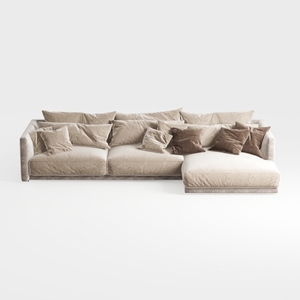
Minimalist Velvet L Shaped Sectional Sofa with Throw Pillows 3D Model

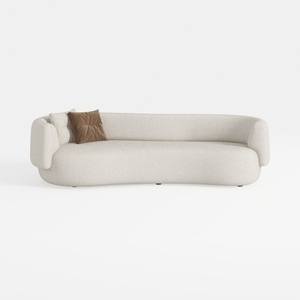
Minimalist Boucle Curved Living Room Sofa 3D Model
Homestyler is your go-to online design platform for transforming your home. With its user-friendly design tool, stunning 3D renderings, and a treasure trove of DIY video tutorials, you can effortlessly create and visualize your dream space. Perfect for any design enthusiast!
تصميم الآن مجانا
































