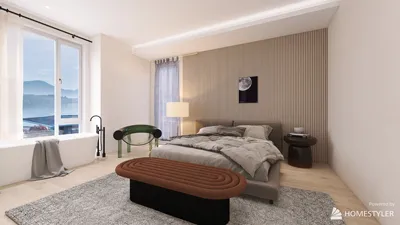


Creating a versatile gathering space like the Shreyas hall requires careful consideration of aspects such as capacity, movement patterns, and sound control. My design philosophy embraces a streamlined circulation path, modular furnishings, and flexible zones that can transition smoothly from ceremonies to workshops while maintaining visual order. Research from Steelcase indicates that environments allowing for adaptable layouts can boost perceived productivity by as much as 17% when individuals can rearrange spaces to meet their needs; this insight shapes my approach to planning everything, from seating arrangements to mobile staging options. The WELL v2 standard emphasizes the importance of acoustic comfort and optimal lighting; achieving a noise criteria level of NC-35 or better is essential for improving speech clarity and decreasing listener fatigue within halls.
The way we illuminate a space significantly influences its functionality and ambiance. The Illuminating Engineering Society (IES) suggests maintaining an illumination level of 300-500 lux in multi-purpose areas, while specific tasks, like presentations, may require more focused lighting at 500-750 lux. I adjust the ambient lighting to create a comfortable environment, using dimmers to set levels around 300-350 lux for social events and increasing it to 450-500 lux for training sessions, complemented by warm light accents between 2700-3000K for evening events. Furthermore, color psychology insights from VerywellMind indicate that warm colors such as amber and terracotta can create a sense of comfort, while cooler blues enhance concentration; by employing a balanced color palette, I ensure behavioral cues are conveyed without overwhelming the architectural space. For further lighting insights, visit ies.org/standards.
Planning the Core Layout
Efficiently designed halls hinge on straightforward spatial organization. My preferred layout adopts a 60/20/20 ratio, dedicating 60% of space for the main assembly area, 20% for circulation, and another 20% for supplementary functions (storage, AV, catering). During the evaluation of various seating setups—be it banquet, theater, or classroom styles—I utilize an interior design software like Homestyler to simulate different arrangements while ensuring adequate visibility and accessibility, maintaining minimum aisle widths of 1.2 meters for main paths. This strategy allows for an intelligible layout that supports transitions from yoga classes to lecture presentations seamlessly.
Sightlines, Staging, and Visual Harmony
The comfort of attendees is largely influenced by stage height and distances. For talks without amplification, I position the front row 1.5-2.0 meters from the speaker, with the stage standing at a height of 300-450 mm to facilitate eye contact while preventing neck strain. The optimal viewing angle remains within 30° from the centerline for most seats. By using a minimal backdrop composed of materials such as acoustic paneling or textured fabric, I create vertical rhythm without overwhelming the space visually. This approach achieves a balanced focal point that guides attention effectively.
Acoustic Comfort Without Overdesign
Controlling reverberation is crucial for the clarity of speech in any hall. I aim for a target RT60 of 0.7-1.0 seconds for spoken events while allowing for a slightly extended duration of 1.2-1.4 seconds for musical performances. My strategy integrates absorptive elements like ceiling clouds (NRC rated 0.75 or higher), plush seating, and surrounding curtains to manage sound reflections. In cases where budget constraints exist, thoughtfully placed fabric banners and cork wall segments can effectively reduce echo. It is advisable to avoid parallel hard surfaces; introducing diffusive features will enhance acoustic comfort without compromising brightness.
Lighting Layers for Mood and Function
To create distinct atmospheres within a hall, layered lighting is essential: ambient (even, glare-free), task (specific areas like lecterns), accent (for artworks or ceremonial altars), and decorative fixtures (such as pendants). Achieving an 80+ Color Rendering Index (CRI) ensures natural-looking skin tones in general lighting, while for live-streaming purposes, aiming for a 90+ CRI is beneficial. I incorporate wall grazing techniques to add depth at 5-8 W/m without creating hot spots, while ensuring the Unified Glare Rating (UGR) remains below 19 to minimize discomfort during prolonged events. Warm-to-dim LED options offer a cozy atmosphere for evening functions, maintaining visual clarity.
Comfort, Ergonomics, and Flow
The principles of ergonomics inform my approach to spacing in gathering halls. Theater seating is most effective with a row pitch of 850-900 mm, while seat widths should range from 500-550 mm, providing 900-1,000 mm of aisle space for every 100 seats. The selection of chairs is crucial: features such as lumbar support and breathable fabrics enhance guest comfort throughout lengthy ceremonies. In banquet layouts, maintaining a 1.2 m circulation gap around tables is essential to avoid congestion. Ensuring the service pathways remain discreet is key, allowing staff to navigate without hindering the guest experience.
Material Selection and Durable Elegance
For hall interiors, it is important to choose finishes that are both durable and easy to maintain over time. I recommend combining timber veneers with low-VOC mineral paints for a calming aesthetic. The flooring design may feature stone or terrazzo at entry points, with resilient options like LVT or engineered wood in the main assembly area, complemented by carpeted sections for acoustic softening. The choice of upholstery should include performance fabrics that endure over 50,000 double rubs. To adhere to sustainability practices, prioritize FSC-certified timber, use water-based glues, and select modular components that allow for simple repairs or replacements, thereby minimizing lifecycle waste.
Color Psychology and Ritual Cues
Color not only decorates but also communicates intention. For meditative programs, a warm-neutral foundation (like sand, clay, and soft ochre) paired with deep indigo tones fosters a tranquil environment. Conversely, cooler neutrals paired with contrasting hues enhance focus for training. VerywellMind points out the calming effects of blue and the energizing properties found in red tones; I carefully incorporate these colors as accents—like cushions and draperies—ensuring they support versatility rather than dominate the visuals in the hall.
Flexible Furniture and Storage Strategy
The principle of modularity is fundamental in my design. Incorporating nesting chairs, foldable benches, and flip-top tables facilitates quick setup and reconfiguration. Mobile cabinets can act as multifunctional hubs for audiovisual equipment or refreshment stations. In-wall storage of 450-600 mm depth is designed to discretely house excess chairs, linens, and technical gear. Employing labeling systems and an inventory map within the AV storage can save valuable time during setup. Additionally, opting for quiet, non-marking casters is imperative to protect the flooring during furniture movement.
Technology Integration
Given the variety of audio-visual needs for events, I ensure to install power and data outlets within floor boxes positioned every 6-8 meters, complemented by ceiling rails for lighting and projection requirements. By implementing acoustic digital signal processing, cardioid microphones, and an intuitive mixing system, I ensure high-quality sound on-site without necessitating an engineer. The controls must be user-friendly, featuring one-touch presets for different setups, such as ceremonies, lectures, and banquets.
Wayfinding, Ritual, and Entry Experience
The experience begins upon arrival, setting expectations for visitors. To create a welcoming threshold, I incorporate soft lighting, tactile surfaces, and pleasant scents. The wayfinding approach should be minimalist, utilizing pictograms and concise signage with consistent typography and glare-free finishes. In religious or culturally significant spaces, providing niches for offerings ensures circulation remains unencumbered.
Natural Light and Thermal Comfort
Where daylight is accessible, I regulate it with dual-layer shades (sheer and blackout) to eliminate glare and maintain the integrity of AV performance. Keeping the temperature neutral at around 21-24°C will enhance comfort, matched with occupancy variations. Ceiling fans, complemented by displacement ventilation systems, help circulate fresh air discreetly. The WELL v2 guidelines recommend keeping CO2 levels between 800-1,000 ppm for optimal cognitive function, which I monitor through unobtrusive sensors.
Layout Scenarios You Can Reconfigure Fast
I develop three primary layout presets: 1) Ceremony mode—designing a central aisle, balanced seating arrangements, warm accent lighting, and focused backdrops; 2) Lecture mode—implementing fan-shaped seating for enhanced sightlines, with task lighting set at 500 lux and the deployment of acoustic banners; 3) Banquet mode—arranging circular tables accommodating 8-10 guests, with 1.5 meters between tables for operation and buffet placement. Utilizing a room planner tool like Homestyler allows for visualization of crowd movement and adjustment of aisle configurations well before the actual setup begins.
Maintaining the excellence of halls requires strategic operations. Conducting quarterly acoustic assessments (like clap tests paired with SPL meters) and annual lighting calibrations helps sustain performance. Considering maintenance schedules for upholstery and managing cables ensure organization. I also standardize setup procedures through visual guides, enabling volunteers to efficiently reset the space, ensuring consistency.
Authority References
For those seeking more in-depth information, I recommend exploring the WELL Building Standard at wellcertified.com and the lighting best practices available at ies.org/standards. Both resources are beneficial for aligning health, comfort, and performance benchmarks with actionable design strategies.
FAQ
Q1: What is the recommended illumination level for a multi-purpose Shreyas hall?
A: Target an ambient light level of 300-500 lux based on IES recommendations, with higher task lighting levels of 500-750 lux directed towards focal points like lecterns or preparation areas. Employ dimming features to accommodate shifts between ceremony and training environments.
Q2: How can I enhance speech clarity without extensive renovations?
A: Incorporate soft materials such as ceiling clouds (NRC rated 0.75 or higher), perimeter curtains, and upholstered seating. Altering parallel walls with bookshelves or slatted wood can diffuse sound reflections; aiming for an RT60 around 0.7-1.0 seconds is ideal for spoken engagements.
Q3: What seating dimensions promote comfort and capacity?
A: For theater configurations, use a row pitch of 850-900 mm, seat widths of 500-550 mm, and maintain a 1.2 m main aisle to ensure safe movement. In banquet formats, allow a spacing of at least 1.5 meters between tables to facilitate service and circulation.
Q4: Which color schemes are most beneficial for differing functions?
A: Use warm neutrals (sand, terracotta) to induce calmness for ceremonial occasions; in contrast, cooler colors like blues and grays can sharpen focus during lectures. Adopt vivid colors as accent elements, informed by color psychology research from VerywellMind, to ensure the space remains adaptable.
Q5: What strategies help manage glare and visual fatigue?
A: Select fixtures maintaining a UGR below 19, introduce indirect lighting solutions, and utilize dual-layer window treatments. Maintain a CRI of 80 or higher for general lighting, and 90+ near cameras for accurate skin tone representation.
Q6: What storage solutions minimize clutter during reconfigurations?
A: Create 450-600 mm deep sidewall storage for chairs, linens, and AV equipment. Implement labeled containers alongside a straightforward inventory map; mobile credenzas can serve dual purposes as service areas and equipment storage.
Q7: How do I ensure a healthy air quality in a crowded hall?
A: Combine displacement ventilation systems with ceiling fans, monitoring CO2 levels to remain below 800-1,000 ppm per WELL v2 standards. Employ quiet fans alongside filtered air for comfort during lengthy events.
Q8: What technological framework should be established?
A: Distribute power/data outlets approximately every 6-8 meters through floor boxes, along with grid systems in the ceiling for lighting and projections. Establish preset AV configurations to ensure professional audio while simplifying operations without needing a specialized operator.
Q9: How can I streamline the arrangement of multiple layout presets?
A: Develop three to five standard configurations (ceremony, lecture, banquet, yoga), each detailed with diagrams and necessary equipment. Utilizing interior design simulation tools such as Homestyler aids in visualizing attendee movement and adjusting aisle arrangements beforehand.
Q10: Which materials successfully combine durability with aesthetic appeal?
A: Pair timber veneers, mineral-based paints, and resilient flooring options (like LVT and engineered wood) with performance fabrics that endure over 50,000 double rubs. Favor low-VOC finishes and FSC-certified wood selections to emphasize sustainability.

TREATLIFE HOME Solid Wood Computer Desk with Drawe
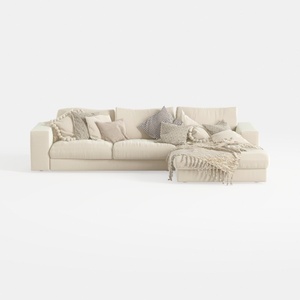
Minimalist Beige Fabric L Shaped Sectional Sofa with Throw Pillows 3D Model
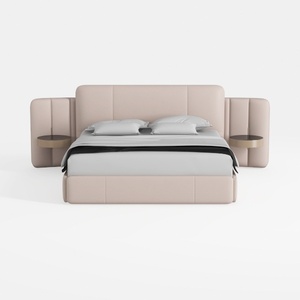
Minimalist Blush Fabric Upholstered King Bed with Attached Side Tables 3D Model
Homestyler is your go-to platform for effortless home design! With an easy-to-use online tool, stunning 3D renderings, and a plethora of design projects and video tutorials, you can transform your space into a beautiful reality with just a few clicks.
تصميم الآن مجانا
































