


Having designed numerous community centers and venue spaces, I've learned that a truly successful event space appears effortless for attendees while being carefully managed behind the scenes. Bishop Pereira Hall in Palayam serves as a versatile backdrop—hosting weddings one weekend, seminars midweek, and cultural performances on Fridays. The design challenge involves enhancing flexibility, comfort, and sound quality without compromising its unique character, which can easily be planned using tools like Homestyler for visualization.
My design ethos is guided by two key benchmarks. First, research shows that lighting plays a critical role in guest comfort and overall positive ratings. According to the WELL Building Standard (WELL v2 L03–L08), meeting spaces should mitigate glare, achieve the right brightness for specific tasks, and accommodate circadian rhythms. Secondly, the layout influences user behavior: Gensler’s workplace studies indicate that diverse settings for focus, collaboration, and socializing increase user satisfaction—insights I apply to event spaces by creating multiple ‘micro-zones’ within a larger room. The frameworks I refer to are WELL v2 and Gensler Research.
My approach to lighting relies heavily on data. For audience seating, I target an ambient level of 100–200 lux, while sign-in desks and catering areas should have between 300–500 lux. These levels align with the Illuminating Engineering Society's recommendations for assembly spaces. Stage lighting typically varies from 500–1000 lux based on either performance or panel discussions, all while keeping the Unified Glare Rating (UGR) low to minimize visual discomfort and enhance photography outcomes.
Design Intent: A Versatile Venue Without Trade-offs
The aspiration is to establish a venue capable of adapting within minutes—not hours. This involves addressing three spatial intentions: welcoming and orientation, presentation and performance, plus social interaction. Each element must expand or contract seamlessly without giving the impression of being an afterthought. I rely on modular seating, mobile risers, and partition drapery to create a pleasant acoustic environment and adjust proportions accordingly. When evaluating layouts—be it a banquet for 300, a theater setup for 500, or a classroom for 180—I utilize a room layout tool to examine pathways and sightlines, as well as validate stage visibility and ADA specifications. Consider utilizing this room layout tool to experiment with aisle configurations, buffet arrangements, and AV sightlines that work hand in hand with Homestyler.
Arrival, Orientation, and Initial Impressions
Within just 10 seconds, guests will form their impressions. I choreograph a logical sequence: from drop-off to vestibule, registration to lounge, and finally revealing the main hall. For Bishop Pereira Hall specifically, I recommend a brightness of 300–500 lux at the entry desk paired with color temperatures around 3500–4000K for an inviting yet alert ambiance. Signage should be positioned at eye level (48–60 inches) to aid navigation, with tactile indicators for those who are visually impaired. Clear and minimal wayfinding ensures that visual distractions are kept to a minimum—a single prominent graphic or emblem can serve as the anchor for brand identity, while secondary signage stays calm and legible.
Lighting Strategy: Layered, Adjustable, and Camera-Ready
The success of event halls significantly relies on dimming capabilities. I incorporate three light layers: indirect ambient (using cove lighting or uplighting to minimize glare), accent (spotlights highlighting displays, floral arrangements, or awards), and task lighting (for lectern and buffet areas). A tunable white light range of 3000–5000K helps to shift moods—offering warmth for dining and a cooler tint for focus during conferences. Beam angles are calibrated to 20–36 degrees for the stage and tightened to 10–15 degrees for podium effects. The option for blackout conditions is vital; drapery tracks and side masking allow operators to effectively manage natural light during projection-heavy segments.
Acoustics: Speech Clarity Without Deadening the Space
Many multipurpose halls suffer from echo issues. I aim for a reverberation time (RT60) between 0.8–1.2 seconds for speech-oriented events, utilizing retractable acoustic curtains, upholstered chairs, and subtle ceiling treatments to achieve this. For musical performances or dance, reflective surfaces can be enhanced to bring back energy. Controlling noise levels at doors and in lobbies is crucial; using vestibules and insulated doors prevents sound from spilling into quieter spaces. Effective microphone pickup hinges on keeping HVAC noise below NC-30 to NC-35—this is a specification worth ensuring in cooperation with your MEP engineer.
Stage Design: Sightlines, Power, and Backstage Management
Even a modest stage requires careful consideration. I ensure that the front row of seats is positioned a minimum of 1.5 times the stage height away for a comfortable viewing experience, while the furthest seat needs to have a vertical sightline of at least 5–7 degrees toward the stage deck. Proper power management is crucial; a dedicated AV subpanel with isolated grounding is essential to minimize hum. To avoid tripping hazards, I plan for cable troughs or ramps. Additionally, backstage must maintain a minimum clearance of 4–6 feet for performers to move and for efficient scene transitions. Early coordination of video distances and lens options is essential; if room depth permits, rear projection is ideal; otherwise, I consider ceiling-mounted ultra-short throw projectors, factoring in glare reduction.
Layouts That Optimize Functionality
I generally design four versatile ‘kits’: theater, banquet, classroom, and exhibition setups. Each kit encompasses furniture requirements, typical aisle spacing (maintaining 36–48 inches for main aisles and 18–22 inches between rows), plus service corridors for catering. Configurations of lounge seating around the perimeter can alleviate congestion and provide ADA-compliant options. If you’re experimenting with event transitions, employing an interior layout planner can save substantial time by simulating seat blocks and exits, effectively ensuring compliance with fire codes while considering buffet flows using Homestyler for layout variations.
Material Choices and Maintenance
Durability doesn't equate to dullness. I aim for a balance between high-wear flooring like densified concrete with area rugs or modular carpet tiles, accented by acoustic wall materials and wood elements. Surfaces near food service areas must be cleanable and resistant to staining. For sustainability, low-VOC paints alongside Greenguard-certified furnishings contribute to better indoor air quality. A neutral color palette complemented by carefully controlled color accents allows for event branding to thrive without clashing.
The Psychological Impact of Color on Mood
The role of color in influencing behavior is often underestimated by venues. Warm neutrals and soft terracottas can reduce social anxiety at receptions, while cooler, slightly muted blues can foster attentiveness during presentations. Saturation levels are crucial; overly bright colors can distract, while too subdued tones risk blandness. Movable accent colors—achievable through lighting gels, LED settings, and textiles—enable the hall to accommodate various functions, from weddings to academic ceremonies.
Human-Centric Design: Comfort, Accessibility, and Flow
Comfortable seating and posture are vital for productivity. For sessions extending beyond 60 minutes, ergonomic principles advocate for lumbar support and adaptable seat pans to mitigate pressure points. I allocate 20–24 inches of space per seated guest at banquet tables for comfort and maintain a minimum of 60 inches between circular tables to allow effective service routes. Accessible seating should be distributed throughout the hall, rather than relegated to the back, ensuring clear sightlines and companion seating. Registration or buffet lines should flow around corners to minimize visual congestion at entries.
Infrastructure: Power, Connectivity, and AV Integration
Investing in future-ready power systems is a wise move. I embed electrical boxes throughout the venue (every 20–25 feet) equipped with power and data, ensuring overhead raceways for projectors and screens. Wi-Fi coverage should be strategically planned for high-density areas; positioning access points alongside acoustic features helps avoid signal issues. For hybrid events, designating a quiet control area for streaming is essential and ensuring direct audio feeds and unobstructed camera sightlines allows for a seamless experience.
Operational Considerations: Turnaround and Storage Solutions
Efficient operations should feel invisible. I specify stackable chairs and folding tables stored on dollies, along with clearly labeled storage to support a ‘first in, first out’ method. A dedicated cleaning closet positioned close to the hall streamlines processes. For rapid reconfigurations, color-coded plans for each layout can be displayed backstage, while anchored floor markings ensure precise alignments using tools similar to those found in Homestyler.
Safety, Compliance, and Egress Planning
Nothing hinders a venue more than unexpected compliance issues. I prioritize egress capacity early in the design phase, ensure exit signage is consistent and adjustable, while incorporating photoluminescent markers for safety in low visibility scenarios. Fire extinguisher installations should be seamlessly integrated into acoustic features without disrupting them; proper recessing and coordination with wall panels is key. Accessibility features like ramps must be subtly blended into the stage edge, rather than appearing tacked on.
Community Identity, Ritual, and Long-Lasting Impressions
Guests often remember the smallest details—such as a distinctive entry scent, a custom lectern with unique inlays, or an intentional lighting scene marking the beginning of a program. For Bishop Pereira Hall, I envision curating a small artifact display that celebrates community milestones alongside a flexible lighting system that transitions the space from performance to networking without abrupt shifts.
Sample Design Playbook for Bishop Pereira Hall
- Ambient lighting: 100–200 lux for seating, 300–500 lux for task areas; Stage lighting at 500–1000 lux with glare management
- Tunable white light between 3000–5000K adjustable down to 1% for film or ceremony use
- Target RT60 of 0.8–1.2 seconds for speech clarity; Utilize retractable curtains and ceiling baffles
- Seating configurations for 180 in classroom, 300 for banquet, and 500 for theater; Maintain 36–48 inch aisles
- Install floor box grids every 20–25 feet; Dedicated AV subpanel with isolated grounding for optimal performance
- Modular backdrop options with side wings; Minimum wing clearance of 4–6 feet for efficient movement
- Storage solutions sized to hold about 20–25% of total furniture volume; Utilize labeled racks for easy access
- Neutral finishes paired with movable accent colors achieved through lighting and fabric selection
FAQ
Q1: What are the optimal lighting levels for multipurpose halls?
A: An ambient level of 100–200 lux provides comfort for audiences; 300–500 lux is ideal for registration and catering areas. Stage tasks typically require 500–1000 lux with glare control. These standards adhere to IES recommendations for assembly and task areas, aligning with the WELL v2 intention for comfort and visual clarity.
Q2: How can I enhance speech clarity without excessively dampening the room?
A: Aim for an RT60 around 0.8–1.2 seconds for optimal speech clarity. Pair soft finishes like curtains and upholstered seating with subtle ceiling baffles. Maintain HVAC noise below NC-30–35 for improved microphone intelligibility.
Q3: What seating arrangements are quickest to transition between events?
A: Theater and banquet setups can quickly shift through the use of stackable chairs and folding tables on dollies. Utilize floor markings and layout simulation tools to ensure consistent placement of aisles and seating blocks.
Q4: What color temperatures are best suited for various events?
A: Temperature ranges of 3000–3500K create a warm environment conducive to dining; 3500–4000K balances alertness for presentations; 4000–5000K provides a crisp ambiance for workshops or exhibits. Tunable systems facilitate mood changes without the need to swap out fixtures.
Q5: How do I prevent congestion at entry points?
A: Position registration at least 10–15 feet beyond the vestibule and create queue bends around corners to avoid visual clutter. Clearly defined pathways and 60-inch corridors enable smooth two-way flow. Separating ticketing from will-call further decreases bottlenecks.
Q6: What’s the ideal spacing between banquet tables?
A: Maintain approximately 60 inches between table borders for service access and ADA maneuverability. Allocate around 20–24 inches per guest for comfortable dining.
Q7: What essential AV infrastructure should I incorporate during the initial planning?
A: Incorporate floor boxes every 20–25 feet for power/data, ceiling raceways for projectors/screens, and a designated AV subpanel with isolated grounding. Also, set aside a quiet control area for streaming activities and recordings.
Q8: How do I manage natural lighting during presentations?
A: Use layered drapery in conjunction with blackout side masking. Adjust artificial lighting levels to maintain screen contrast while keeping audience visibility around 50–100 lux.
Q9: Which materials effectively balance durability and sound absorption?
A: Combine resilient flooring options like densified concrete or modular carpets with sound-absorbing wall fabrics and wooden elements. It’s important to select cleanable and stain-resistant finishes near catering areas to minimize upkeep.
Q10: How can a venue support both community identity and versatility in events?
A: Utilize a neutral base palette while allowing movable elements—such as lighting scenes, fabrics, and signage—to express identity. Incorporate an artifact wall and a signature lighting design that creates memorable experiences without confining usability.
Q11: What safety details are commonly neglected?
A: Ensure to assess egress capacity early on, maintain consistent dimmable exit signage, incorporate photoluminescent path indicators, and recess fire extinguishers within acoustic panels for a clean look. Transition ramps must be subtly integrated at a maximum slope of 1:12 leading into the stage area.
Q12: How do I determine appropriate storage size for efficient turnarounds?
A: Plan for storage to accommodate about 20–25% of your furniture capacity, utilizing labeled racks and dollies for efficiency. Position it conveniently close to the hall to facilitate quick turnover between events.

OKD 48" Modern Farmhouse Coffee Table, Wooden
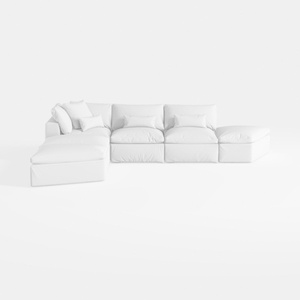

Minimalist White Fabric L Shaped Sectional Sofa 3D Model

Minimalist Black Stone Coffee Table Unique Irregular Shape 3D Model
Homestyler is an ideal tool for anyone looking to redesign their space effortlessly. With its user-friendly online design platform, stunning 3D renderings, various design projects, and helpful DIY video tutorials, you can explore and realize your home design dreams with confidence and creativity!
Design jetzt kostenlos
































