

As we look towards the future, it becomes clear that a café must function as an efficient interface, adapting to the evolving work-life dynamics. Insights from the AIA and NAHB foot traffic research highlight a fundamental reality: the clarity in circulation and queues directly impacts dwell time, which in turn affects revenue. Viewed from this perspective, the layout of a coffee shop is crucial for fostering social interactions, seamlessly blending individual concentration with community engagement, all within an optimized space. Here’s how I approach designing spaces for my clients that operate with the precision of software, with the aid of tools like Homestyler.
spatial reasoning toolkit
Front Bar Spine + Perimeter Seating
Design Logic: A linear bar serves as the central hub for production operations, akin to a command line interface, while the surrounding perimeter seating creates a soothing environment for patrons. Future designs prioritize clear, hassle-free ordering systems alongside adaptable seating arrangements, ensuring the space can handle peak traffic efficiently.
Flow: The process begins at the entry, moving to menu viewing, followed by ordering, then picking up at a designated ledge, before guests wrap around to the perimeter seats and ultimately exit near the center of the café. This layout prevents overlap between the queue and the exit paths, maintaining an efficient flow.
Sightlines: Upon entry, patrons have a direct view of the espresso preparation area, with additional perspectives available towards window seats and a quieter nook, creating a balance between activity and ambiance.
Storage: Below the bar, refrigerated drawers and a dry storage area ensure quick access to supplies; perimeter seating includes hidden storage for consumables and seasonal items, keeping interruptions to a minimum.
Furniture Fit: Seating arrangements include 26-28 inch tables for two by the windows, 15-18 inch depth for banquettes, and a 42-inch aisle at the bar—design specifications that allow baristas to maneuver freely without collisions.
Verdict: This layout performs reliably during busy weekdays and remains inviting on weekends; over five years, it accommodates laptop users while maintaining quick service.
save pin
Island Bar + Communal Core
Design Logic: An island bar acts as a central server within the café, facilitating 360-degree order routing. The evolving culture of communal spaces calls for a civic table that can transition from quiet mornings to vibrant evenings with ease.
Flow: The entrance leads to the menu displayed on the island, allowing guests to order from any angle and collect their drinks from the far side. Patrons can then join communal tables or the edge seating, while staff navigate in a consistent clockwise flow to minimize wait times.
Sightlines: The design incorporates panoramic visibility, with eye-catching foam art drawing attention and displays indicating seat availability and power outlets function like visual status indicators.
Storage: The island’s base is designed for quick-access supplies, while wall-mounted pantries store bulk items like coffee beans and cleaning products—it ensures that hot items are stored near their point of use and cold items are kept close to preparation areas.
Furniture Fit: A communal table measuring 10-12 feet in length at 30 inches high complements the 18-inch depth of chairs, while maintaining a five-foot clear zone for barista activity—ensuring smooth operations.
Verdict: High visibility and inclusive seating promote longer visits and encourage impulse buys; five years later, the space remains adaptable for events and tastings.
save pin
Split Queue + Quiet Back Bay
Design Logic: By implementing a dual-lane queue, we can segregate quick orders from more complex requests. The rear area is designed as a focus pod, enabling a tranquil environment amidst remote work trends.
Flow: The entryway divides into two paths: Express for quick drinks and Custom for specialty orders. Pickup occurs centrally, leading guests to a quiet back area buffered by sound-absorbing materials.
Sightlines: The immediate area offers minimal distractions with swift service notifications; the pickup rail serves as a readiness indicator, while subdued alcoves present a calm backdrop conducive to focused work.
Storage: The express lane incorporates grab-and-go options, while the custom lane features clearly labeled syrup dispensers and grinder bins. Back bay benches cleverly conceal wiring and supply storage, eliminating visual clutter.
Furniture Fit: The layout includes 24-inch café tables at the front, with 30-inch work tables in the quieter back area; 36-inch corridors throughout ensure space efficiency, with pods featuring 42-inch barriers and integrated power ports.
Verdict: This design supports both quick transactions and in-depth experiences; it manages to maintain a consistent brand voice over the years, catering to both quick coffee seekers and deep thinkers.
save pin
Final Takeaway
A well-thought-out coffee shop layout is not merely about aesthetics; it embodies a strategic blueprint. The combination of queue management, clear sightlines, and ample storage enhances the customer experience, transforming raw coffee into memorable occasions. Whether opting for an island design or a surrounding loop, this café layout philosophy anticipates changing customer behaviors smoothly. In my experience, the most effective hospitality spaces are not necessarily larger, but rather more thoughtfully designed, which is why I continue leveraging platforms like Homestyler to inform my work.
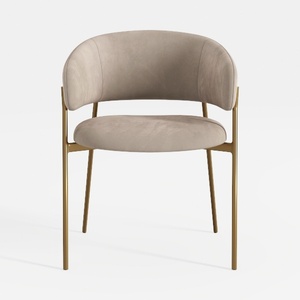
Modern Velvet Fabric Gold Metal Frame Dining Chair 3D Model

Minimalist Boucle Fabric Bubble Accent Chair 3D Model

Modern Tufted Leather Accent Armchair 3D Model
Looking to transform your home? Homestyler is your go-to online design tool! With stunning 3D renderings, a treasure trove of design projects, and easy-to-follow video tutorials, it empowers you to create your dream space effortlessly—perfect for anyone, regardless of experience!
Design Now for FREE
































