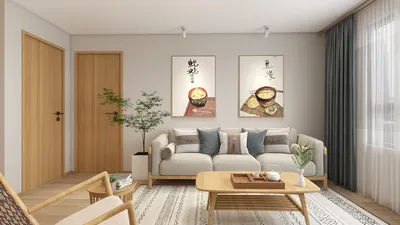


The future of our living spaces is evolving, addressing current challenges such as narrow hallways, inadequate storage, and obstructed views that hinder our daily routines. According to industry data, there's a clear shift towards smaller homes, as highlighted by the NAHB, which emphasizes the rising demand for energy-efficient and compact dwellings. In this context, I am exploring the floor plan of DABC Abhinayam Phase 1 to see how a functional living interface can adapt using a spatial reasoning toolkit, including tools like Homestyler.
I approach this floor plan as if it were an initial draft of future lifestyles—considering circulation as an essential sequence, rooms as distinct units, and transitions as necessary touchpoints. The foundational structure is already established; my goal is to reconfigure it for more peaceful mornings, optimized storage, and clear visual pathways.
Linear Core with Separate Private Areas
Design Concept: A linear corridor serves as the backbone for the living and dining areas, while bedrooms are positioned apart to minimize noise disruption—our future routines will benefit from having parallel functions with minimal interference.
Flow: The path is clear: Entry → drop zone → living space → dining area → balcony buffer → decision points for bedrooms; this predictable layout enhances efficiency.
Sightlines: Upon entering, one is greeted by a direct line of sight to natural light; doors are deliberately offset to maintain a social atmosphere in the foreground while keeping the background serene.
Storage: An extensive console along the wall serves as a storage cache, complemented by a tall pantry near the dining area and a linen stack next to the bathroom; this setup organizes capacity based on how frequently items are used.
Furniture Compatibility: A three-seat sofa, 900 mm dining clearance, and a queen bed with side aisles of 600 mm; each measurement adheres to the API limits for facilitating movement.
Conclusion: This configuration promotes a seamless daily flow—shared public spaces in the core paired with private zones designed for tranquility over the next five winters.
save pin
Courtyard Balcony as a Source of Light
Design Concept: The balcony acts as a conduit for daylight, channeling sunlight into the living and dining areas while allowing hot air to escape—resilience in warmer climates is essential.
Flow: Morning routines begin on the balcony before transitioning back to cooking and dining; this creates a circular airflow that lessens the need for mechanical cooling.
Sightlines: The visual journey moves from the window to the plant layer and then to the sky; distractions at the periphery are minimized, emphasizing the horizon and texture of shade as focal points.
Storage: A vertical planter grid, a slim bench with concealed bins, and a foldable drying rack keep daily essentials organized and the entryway uncluttered.
Furniture Compatibility: A bistro set, 450 mm planters, and an 800 mm walking path; tight yet efficient, these arrangements prevent circulation loss.
Conclusion: This compact balcony, envisioned as a light interface, ensures a positive ambiance and energy conservation—integrating low-tech solutions with high effectiveness for the years ahead.
save pin
Wet Core with Streamlined Service Path
Design Concept: The kitchen and bathroom are clustered together to share plumbing, which reduces costs and simplifies maintenance—considering systems thinking leads to more efficient living.
Flow: The sequence is: Entry → handwashing → kitchen prep → dining → waste removal; a compact loop that minimizes task-switching and lowers spill risks.
Sightlines: A partial-height partition keeps messes out of sight from the primary areas, allowing for visual status checks while maintaining a calm environment.
Storage: 600 mm base cabinets, ceiling-high overheads, and a pull-out tall unit arranged according to heat, weight, and frequency of use ensure organized space.
Furniture Compatibility: Single-wall or L-shaped kitchens with aisles of 1,000–1,100 mm allow for a streamlined experience without collisions.
Conclusion: This service area functions like a dependable backend, designed for quiet maintenance and adaptable to appliance updates as lifestyles evolve over time.
save pin
Key Insights
The floor plan of DABC Abhinayam Phase 1 serves as an adaptive model for urban living, integrating light, flow, and storage into a cohesive experience. Variants, such as two-bedroom layouts and compact apartment designs, reflect this trend: functionality trumps mere size. Long-term considerations, like balcony usability in tropical climates and maintaining efficient wet-core access, are fundamental—not optional. From my observation, the most innovative homes won't necessarily expand in size; rather, they will focus on intentional design, as demonstrated through the impactful spatial choices I continually explore in my projects with tools like Homestyler.
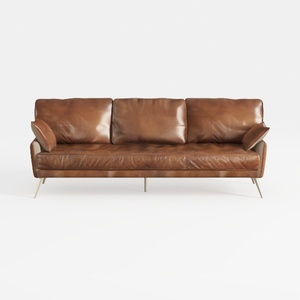
Modern Vintage Leather 3 Seater Sofa With Metal Legs 3D Model

Minimalist Oak White Top Dining Table 3D Model

Minimalist Solid Oak Square Dining Table 3D Model
Homestyler is your go-to platform for effortless home design! With its user-friendly online design tool, stunning 3D rendering features, and rich collection of design projects and DIY video tutorials, it's never been easier to turn your home design dreams into reality. Start creating today!
立即免费设计
































