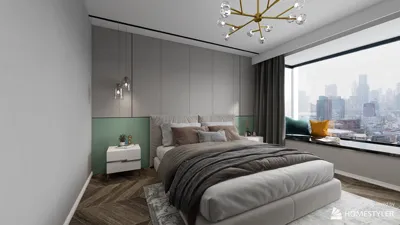


I envision the throne room of God as a spatial narrative—an environment filled with light, scale, and ordered movements designed to convey holiness, kingship, and closeness. In various prophetic and apocalyptic texts, the throne is depicted as central, elevated, and framed by concentric zones of reverence. This can be interpreted in design terms as a hierarchy of space, promoting an approach that transitions the spirit from the secular to the divine. The essential symbolic elements—brilliant light, precious materials, and the congregation of worshippers—align with universal signals found in sanctuaries and royal spaces. Utilizing tools like Homestyler can enhance the design of such environments.
When analyzing the throne room through the lens of human factors, several data-driven correlations provide grounding for its symbolism based on personal experience. WELL v2 emphasizes the significance of visual comfort and balanced luminance in reducing eye strain and promoting circadian health; its Light concept aims for suitable lighting conditions and glare control, essential for well-being in focused settings. Research from Steelcase indicates that environmental factors—light quality, sound, and spatial arrangement—affect behavior and emotional well-being, illustrating how a lit and organized space ideally communicates authority and tranquility. These insights resonate with scriptural depictions of a realm filled with pure, controlled light, presenting transcendence alongside serenity.
In sacred spaces, the choice of materials represents both status and purity. Gold, transparent crystals, and rare stones signify incorruptibility and refinement. From a design perspective, reflective metals enhance radiant sources, while clear crystalline elements epitomize clarity and veracity. Research from Herman Miller suggests that sensory coherence—unifying materials, acoustics, and light—fosters cognitive harmony. This resonates with the sensory language of the throne room, characterized by a bright core, harmonious sounds, and luminous finishes that create a unified intention of worship and governance. To ensure proper lighting standards, the guidance from the Illuminating Engineering Society regarding glare control and luminance ratios offers a solid foundation for understanding the effectiveness of a bright source amidst balanced reflections.
Central Axis: The Throne as Primary Orientation
Every throne room defines a primary axis and focal hierarchy. The elevation of the throne signifies authority, while procession lines guide movement and sight towards the center. In sacred spatial design, I implement a distinct axial route, balanced complementary elements, and a vertical emphasis leading to a radiant focal point. The symbolism is clear: approaching requires preparation, and elevation suggests transcendence. This axis orchestrates movement and frames worship as a meaningful, embodied experience.
Radiant Light: Purity, Revelation, and Presence
The light within the throne room serves as both presence and revelation—an environment illuminated by holiness. From an ergonomics and human factors standpoint, high-quality lighting with controlled glare fosters enduring focus and tranquility. Designers often use layered lighting: a strong, pure light source (symbolizing divinity), peripheral ambient hues that soften contrast, and subtle reflections that celebrate the materials. The color temperature typically skews towards clear, neutral-white light to evoke purity, accented by warmer tones that provide invitation without minimizing awe.
Concentric Holiness: Zones of Approach
Sacred spaces frequently feature concentric zoning: an inner sanctum, an intermediary court, and an outer gathering area. Each ring represents a threshold, indicating heightened expectation. Theologically, these zones symbolize differing levels of holiness and responsibility. Practically, zoning clarifies behavior—silence near the center, communal chant in intermediate areas, and preparation at the boundaries. When creating these layouts, I rely on an interior layout planner like Homestyler to optimize procession widths, sightline clarity, and acoustic gradients, ensuring that each zone feels distinct yet harmonious.
Material Language: Incorruptible, Reflective, and Textural Balance
Precious metals denote incorruptibility; crystalline elements embody truth; stone conveys durability. A careful balance prevents visual clutter: excessive specular reflection can cause glare, while too much texture can lessen the impression of refinement. In sacred design, I prefer luminous finishes centrally positioned and increasingly absorptive textures as one moves outward, reinforcing the sense of approach and contemplation. Sustainability introduces a modern aspect: responsibly sourced metals and alternative stones, along with low-VOC finishes, ensure the space maintains its integrity while safeguarding health.
Acoustic Order: Harmony over Volume
The auditory environment of a throne room is characterized by order—imagine a resonant sound without harshness. Vaulted spaces and patterned surfaces can achieve harmonious reverberation, suitable for chants or proclamations. Strategic diffusion at mid-height manages flutter echoes, while low-frequency absorption ensures clarity in spoken discourse. Acoustic comfort influences behavior: a controlled decay time promotes reverence, aids understanding, and minimizes fatigue.
Color Psychology: Awe, Mercy, and Justice
Color selections in sacred settings carry significant emotional implications. Research from Verywell Mind on color psychology indicates that cool tones foster calmness and a sense of space, whereas gold and white hues convey purity and exaltation. I utilize restrained palettes: bright whites and soft neutrals establish a foundational tone, accented by gold and deep, dignified blues that suggest justice and trust. This combination evokes awe without inducing anxiety, welcoming worshippers into a space of clarity and alignment.
Human Factors: Procession, Posture, and Accessibility
The symbolism of approaching must honor human physicality. Processional widths are designed for diverse mobility; thresholds signify transition without barriers; seating and standing arrangements accommodate prolonged presence. Ergonomically planned zones—standing centrally, seated or kneeling in intermediate areas—offer chances for participation. Clear signage equivalents (in sacred terms, architectural cues) direct behavior subtly without explicit instructions.
Spatial Ratios and Rhythm: Balance that Teaches
Proportions are instructional. A taller vertical dimension in the nave-like axis elevates attention; rhythmic column spacing encourages movement and counting; a measured bay sequence fosters patience. Visual balance—symmetry at the throne axis with asymmetry in narrative side chapels—provides structured order alongside narrative depth. The room educates through its geometry: authority at the center and mercy in the progression.
Behavioral Patterns: Gathering, Silence, and Response
Throne rooms inspire three key behaviors: gathering in anticipation, silence in presence, and response—whether that be singing, proclaiming, or committing. The environment orchestrates transitions: broader outer regions for assembly, narrowed approaches to enhance focus, and clearly defined centers for ritual acts. Circulation paths facilitate dignified exits and re-entries without interrupting devotion.
Meaning and Symbolism: Kingship, Holiness, and Covenant
Design components are not mere aesthetic choices—they convey covenantal truths. Elevation and axis express kingship; the purity of light signifies holiness; precious materials attest to incorruptibility; orderly acoustics evoke harmony under law; proportion teaches alignment. The throne room acts as a living catechism of space: a tangible, audible, and tactile representation of governance and grace.
2024–2025 Sacred Design Considerations
Modern practices elevate health, sustainability, and inclusivity. The WELL v2 framework emphasizes visual comfort, acoustic quality, and mental wellness, informing sacred spaces with improved glare management, circadian-friendly designs, and restorative soundscapes. Material selections favor responsibly sourced metals and stone alternatives that uphold symbolic integrity. The integration of technology—subtle lighting controls and enhanced acoustic adjustments—supports liturgical practices without detracting attention.
FAQ
The throne's elevation, a well-defined axial pathway, and radiant focal light signify authority, while precious materials represent incorruptibility and regal stature.
Layered lighting with controlled glare fosters a sense of presence and tranquility. Guidance from WELL v2 and IES promotes balanced luminance to mitigate visual fatigue while ensuring a focal glow.
Bright whites and soft neutrals establish a sense of purity; gold accents indicate exaltation; rich blues signify trust and justice. Together, these elements inspire awe while maintaining psychological balance.
Ample aisle widths, gentle transitions, and varied participation areas (standing, seated, kneeling) honor diverse mobility and facilitate graceful, dignified movement towards the center.
Moderate reverberation for chants and songs, diffusion to manage flutter echoes, and low-frequency absorption guarantee clarity in spoken communication. Prioritizing harmony over volume fosters reverence and understanding.
Gold and crystal finishes denote purity and steadfastness; stone signifies permanence; absorptive textures in outer zones promote contemplation and gentle approach.
Indeed. Recommendations from WELL v2 and IES regarding lighting and acoustics enhance comfort and focus, allowing worshippers to engage more profoundly with the sacred experience.
Utilizing layout simulation helps ensure clear axial alignment, sightlines, and procession widths. Tools like Homestyler facilitate visualization of concentric zoning and behavioral dynamics.
Enhanced vertical-to-horizontal ratios along the axis, rhythmic bay arrangements, and symmetrical framing around the throne elevate perception and instill reverent order.
Responsibly sourced metals and stone alternatives preserve the appearance of incorruptibility while minimizing environmental impact; low-emission finishes safeguard health and clarity of experience.


cabinet-Cool-colored space
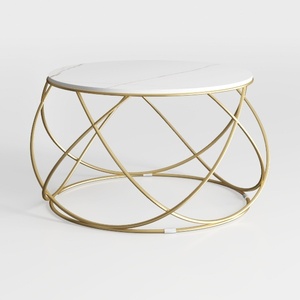
LITTLE TREE Modern White Dining Table for 4, 47-In
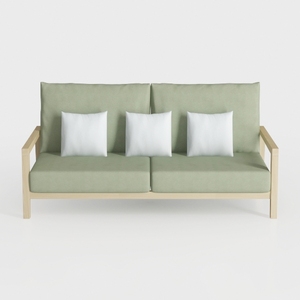
Minimalist Solid Wood Light Green Fabric Loveseat Sofa 3D Model
Homestyler is your go-to online home design platform! With its user-friendly design tool, stunning 3D renderings, and a wealth of DIY video tutorials, you can effortlessly create and visualize your dream spaces. Dive into inspiring design projects and transform your home today!
تصميم الآن مجانا
































