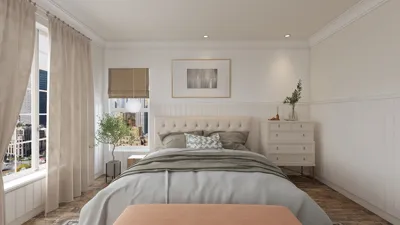


When approaching the design of spiritual spaces, I see it as a delicate ballet of light, proportion, and ritual. A modern home's sacred area does not need to be extravagant; it requires clarity—clear sightlines, controlled lighting, respectful storage for cherished items of faith, and an arrangement that directs the flow from everyday distractions to tranquil reflection.
Design Goals: Creating a Space for Serenity and Ritual
The intended use of a space shapes its design. It should accommodate kneeling, sitting, standing, and small ceremonial actions without overwhelming visual clutter. Research indicates that environments with carefully managed acoustics and minimal distractions significantly enhance focus. Steelcase has found that inadequate acoustics can diminish performance by as much as 66% during complicated tasks, underscoring how sacred areas can benefit from soft materials and sound control. Equally essential is lighting; the IES suggests maintaining ambient illumination levels around 100–300 lux for relaxing activities, enhancing to 300–500 lux for reading scriptures. This moderation supports circadian rhythms and avoids glare.
The psychological effects of color are significant. According to Verywell Mind, blues commonly evoke feelings of tranquility, whites represent purity, and warm neutrals impart comfort—these insights guide my choices, steering clear of high-saturated reds or overly vibrant colors unless they bear specific cultural significance.
Proportions, Movement, and Sightlines
Achieving balanced proportions fosters visual peace. I strive for a harmonious 1:1 or 2:3 ratio from the wall to the altar: the dedicated altar wall should stand out visually yet remain unobtrusive. A clear pathway should be maintained from the entrance to the focal icons or mandir. In smaller spaces, a shallow nook (12–16 inches deep) can contain icons while ensuring traffic flow remains unobstructed. For compact homes, creating a corner alcove with a low base (8–12 inches) allows for comfortable kneeling without blocking pathways.
If you're exploring designs for uniquely shaped rooms or multi-faith corners within shared living spaces, employing a room layout tool can be beneficial for simulating sightlines and movement patterns.
Light: Natural Light, Color Temperature, and Glare Mitigation
I place the main feature perpendicular to major windows to circumvent direct glare onto sacred symbols. For artificial lighting, I combine 2700–3000K warm ambient lights with 3000–3500K focused lighting on the altar. The WELL v2 Light framework emphasizes the importance of control and visual comfort; dimmers enable transitions from day to night rituals without harsh changes. Maintain vertical lighting on the focal wall at roughly 150–250 lux to ensure a quiet ambiance, adding a subtle task lamp for reading purposes. Utilize diffusers or wall washers to minimize shiny reflections on metallic surfaces. Where candles or diyas are present, allocate space for non-flammable trays, supplemented by nearby low-intensity LED lights to ensure visibility without overshadowing flames.
Sound Comfort and Behavior
Soft carpets, cushioned benches, and textured wall panels absorb echo. A target reverberation time (RT60) between 0.3–0.5 seconds is ideal for smaller rooms—achievable by mixing absorptive and diffusive elements. Keep mechanical systems away from the prayer space; even a 40 dBA HVAC hum can disrupt concentration. A straightforward behavior-led principle: position shoes and accessories outside the main quiet area, ensuring a seamless ritual process—remove, store, enter, pause.
Materials: Natural, Resilient, and Easy to Care For
Materials like natural wood, stone, and lime wash are suitable for sacred spaces. I avoid high-gloss surfaces due to their glare-inducing properties. When using incense or oil lamps, select materials that are easy to clean: sealed stone, ceramic, or metal trays placed under flames. For environmentally conscious choices, low-VOC finishes and FSC-certified wood maintain healthy air quality. I dedicate embellishments solely to the altar while keeping surrounding surfaces uncluttered, guiding the eye's rest.
Color Schemes and Symbolic Balance
Color schemes often favor warm whites, light taupe, or soft greys, with accent tones drawn from tradition—such as saffron textiles, deep indigo, or marigold blooms. For windowless spaces, painting the ceiling a shade lighter can create an illusion of height. Use a single bold color minimally on the focal wall or textile; employing two competing vivid colors may disrupt visual hierarchy.
Storage, Safety, and Accessibility for Rituals
Incorporate built-in drawers adjacent to the altar for easy access to matches, incense, prayer volumes, and offerings. Ensure proper ventilation with a quiet exhaust system if flame or smoke is prevalent. Utilize non-slip mats near oil lamps. When children use the space, position flame sources at adult eye level and install locks for safety when not in use. Cable discipline is crucial—route cords behind the altar structure to preserve visual tranquility.
Ergonomics: Comfort, Reach, and Ease
Set seat height between 16–18 inches with a firm cushion for prolonged meditation. Allow 20–24 inches of space in front of the altar for comfortable kneeling. Common reach zones for rituals typically span 28–48 inches above the finished floor; keep frequently accessed items within this area. For family participation, consider a simple adjustable stool to prevent discomfort.
Multi-Faith and Shared Households
Where various traditions exist, divide the altar area into distinct niches, each with its individual lighting. A neutral central section can unify them. Avoid combining ritual implements unless they are universally practiced; instead, designate clearly labeled storage areas to ensure respect for each tradition.
Compact Living and Concealed Sanctuaries
In studio apartments or small settings, a tall cabinet with bi-fold doors can discreetly store a complete mandir. Inside, set up a shallow shelf for icons, with concealed LED lighting at 3000K, and a pull-out drawer for offerings. Acoustic-preserving doors and a small rug can provide sound privacy even in open-concept spaces.
Layout Strategies and Visual Flow
In a narrow room, position the altar against the short wall to create depth and a clear path. In a square room, center the altar and add symmetrical storage on either side for a calming effect. If the room serves as a workspace, a subtle divider can maintain distinct areas—vertical slats spaced 2–3 inches apart allow airflow and soft sightlines while ensuring privacy. Experiment with variations using an interior layout planner before finalizing decisions.
Lighting Management and Evening Rituals
Utilize two circuits for lighting: ambient and accent. Set dimmer switches so accent lighting can be 10–20% brighter than ambient during prayer, then reverse for reading sessions. Smart controls may be suitable if they operate quietly and reliably; tactile rotary dimmers can often enhance the atmosphere more than app-controlled sliders.
Maintenance, Care, and Durability
Regular ash or oil residue demands non-abrasive cleaning products. Keep a microfiber cleaning kit out of sight. If flames are restricted, replace candles with clean-burning oils or high-CRI warm LEDs. Schedule quarterly deep cleaning of textiles to ensure good indoor air quality.
Preparation Checklist
- Define ritual actions and required postures
- Confirm light levels (ambient 100–300 lux; task 300–500 lux)
- Select a calming color scheme with one focal accent
- Choose non-glare finishes and low-VOC materials
- Integrate discreet storage solutions and effective cable management
- Plan for effective acoustics (soft rug, upholstered seating, textured surfaces)
- Explore design options using a room layout tool
- Adjust dimmers for seamless day-to-night transitions
Design Integrity References
For standards on lighting and comfort, I rely on guidance from the Illuminating Engineering Society and WELL v2—see IES standards and WELL Light recommendations at the provided resources.
Further reading: IES lighting standards | WELL v2 Light
Frequently Asked Questions
Maintain ambient lighting between 100–300 lux for peacefulness, with 300–500 lux available for reading. Ensure accent lighting remains gentle—vertical illumination on focal walls should be around 150–250 lux.
Use warm white light, between 2700–3000K for ambiance, complemented by 3000–3500K accents on the altar. This combination preserves warmth without distorting colors on icons and textiles.
Employ diffused wall washers positioned tangentially, avoiding direct exposure. Opt for matte finishes on adjacent surfaces to reduce secondary reflections; keep high-gloss paint from behind the altar.
Non-flammable trays made of stone or metal, sealed stone for altar surfaces, and lime wash or low-sheen paint on walls manage minor residues without streaks.
Incorporate a plush rug, padded furnishings, and textured wall elements. Aim for a shorter RT60 (0.3–0.5s). Maintain HVAC systems away from the prayer area and ensure door seals are tight to limit background noise.
Establish built-in drawers near the altar for smaller items, a shallow cabinet for books, and concealed cable management channels. Keep items regularly used within a 28–48-inch easy-reach zone.
Use a neutral color scheme (warm whites, taupe) with individually lit niches. Each tradition can maintain its own symbols while the collective palette promotes harmony.
Smart controls are not mandatory. Silent dimmers with two lighting circuits (ambient and accent) often feel more intuitive. If preferred, select stable, low-latency smart systems.
Create a shallow alcove with a low base and a screen made of vertical slats to ensure division. Test your layout with a room design visualization tool before implementing it.
Keep seating height around 16–18 inches with firm cushions. Consider adding a knee rest or bolster if kneeling is included in the rituals.
Yes. A tall cabinet with bi-fold doors, 3000K concealed LED strips, and a pull-out tray for offerings can provide hidden storage. Acoustic panels within the doors add sound privacy.
Position flame elements at adult eye level, utilize lockable storage, and add non-slip mats. Store matches and oils in secure drawers for safety.
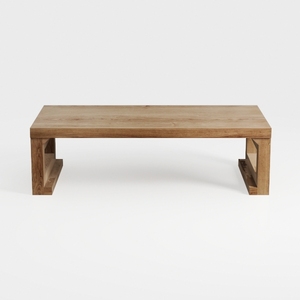
Bed Table Bed Desk Living Room Simple and Creative
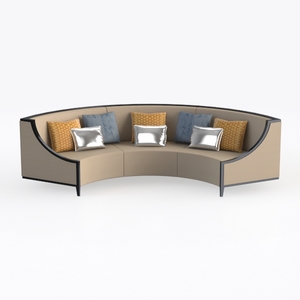
Modern Fabric Curved Sectional Sofa With Decorative Throw Pillows 3D Model
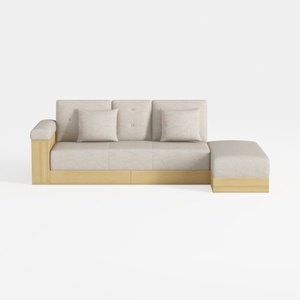
Minimalist Linen Solid Wood Sectional Sofa 3D Model
Homestyler is your go-to platform for innovative home design. With its user-friendly online design tool, stunning 3D renderings, and a wealth of inspiring design projects and video tutorials, you can effortlessly transform your ideas into reality. Start creating your dream space today!
Design Now for FREE
































