


For the past ten years, I have been dedicated to designing compact homes that feel more spacious than their actual size. A small two-story structure can achieve a sense of airiness, versatility, and understated elegance when the elements of circulation, natural light, and storage are thoughtfully planned. In residences under 1,400 sq ft, my focus is on establishing a clear vertical core, selecting soothing color palettes, and incorporating furniture that acknowledges proportions, dimensions, and spatial flow. Utilizing tools like Homestyler can aid in visualizing these aspects effectively.
Making deliberate selections is crucial. The WELL v2 standard emphasizes the importance of daylight and vistas for enhancing well-being; spaces filled with natural light tend to boost self-reported happiness while alleviating eye strain. Recommended lighting levels range from 300-500 lux for typical tasks (according to WELL v2 and IES guidelines). Research from Steelcase indicates that environments promoting varied postures and movement levels contribute to greater comfort and engagement, validating the significance of adjustable work surfaces and micro-zones in smaller homes. I design in accordance with these standards, ensuring that every inch of space serves multiple purposes.
A strategic color palette plays a vital role beyond mere decoration. Studies in color psychology reveal that soft, mid-tone shades can reduce visual strain and make a room appear larger by minimizing stark contrasts. Using accent colors judiciously helps direct attention to vertical surfaces, steering away from clutter on the floor. Complementing these choices with 3000-3500K lighting creates a harmonious balance of warmth and clarity, ensuring that compact spaces feel organized and vibrant rather than constricted.
Design Principles for Compact Two-Storey Homes
Begin with a layered blueprint: the lower level serves public spaces, while the upper level is designated for privacy, all connected through an efficient service core. I prioritize designing staircases that also function as storage solutions or light wells, ensuring sight lines extend diagonally across spaces, and positioning doors to enhance the illusion of depth. In smaller homes, circulation should occupy no more than 8-12% of the floor area; exceeding this threshold can cause rooms to feel cramped.
Layout Moves That Create Volume
On the ground level, merge kitchen, dining, and living areas into one cohesive space using varied ceiling heights or area rugs to subtly define zones without erecting walls. Maintaining a walking clearance of 1.2-1.5 meters between furniture clusters facilitates smooth movement. Implementing sliding or pocket doors offers greater accessibility than traditional swing doors, while built-in storage solutions, set 12-15 inches deep along circulation pathways, provide necessary storage without overwhelming the visual space. For planning and visualizing layouts before finalizing millwork, I often utilize a room layout tool like Homestyler.
Light First: Daylight, Layers, and Glare Control
Natural light is fundamental. Arrange windows in a stacked manner to maximize illumination across both levels, and position stairwells against exterior walls to capture light from upstairs landings. For electric lighting, aim to create a layered system consisting of ambient (recessed or slim surface fixtures at approximately 300-500 lux), task (under-cabinet at 500-750 lux), and accent lighting (wall washers that draw the eye upward). Consistency in color temperature is essential: use 3000-3500K in living areas and 2700-3000K in bedrooms to encourage winding down. To mitigate glare, choose matte finishes and indirect wall lighting that brightens spaces without making them feel smaller. For more detailed performance guidelines, refer to IES standards and insights from the WELL v2 framework.
Stairs as Architecture, Storage as Structure
In smaller two-story homes, staircases can serve multiple functions: a source of natural light, a storage solution, and a buffer for sound. I prefer open risers where codes allow, while opting for solid-stringer designs when privacy may be an issue, allowing for pantry pull-outs or providing space for a powder room beneath. Edges on treads of 10-11 inches paired with rises of 7-7.5 inches offer comfortable usability for all ages. Handrail heights of 34-38 inches provide stability without obstructing views.
Proportions, Rhythm, and Visual Calm
Creating visual rhythm is essential in compact areas. Maintain a consistent datum line, such as the tops of door frames or picture rails, and align cabinetry tops accordingly. For material selection, use a 60/30/10 ratio: 60% light, low-contrast surfaces (walls and ceilings); 30% mid-tone warmth (floors and larger furniture); and 10% high-contrast accents (metals, art, small cabinetry elements). This approach stabilizes the gaze and minimizes the perception of clutter. Hanging drapes from ceiling height visually elevates the space, while slim, leggy furnishings reveal more floor area, giving rooms a more spacious appearance.
Bedrooms and Retreats Upstairs
Reserve the upper level for relaxation and productive focus. Primary bedrooms benefit most from positioning their headboards against the opposite wall of windows or next to them to prevent glare over pillows. Aim for a background noise level of 30-50 dBA for peaceful comfort; utilize soft textiles, upholstered headboards, and door sweeps to enhance acoustics. In compact office spaces or study areas, ensure a surface depth of 24-30 inches, incorporate adjustable task lighting at 500-750 lux, and choose chairs that support neutral posture with lumbar support in the 6-9 inch range—guidelines reinforced by research from Steelcase and ergonomic authorities.
Kitchen Efficiency in Tight Footprints
I advocate for compact work triangles, ideally totaling 12-20 feet in length, and recommending 42 inches of aisle clearance for scenarios involving two cooks, tapering down to 36 inches for solo cooking setups. Utilizing vertical storage solutions with pull-out features, shallow pantries measuring 12-15 inches deep, and integrated toe-kick drawers unlock precious hidden space. Employ matte, reflective backsplashes for enhanced brightness, while under-cabinet lighting mitigates shadowing in preparation areas.
Bathrooms: Light, Air, and Durability
In compact bathrooms, wall-mounted vanities create a sense of openness and ease of maintenance. Opt for large-format tiles to minimize grout lines and visual clutter. A transparent glass shower panel can extend sightlines; if privacy is a concern, consider switchable films or reeded glass to allow light flow. Strive for 50-70 CFM continuous mechanical ventilation or spot ventilation as per local regulations to safeguard finishes in tight spaces.
Material Selection and Sustainability
Select durable, low-VOC finishes to enhance indoor air quality in confined spaces. Look for engineered woods featuring robust wear layers, mineral-based paints, and quartz or sintered stone countertops to balance upkeep and durability. Whenever possible, emphasize the use of FSC-certified wood and high-recycled-content materials. In smaller homes, fewer types of materials, consistently applied, yield better results than an abundance of varied textures.
Acoustics in Open Plans
Sound reverberates more in compact, open layouts. To counter this, layer rugs, incorporate acoustic panels that double as art, and utilize soft window treatments. Bookshelves placed against shared walls add mass and diffuse sound. For living spaces near stairs, I often introduce a half-height storage wall equipped with felt-lined doors to minimize noise transmission while allowing light to flow.
Color Psychology for Spaciousness
Cooler, desaturated colors create a sense of depth, while warm accents foster a feeling of intimacy. Keep trims and ceilings a shade lighter than walls to soften boundaries. In rooms with north-facing light, introducing warmer tones can prevent a gray ambiance, while in south-facing spaces, balancing glare with matte finishes and cooler shades is key. The objective is emotional clarity—creating calm public spaces, inviting corners, and a smooth transition between them.
Circulation, Safety, and Codes
Even in smaller homes, circulation needs to feel ample at critical points, such as thresholds and stairwells. Maintain clear widths of at least 36 inches in hallways and 36-42 inches around dining tables. Anticipate future adaptability by blocking for grab bars in upstairs bathrooms and providing at least one closet designated for a potential elevator installation.
Storage that Disappears
Capitalize on vertical and concealed storage options: drawers beneath window seats, niches in headboards, wardrobes beneath staircases, and tall kitchen cabinets with uniform fronts. Utilize flush pulls and continuous reveals to maintain a sleek envelope. I typically aim for a storage quota of 12-15% of the total floor area in smaller homes to prevent clutter from invading living spaces.
Outdoor Connections
Micro-terraces at stair landings or Juliet balconies in bedrooms can enhance both perceived and actual space while improving airflow. Ground-level sliding doors with low thresholds create a seamless transition between indoors and outdoors. Using similar flooring tones in both areas can amplify the sense of continuity.
Sample 2-Storey Small House Layout Strategy
Ground Floor: Entryway featuring a built-in bench and shoe storage; streamlined kitchen incorporating an island; dining area adjacent to a window wall; a living room anchored by a low-profile media console; powder room tucked under the stairs; utility area combined with a pantry. Upper Floor: Primary bedroom with wall-length wardrobe; a compact second bedroom or a versatile office space; shared bathroom with skylight; laundry closet positioned near the bedrooms for efficient circulation.
Before finalizing millwork, it’s smart to conduct quick tests using a layout simulation tool like Homestyler to verify clearances, lighting distribution, and furniture dimensions. This iterative process can result in unexpected improvements, such as repositioning a dining table to align with window frames for enhanced flow.
Fine-Tuning Light and Heat
Utilize cellular shades or light-filtering roller blinds to manage glare while maintaining light levels. Low-e glazing and exterior shading on west-facing walls help avoid late afternoon heat spikes. When ceiling heights allow, a small light shelf can reflect sunlight further into the living space, illuminating upper-level corridors.
Budget-Smart Upgrades
Invest in areas where touch and long-lasting quality are paramount: staircases, flooring, and kitchen hardware. Consider economizing on painted millwork rather than opting for exotic veneers, and standard-size appliances that can seamlessly integrate into built-in spaces. LED lights with high Color Rendering Index (CRI) ratings (90+) may be pricier at first but offer superior color accuracy and reduce eye strain over time.
FAQ
To foster expansive sightlines, keep furnishings low and airy, allow walls to be washed with light to elevate the outer confines, and align doorways thoughtfully. Utilize a large area rug to unify distinct zones while ensuring 1.2-1.5 meters of unobstructed circulation.
For general living spaces, target ambient lighting of 300-500 lux, with task areas illuminated to 500-750 lux. Bedrooms should feature a softer glow, approximately 150-300 lux ambient. Consistently maintain color temperatures of 3000-3500K in common areas and 2700-3000K in bedrooms.
Open risers can be utilized where building codes permit and privacy is respected. They allow for light passage and diminish visual weight, although solid risers frequently offer better acoustic separation and storage capabilities.
An efficient kitchen can be designed in a single-wall or L-shaped configuration with a 36-42 inch aisle, incorporating integrated pull-out features and under-cabinet lighting. Maintain the work triangle within a total distance of 12-20 feet.
Employ mid-value, low-contrast color schemes to minimize visual interruptions. Ensure ceiling and trim colors are slightly lighter than the walls, placing darker accents vertically to enhance the perception of height.
Incorporate dense underlay beneath flooring, add area rugs and soft furnishings, and utilizing the stairway as a sound-buffered element with storage possibilities underneath. Ensure gaps at doors are sealed, and fitting felt bumpers on cabinetry can aid in noise reduction.
Aim to dedicate 12-15% of the floor area to hidden storage in compact homes. Focus on tall, shallow closets and under-stair spaces before considering free-standing options.
Choose low-VOC paints, robust engineered wood with resilient wear layers, and quartz or sintered stone countertops paired with matte finishes to mitigate glare. Select durable hardware constructed from solid metal to ensure long-lasting performance.
Absolutely. A room design visualization tool can assist in assessing clearances, furniture dimensions, and lighting placement virtually, significantly reducing expensive on-site alterations.
Prioritize upgrading lighting (high CRI LEDs), cabinet hardware, and incorporate built-in storage solutions. Maintain standard appliance sizes and invest in durable flooring materials.
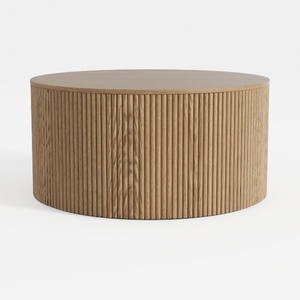
Minimalist Fluted Solid Oak Round Coffee Table 3D Model
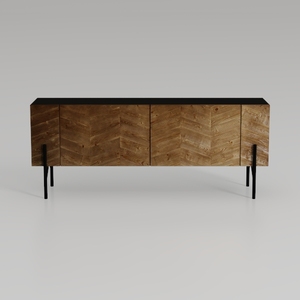
Modern Chevron Solid Wood Metal Sideboard 3D Model

Fluted Storage Cabinet, 31.5“ Wooden Sideboards
Homestyler is your go-to online home design platform! With an intuitive design tool, stunning 3D renderings, a wealth of design projects, and helpful DIY video tutorials, it empowers you to create beautiful spaces effortlessly. Start your design journey today!
Design jetzt kostenlos
































