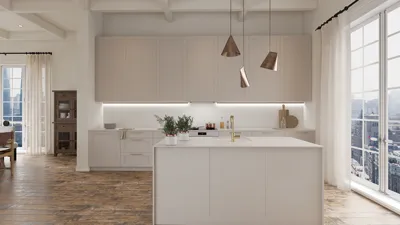


I create compact homes that are designed to feel spacious rather than restricted. A loft bedroom is a key element in this design approach: it enhances usable vertical space, delineates between private and communal areas, and allows natural light to permeate further into the layout. Ultimately, the success of such designs hinges on managing light, ensuring ergonomic flow, promoting movement, and selecting materials that enhance the feeling of space, all of which can be easily planned using a tool like Homestyler.
Evidence consistently supports the necessity of meticulous planning. The WELL v2 Light concept suggests achieving a minimum of 150–300 lux for general indoor activities, utilizing adjustable strategies to nurture circadian rhythm; homes that adhere to these standards offer improved visual comfort and lessen eye strain. Research from Steelcase correlates environmental control—especially regarding lighting and sound comfort—with enhanced well-being and job satisfaction, demonstrating tangible benefits when people can adjust lighting and noise levels. This knowledge influences how I determine window sizes, arrange fixtures, and incorporate sound-absorbing materials to maintain tranquility in smaller spaces.
Key Principles for Designing Loft Bedrooms
The foundation of a functional loft lies in its proportions. Ideally, the primary floor should have a ceiling height between 9–10 feet; this allows for a loft with a comfortable headroom of 6'8"–7'2" without crowding the living area below. I ensure efficiency in loft floor thickness (8–10 inches with sleek joists or steel beams) and employ open railings to keep sightlines clear. For stair configurations, I recommend compact stair types—like alternating tread or U-shaped designs—which balance safety with space requirements; while ladders may appear charming, they often fall short in daily ergonomics.
When arranging furniture below the loft, I plan a clear circulation path of 36 inches from the entry to the kitchen and living areas, alongside a 42-inch working aisle in the kitchen as per NKBA recommendations for essential functionality. If you're exploring designs, utilizing a room layout tool like Homestyler can help visualize traffic patterns, sightlines, and light exposure before making any structural commitments.
Managing Light and Views in Small Spaces
Natural light acts as a potent enhancer in compact homes. I prioritize incorporating tall, narrow windows on the main floor to draw light in and a roof window or clerestory near the loft to allow for sky views. To minimize glare, task lighting is designed following IES standards: ambient lighting that diffuses, coupled with localized reading lights at 300–500 lux in the loft, alongside dimmable fixtures to transition smoothly from evening relaxation to morning brightness. Utilizing blackout shades for the loft and solar shades below enables layered control of light without cluttering the visuals.
Safety and Ergonomics in Loft Designs
When spaces are limited, human factors become even more crucial. Guardrails should reach a minimum height of 42 inches for adult residences, with baluster spacing compliant with safety codes to prevent accidents. Including a landing at the stair turn provides a safer stopping point, while tread depths of 10–11 inches with uniform risers ensure a comfortable ascent. For convenience at the bedside, a side clearance of 22–24 inches coupled with an accessible switch or sconce eliminates the need to lean over guardrails in the dark, significantly improving safety.
Zoning and Acoustic Comfort
Loft spaces can be sensitive to sound. To ensure a sense of privacy in the bedroom, I incorporate soft finishes such as wool rugs, padded headboards, and acoustic panels along the stair wall. A modest NRC 0.70 panel array beneath the loft deck helps manage sound reflections in the living area. In open layouts, utilizing curtains or slatted screens near the loft edge can dampen sound transmission without extensive construction; paired with a white-noise fan, these elements create a noticeably quieter sleep environment.
Sustainable Material Choices
Materials should serve dual purposes: lightweight aesthetics combined with robust performance. Using pale oak or ash flooring enhances sightlines; matte finishes help reduce glare, while low-VOC paints promote healthier indoor air quality. I often opt for engineered wood joists for their stability and recycled PET acoustic panels for the loft underside. Compact kitchens benefit from durable quartz composites paired with integrated pulls to minimize visual disorder. In moisture-prone areas under the loft, employing cementitious backing and ensuring proper ventilation for the home's volume prevents moisture issues in sleeping spaces.
Effective Loft Bedroom Designs
- Perch Loft: A half-sized loft situated over the kitchen or entryway maintains a lofty ceiling in the living area. A bed or daybed can fit comfortably alongside storage solutions.
- Full-Span Loft: Extends along the home's length with a central staircase, ideal when skylights or clerestories ensure adequate daylight penetrates below.
- Studio Hybrid: The loft area serves as a sleeping space; the floor below adapts into an L-shaped living and dining area with a cozy office nook. Using an interior layout planner can help confirm adequate space around the desk and dining areas with pull-out features.
Understanding Color Psychology in Limited Areas
Colors can alter perceptions of space. Soft, restful tones (light blues, muted greens) tend to encourage a sense of calm and openness, while warmer accents add intimacy. Keeping the ceiling a shade lighter than the walls visually elevates the space. A singular vibrant color—like the stair stringer—adds character without making the room feel smaller. In the loft, subtle palettes with contrasting task lighting enhance readability at night while maintaining a tranquil atmosphere.
Efficient Storage Solutions
Utilizing under-loft spaces for built-in storage is highly advantageous. I create 12–14-inch-deep bookshelves and wardrobes measuring 18–24 inches deep, with ventilated backs. Toe-kick drawers enhance capacity for base cabinets; a bed platform with drawers eliminates the need for additional dressers. Vertical storage along the stair wall can function as a guardrail, while shallow niches at stair landings are perfect for holding keys and devices—simple strategies that help keep surfaces organized and free of clutter.
Achieving Optimal Ventilation and Thermal Comfort
Heat naturally rises, and loft areas are prone to capturing warm air. Installing a ceiling fan set to summer mode (counterclockwise) helps circulate air, while designing operable windows at lower levels creates a stack effect with loft vents. If using mini-split systems, position the head unit on the main floor with a transfer grille leading to the loft, thus avoiding excessive cooling upstairs. Employing night ventilation strategies—such as opening high vents post-sunset—profoundly aids temperature management in dry environments.
Intelligent Lighting Solutions
Layering lighting controls grants adaptability: at least three circuits—ambient, task, and accent—should all feature dimmers. In the loft space, a warm light temperature (2700–3000K) is optimal at night to foster relaxation, while a cooler tone (3500–4000K) in the mornings awakens the senses, in adherence with WELL v2 circadian guidelines. Motion sensors installed on stair treads enhance safety without illuminating the entire home. To avoid clutter from remote dimmers, opting for sleek wall controls at the base of the stairs and bedside is recommended.
Thoughtful Detailing: Elevating Smaller Spaces
I treat compact houses with the same attention to detail as fine cabinetry. Flush baseboards, concealed door tracks, and recessed handrails enhance sightlines. In areas where solid guardrails would obstruct views, I prefer slender steel frames with cables or vertical slats to sustain depth perception. Built-in bedside shelves keep lamps off counters; a single, continuous shelf at the loft's edge can transform the guardrail into an area for display and storage without adding visual weight.
A Structured Planning Process: From Idea to Framing
- Begin with a vertical section to confirm headroom, stair dimensions, and window placements.
- Model early furniture placement to ensure 36-inch clear paths and 42-inch kitchen aisles.
- Assess lighting at work surfaces to meet the recommended 150–300 lux standards and minimize glare as advised by IES.
- Utilize a design visualization tool like Homestyler to iterate stair positioning and optimize sightlines near the loft.
- Finalize acoustic and ventilation features before applying finishes, as retrofitting can be challenging in tight spaces.
References for Authority
For extended insights into workplace-related environmental factors and human comfort applicable to residential design, check the research provided by Steelcase. Additionally, for wellness-oriented lighting approaches and circadian strategies, refer to the WELL v2 standards.
Frequently Asked Questions
Aim for a clear height of 6'8"–7'2" above the finished floor. The main level should maintain a ceiling height of 8'6"–10' to prevent a cramped atmosphere in the living space.
A U-shaped stair with a landing provides good ergonomics in confined designs. Alternating tread stairs can be space-efficient but necessitate careful, consistent use.
Utilize ceiling fans and operable windows positioned for stack ventilation, and place HVAC heads on the lower level with transfer grilles for temperature balance.
Ensure reading areas have 300–500 lux, featuring dimmable warm lighting (2700–3000K) at night and slightly cooler lighting (3500–4000K) in the morning to support circadian comfort.
In extremely small, occasionally used areas, it may be feasible but regular use favors a stairway equipped with appropriate treads and a handrail for safety and convenience.
Inbuilt wardrobes measuring 18–24 inches deep, shallow shelves at 12–14 inches, and toe-kick drawers beneath cabinets optimize capacity without overcrowding.
Limit partial-height soffits to essential areas, maintain transparency in balustrades, and introduce skylights or clerestories to encourage deeper daylight penetration.
Incorporate high-NRC panels beneath the loft deck, add soft furnishings within the sleeping area, and consider slatted screens or curtains along the loft's extremity to mitigate noise.
Light, neutral colors enhance perceived volume; keep ceilings a tone lighter than the walls and reserve bold color choices for focal elements.
Preserve a 36-inch clear space in living areas for ease of movement; kitchens particularly benefit from 42-inch wide aisles for ergonomic efficiency.
No, if layered with solar shades below; use individual controls to ensure that sleep needs upstairs dont interfere with daylight in the living area.
Building codes may differ locally; many permit open sleeping lofts if guardrail heights, egress, and smoke alarm placements comply with regulations—be sure to verify local codes.

Modern Solid Wood Brass Accent Single Drawer Coffee Table 3D Model
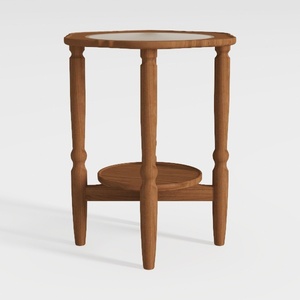

HOOBRO Small Round Side Table with Charging
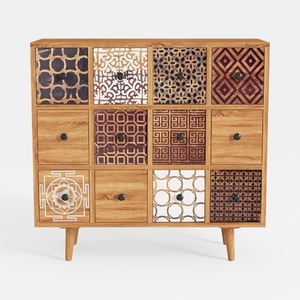
Best Choice Products 9-Cube Storage Organizer
Homestyler is your go-to platform for transforming your home design dreams into reality! With its user-friendly online design tool, stunning 3D renderings, and a wealth of inspiring design projects and DIY tutorials, creating your perfect space has never been easier. Dive in and start designing today!
Zaprojektuj teraz za darmo
































