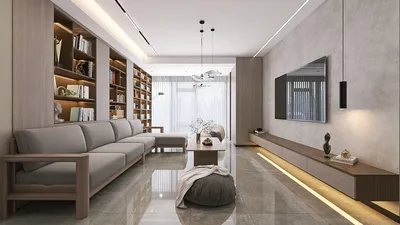


I specialize in designing compact cabins that exude a sense of spaciousness while maintaining the warmth and charm synonymous with traditional log homes. Although space is limited, it serves as a catalyst for refined planning, enhanced circulation, and considerate nuances that facilitate daily functioning. When square footage becomes constrained, factors like scale, illumination, and arrangement play a critical role in optimizing the environment. Incorporating tools like Homestyler can further facilitate this design process.
Fundamentals of Designing Space-Efficient Log Cabins
The efficiency of space begins with understanding human behavior. In typical homes, circulation can occupy 8 to 12% of the floor space; in compact cabins, I aim to reduce this to 6-8% through simplified axes, sliding doors, and adaptable thresholds. Lighting is equally essential, utilizing a combination of ambient, task, and accent layers to minimize visual clutter and enhance room clarity. The WELL v2 standards recommend using task lighting at 300–500 lux for household activities, managing glare with diffusers. Color choices can create a sense of spaciousness; soft neutrals with low chroma lessen visual interruptions, while bold accent colors can draw attention to significant features. Research from Verywell Mind indicates that cooler tones impart tranquility and a sense of expansiveness as backgrounds, whereas warmer tones help define social areas.
Understanding behavior informs design priorities: a cabin meant for weekend gatherings necessitates a larger social area and versatile sleeping arrangements; a full-time micro-homestead focuses on storage, natural light, and sound management. I typically allocate space as follows: 45–55% for communal areas such as living, dining, and kitchen; 20–25% for sleeping quarters; 10–15% for bathrooms and utilities, with the remaining dedicated to storage and movement paths. If you're exploring layout alternatives, utilizing a room layout tool can help visualize flow and spatial dynamics before construction: room layout tool. For additional evidence-based design standards, the WELL v2 lighting recommendations and Herman Miller's insights into user-centered workspaces emphasize how sightlines, glare regulation, and ergonomics influence comfort and efficiency in limited spaces.
Effective Plan Typologies for Limited Spaces
When working with narrow footprints of 400 to 800 square feet, I often evaluate three basic designs: the linear bar, the L-shaped layout with a light court, and the split-volume loft. The linear bar design is appropriate for slender sites, stacking functions along one wall that receives daylight; pocket or barn doors can streamline circulation. The L-shape configuration fosters a deck or micro courtyard, drawing sunlight deep into the interior while creating a sheltered outdoor area. The split-volume loft introduces vertical space; compact stairs with a 26–28° angle lead to sleeping or storage areas, keeping main floors open for social interaction. Ensure guardrails and sightlines contribute to an airy feel; target a rail height of 36–42" with balusters spaced according to local regulations.
Optimizing Layouts: Circulation Paths, Sightlines, and Zoning
Compact cabins excel through unambiguous zoning. Position the kitchen along one wall with 48–60" of uninterrupted counter space, and incorporate a slim island or drop-leaf table for preparation, dining, and project activities. Opposite, anchor the living space with a lengthy wall to accommodate a sofa (72–84") alongside storage solutions. Aim for diagonal sightlines across the layout, placing windows strategically to maximize views. Maintain clear pathways of no less than 36"; in the kitchen, 42" is ample for a single cook, while 48" accommodates two, without infringing on living space. For refining various options or simulating movement flow, an interior layout planner is invaluable for assessing furniture clearances: interior layout planner.
Illumination: Expanding Perception in Compact Areas
I incorporate three tiers of lighting: ambient dimmable light at 150–200 lux, task lighting at 300-500 lux per WELL v2 guidelines, and accent lighting at 75-150 lux to instill depth. Wall grazers highlight log textures, and bouncing uplights off the ceiling enhances perceived height. Maintain consistent color temperatures (2700–3000K for living spaces) while avoiding high-glare fixtures; indirect lighting softly outlines structural beams. According to IES standards, managing glare and ensuring uniformity is essential—quality optics supersede mere fixture quantity in confined areas. For lofted spaces, installing linear LEDs along guardrails offers gentle night illumination without cluttering the ceiling.
Integrating Storage with Structural Design
Effective storage should remain out of sight until needed. I design for 10–15% of the floor area to be concealed storage: tucked under stairs, within bed platforms featuring lift-up compartments, and above-door cabinets. Between log posts, create shallow niches (4–6" deep) for books and equipment, complemented by sliding doors for visual tranquility. Entryway benches with liftable tops can store boots and tools, while bathrooms feature recessed medicine cabinets and slim linen towers to optimize floor space. Opt for soft-close hardware to maintain acoustic comfort.
Materials: Achieving a Balance of Warmth, Durability, and Eco-Friendliness
Logs offer thermal mass and character; combine them with breathable materials such as wool or cellulose insulation and vapor-open membranes alongside low-VOC finishes. Flooring can consist of wide-plank engineered wood or dense cork, both comfortable underfoot and accommodating seasonal changes. For moist areas, explore tadelakt or lime-based plasters for moisture resistance without relying on harsh chemicals. Select fixtures and textiles with high durability scores and removable covers, as life in a cabin can be demanding. When upkeep is a concern, choose UV-stable finishes and implement rain-screen designs to safeguard log integrity and joints.
Achieving Acoustic Comfort in Small Spaces
Compact cabins can amplify sound; I strategically add soft materials to absorb noise: area rugs with felt backing, fabric-wrapped panels at reflective surfaces, and acoustic battens behind feature walls. In lofted structures, using a perforated wood soffit with acoustic backing helps reduce reverberation. Ensure mechanical systems operate quietly by isolating pumps and HVAC units from sleeping areas and selecting low-sonance bath fans. Balance absorption with diffusion to avoid areas with stagnant sound; the texture of logs naturally diffuses mid to high frequencies.
Prioritizing Ergonomics and Human-Centric Design
In compact designs, prioritizing ergonomics is beneficial. Ideal seat heights range from 17–18", countertops at a height of 36", and work surfaces should be between 28–30" for seated tasks. Ensure at least one seat per room has back support and armrests. Lighting controls should be positioned 42–48" above the floor, while outlets that are 16–18" high minimize bending. In lofts or bunk areas, maintain a head clearance of 36–40" above the mattress to avoid disturbances and design steps or ladders with a depth of 10–11" for comfort. These slight modifications enhance user comfort and improve daily routines.
Creating Outdoor Living Spaces
Porches and decks extend the functional living area. A covered porch (6–8' deep) can serve as a location for dining and relaxing while ensuring a spacious feel; align windows to provide visual continuity between indoor and outdoor spaces. Employ operable screens and wind breaks to extend usability during shoulder seasons. Where possible, orient outdoor gathering areas to maximize winter sunlight and summer shade; the L-shaped layout can create a pocket terrace serving as an additional living area.
Emerging Trends for Small Log Homes (2024–2025)
Current trends emphasize versatile, multipurpose spaces that can serve as work, hospitality, and retreat zones. I observe that compact cabins are integrating flexible furniture, like wall beds and folding desks, biophilic design elements, and smart technology (such as concealed mesh Wi-Fi and intelligent lighting systems). Insights from research conducted by Steelcase and Herman Miller underline how offering choice and control enhances well-being; in cabin settings, this translates into adjustable lighting, movable furniture, and distinct micro zones that accommodate various tasks throughout the day.
Energy Efficiency, Ventilation, and Comfort
In smaller structures, precise ventilation is crucial. Aim for a minimum of 0.35 air changes per hour, utilizing heat recovery systems in colder climates; incorporate trickle vents and operable windows for optimal comfort during transitional seasons. Adopt zoned heating solutions, including a high-efficiency stove paired with a mini-split system, to ensure balanced and responsive heating. Place air returns high in lofts to encourage heat circulation and include ceiling fans with reversible motors for gentle airflow.
Example Plans for 480, 640, and 800 sq ft
A linear plan featuring loft sleeping areas. It includes one bathroom, a galley-style kitchen, an island, and a built-in sofa wall with integrated storage. The loft ladder features 10" treads; the bathroom is compact with a sliding door and a 32" shower.
An L-shaped design that incorporates a porch courtyard. It includes one bedroom on the main level, loft storage or a guest bunk, a U-shaped kitchen with a 48" aisle, a cozy dining nook by corner windows, and a small mud bench at the entryway.
A split-volume layout showcasing a spacious loft bedroom, a full bath alongside a powder room, a flexible space for an office or storage, a wider stair (36"), a pantry closet, and a covered deck oriented towards scenic views.
Common Mistakes to Avoid in Cabin Design
Be cautious of excessive lighting that causes glare, over-furnishing with small pieces, and decentralized storage solutions. Steer clear of excessively deep overhangs that obscure winter sunlight or placing mechanical systems in ways that transmit noise into sleep quarters. Ensure pathways remain uncluttered, and avoid intricate trims that can conflict with the natural beauty of log grain.
Frequently Asked Questions
Utilize long sightlines, maintain consistent color temperature, and arrange windows diagonally to create expansive views. Keeping furniture low and uniform rather than using multiple smaller items helps increase perceived space, while bouncing indirect light off ceilings can elevate the space visually.
For optimal illumination, target task lighting in the range of 300–500 lux, as recommended by WELL v2 guidelines. Incorporate dimmable ambient lighting at 150–200 lux and avoid bright downlights; instead, use diffusers or indirect methods to control glare effectively.
Certainly, provided the stair or ladder is designed for comfort and storage is well integrated. Lofts open up the main floor for social interaction and enhance vertical proportions. Ensure guardrail heights adhere to safety standards and plan for low-glare night lighting.
Blend the diffusion effects of log textures with strategic absorption methods, such as rugs, fabric panels, and acoustic backing on wood slats. Isolate mechanical elements and select soft-close hardware to mitigate noise levels.
Consider a linear or narrow galley kitchen, ensuring a 42" aisle for a single cook. Guarantee that there’s 48–60" of continuous counter space, integrated appliance panels, and a slim or drop-leaf table for adaptable seating and kitchen tasks.
Opt for UV-stable finishes on exteriors, breathable membranes, and robust low-VOC interior paints. Engineered wood or cork flooring effectively withstands seasonal changes and lime-based plasters are optimal for humid bath environments.
Dedicate 10–15% of the overall space to concealed storage solutions. Focus on utilizing under-stair drawers, bed platforms, and above-door cabinets to maintain a clean appearance in living areas.
Yes, soft, low-chroma neutrals help decrease visual fragmentation, giving rooms an expansive feeling. Research confirms that cooler tones in backgrounds lend a calm and spacious atmosphere, while warm accents can effectively define social areas.
WELL v2 provides guidelines on lighting and comfort, and insights from Herman Miller and Steelcase link choice, control, and ergonomics to enhanced well-being and productivity—key principles applicable in small cabin planning.
Absolutely. Conceal routers, implement smart dimmers with scene capabilities, and integrate linear LEDs into architectural elements. Maintain visual tranquility by keeping device chargers hidden in drawers or benches.
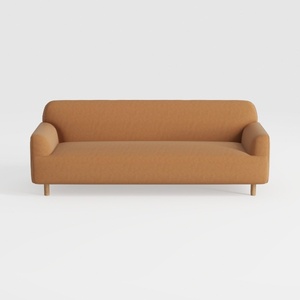
Minimalist Fabric Wooden Legs Sofa 3D Model


Rustic Solid Wood Round Coffee Table With Black Metal Legs 3D Model
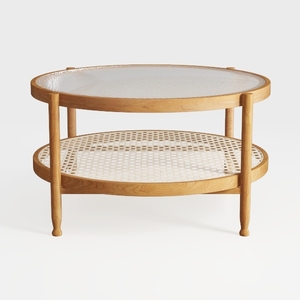
Minimalist Oak Rattan Glass Top Round Coffee Table 3D Model
Homestyler is your go-to online home design platform! With its user-friendly design tool, stunning 3D renderings, and a plethora of DIY video tutorials, you can easily create and visualize your dream space. Transform your home design ideas into reality effortlessly!
Concevez maintenant gratuitement
































