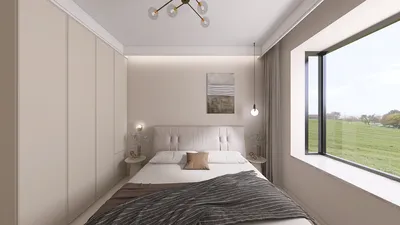


I once had a client emphasize that their reception area needed to exude an essence of ‘confidence’ — they even requested a specific scent. This seemingly minor detail highlighted how small elements can significantly affect perception, reinforcing why I find that smaller law firms often yield my most intriguing design ideas: limitations breed creativity. If you're curious about how a completed layout can be perceived in a practical context, take a look at this visual example of the design.
1. Timeless wood tones paired with contemporary accents
I enjoy the combination of warm wood surfaces alongside brass or matte-black fixtures; this arrangement conveys authority without feeling outdated. The benefit is an instant warmth and inherent trustworthiness — however, wood finishes do wear over time, so selecting durable veneers and protective coatings is essential for longevity.
save pin
2. Glass partitions with privacy enhancements
Using glass creates an open and inviting office environment for clients, while privacy films provide discretion where necessary. This is a clever strategy I implemented in a 600 sq ft firm: open transparency for the shared workspace, with frosted sections for client meeting areas. Economically, these films are more affordable than completely frosted glass and are straightforward to update.
save pin
3. Bespoke shelving that serves dual purposes
Custom-designed shelving can conceal case documents while also subtly showcasing credentials, forming a professional backdrop for discussions. I often create detailed layout templates to assess sightlines and shelf depths alongside real binders and items — this approach helps prevent awkward gaps and optimizes vertical space. The main consideration is timing: integrating built-in solutions requires early planning to avert costly adjustments later.
save pin
4. Layered lighting alongside thoughtfully curated artwork
Proper illumination makes a space feel both professional and approachable. I suggest a combination of warm downlights, flexible task lights, and a striking pendant fixture in the reception area. Incorporating artwork can add a human touch to a legal setting; one client swapped traditional law-themed prints for local photography and noticed clients spending more time in the space. Ensure that wiring and control zones are straightforward for maintenance purposes.
save pin
5. Adaptable meeting nooks focusing on confidentiality and comfort
Not every discussion requires a large conference room. I design flexible spaces with modular seating and acoustic panels that can quickly transform into private or semi-open arrangements. For forward-thinking firms, integrating a Homestyler concept early in the design phase can help assess furniture layouts and sound profiles before making purchases. These smaller nooks are cost-effective but require well-considered acoustics and seating choices.
save pin
FAQ
Q1: What colors are best suited for a law office?
I typically suggest a neutral palette featuring warm greys, deep blues, and wood tones, as they create a professional feel and age gracefully. You can introduce accent colors through textiles or artwork for a contemporary flair.
Q2: How can I make a small reception appear more spacious?
Utilize light-reflective materials, strategic mirrors, and low-profile furnishings to enhance perceived space. Glass partitions also help in maintaining clear sightlines while distinguishing different areas.
Q3: Are custom-built shelves a worthwhile investment?
Yes, especially if you require long-term storage and a unified aesthetic; while they come with a higher initial cost, they save on potential future renovations and enhance organization. Design them to have adjustable shelves to accommodate various file sizes.
Q4: How can I strike a balance between privacy and an open-office layout?
Combine open workspaces with private alcoves, utilizing acoustic panels, rugs, and plants to absorb sound. Frosted glass or drapes provide immediate visual privacy without requiring substantial structural changes.
Q5: What is the ideal lighting for client meetings?
Layered lighting is most effective: a mix of ambient, task, and accent lights allows for control over the atmosphere and visibility. Warm LED temperatures (around 3000K) are recommended to promote a welcoming ambiance.
Q6: Any ergonomic suggestions for lengthy client meetings?
Opt for chairs with lumbar support and ensure tables are at accessible heights; proper ergonomics minimizes fatigue and keeps conversations focused. Adjustable chairs are a smart investment that greatly benefits both clients and staff.
Q7: Where can I locate dependable accessibility guidelines?
Consult the ADA Standards for Accessible Design for detailed requirements regarding accessibility (https://www.ada.gov/2010ADAstandards_index.htm). These guidelines provide precise dimensions and clearances to help prevent costly errors.
Q8: Is it possible to test layouts before proceeding with renovation?
Certainly—using mockups, cardboard models, or basic 3D visuals can validate flow and dimensions prior to finalizing decisions. I always recommend conducting a visual test to address sightline or circulation concerns at an early stage.
save pin
Looking to transform your space? Homestyler is your go-to online home design platform! With its user-friendly design tool, stunning 3D renderings, a wealth of design projects, and helpful video tutorials, you can effortlessly create and visualize your dream home. Start your design journey today!
Design Now for FREE
































