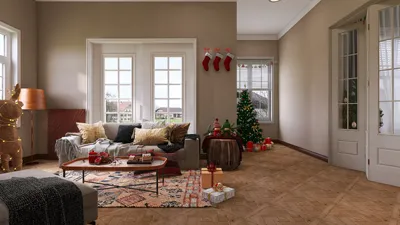


Navigating the design of a small living room featuring double-height ceilings can present a unique combination of elegance and challenge. The soaring vertical space creates a dramatic ambiance, yet the limited floor area requires careful consideration. Achieving the perfect harmony of scale, lighting, and materials can transform what initially appears to be excessive height into a valuable design asset, especially with tools like Homestyler that help visualize these concepts.
Double-height areas significantly benefit from natural light; however, excessive glare and contrast can detract from comfort. The Illuminating Engineering Society recommends a lighting level of about 100–300 lux in living spaces, utilizing layered lighting techniques to balance vertical brightness and mitigate reflections, as per their guidelines. From a wellness perspective, the WELL v2 standards highlight the importance of view quality, circadian support, and sound management—principles that apply effectively to these compact, tall spaces. In my design practice, I typically aim for a foundational ambient brightness of 150–200 lux, incorporating accent lighting that reaches 300–500 lux focused on artwork or shelving, with warmer 2700–3000K color temperatures employed in the evening to facilitate relaxation.
Scale, Proportion, and Vertical Harmony
To avoid a hollow feel in tall spaces devoid of hierarchy, establishing a clear vertical rhythm is essential. This involves creating a defined base zone (such as seating and storage that stands 18–30 inches tall), a midline featuring elements at eye level (including art and trims at 60–66 inches), and a top section (such as pendants and clerestory treatments) that accentuates the ceiling without overwhelming it. Ensuring that tall features are visually supported is key; for instance, a 9 to 10-foot bookcase appears purposeful when accompanied by a streamlined media console and a textured area rug to define the seating arrangement.
Optimizing Lighting: Comfort through Layering
In the context of compact high-ceiling rooms, I categorize lighting into ambient, task, and accent while carefully regulating vertical light flow. Indirect uplighting can serve as ambient light, using techniques like cove LEDs or semi-flush fixtures that reflect off the ceiling to minimize harsh contrasts. Task lighting should be human scale, utilizing floor lamps over specific seating and table lamps with a warmer 2700–3000K tone for evening use. Accent lighting can include narrow-beam wall washers or picture lights designed to draw the eye upwards strategically. Introducing a dimming hierarchy allows the space to transition effortlessly from bright daytime illumination to cozy evening tones without harsh contrasts.
The Psychology of Color and Material Selection
Color has the potential to either compress or expand the perceived dimensions of a room. Light, muted shades on the walls help to reflect light efficiently, enhancing the sense of space, while darker colors should be reserved for grounded features and selective vertical highlights. Cool neutrals can create a crisp, clean feel, but to foster a more comfortable atmosphere in living areas, I prefer a slightly warmer palette to avoid a sterile appearance. The insights from Verywell Mind on color psychology resonate with this approach: tranquil blues and greens promote calmness, while warm neutrals contribute to a cozy ambiance without overwhelming visual noise. Additionally, combining matte paint finishes with textured natural materials like linen, oak, and wool can diminish glare and enhance acoustic comfort.
Ensuring Acoustic Comfort in Elevated Spaces
Double-height rooms are prone to echo and sound reverberation. To mitigate this, I adopt a multilayered approach to acoustics: utilizing a dense area rug that covers 60–80% of the seating area, selecting fabric upholstery, employing book spines as casual sound diffusers, and incorporating soft window treatments. If hard flooring and large windows are present, sheer drapery paired with a heavier layer for nighttime use can make a significant difference. Installing ceiling-hung acoustic baffles, particularly in subtle formats like white or wood slats, can effectively control echo while maintaining visual height.
Furniture Size and Ergonomic Design
For compact spaces, it’s crucial to select appropriately sized furniture and ensure clear passageways. I advocate for a circulation space of 30–36 inches around primary seating, with coffee tables positioned at heights between 16–18 inches, allowing 12–18 inches distance from the sofa for easy access. Sectional sofas can fit well if the chaise doesn’t disrupt flow; otherwise, a sleek two-seat sofa paired with two lounge chairs offers versatility while optimizing space. Maintaining seat heights of 16–19 inches and supportive arm designs promotes good posture for various users. Utilizing modular furnishings also allows for easy reconfiguration when hosting guests, without requiring excessive storage space.
Identifying Focal Points: Fireplaces, Media Centers, and Art
In a small double-height room, establishing a standout focal point on the longer wall greatly enhances the design. If a fireplace is present, it’s advisable to keep the surround below 48 inches in height and consider using vertical fluting or light-colored stone to create an illusion of height. When incorporating media, it’s best mounted at eye level and integrated within a cohesive storage and display arrangement, steering clear of stacking screens or tall cabinetry that overcrowd the space. Large art pieces should complement the verticality of the room: two or three vertically aligned works can guide the eye upwards, harmonizing with the seating area.
Windows, Treatments, and Managing Glare
Tall room glazing presents both advantages and challenges for design. To control glare, I recommend layered window treatments—using sheer fabrics for diffusion and side panels for nighttime privacy. A double-track system is beneficial for managing top and bottom panels when there are clerestory windows. For skylights and high windows, reflective films that minimize visible reflectance but still manage solar heat gain can enhance comfort during peak afternoon sun. By integrating daylight sensors with dimming systems, artificial lighting can adjust harmoniously with natural light levels.
Space Planning for Compact Areas
Effective space planning starts with establishing clear sightlines: a direct visual path from the entryway to the focal point, while anchoring seating to enhance that view rather than permitting it to crowd the boundaries of the room. In spaces less than 12 feet wide, it’s best to avoid deep chaises and focus on slim sofas with two swivel chairs that can easily pivot for conversations or TV viewing. Positioning tall storage against a singular wall while gradually reducing its mass with open shelves above closed bases fosters a lighter room appearance. To aid in visualizing various arrangements, utilizing a room layout tool like Homestyler can streamline the design process and simulate circulation and viewing distances effectively.
The Role of Stairs, Mezzanines, and Visual Cohesion
In double-height spaces, stairs can function as sculptural elements. Opting for open risers and slender stringers enhances light flow, but consider incorporating a solid kickboard for privacy underneath the stairs when necessary. If a mezzanine overlooks the living area, vertical wood or slender steel guardrails provide safety while avoiding substantial horizontal elements. Maintaining consistent finishes across levels ensures that the entire volume is perceived as a cohesive design.
Ceiling Designs and Suspended Features
The ceiling serves as a creative canvas in interiors. A simple coffer design or linear wood slats can introduce rhythm and improve acoustic dynamics. Pendant lights should be chosen based on the room's footprint, rather than just the height—consider clustering smaller fixtures at staggered heights or selecting a singular elongated pendant that aligns with the coffee table. Utilizing dim-to-warm LEDs can preserve a welcoming evening atmosphere, and incorporating a ceiling fan with a quiet DC motor can subtly enhance air circulation in elevated spaces.
Strategies for Storage, Reducing Clutter, and Visual Equilibrium
Efficient utilization of built-in storage solutions that align with the architecture is essential in compact spaces. I often implement low storage benches along windows, then transition to open shelving on a single accent wall to avoid overwhelming vertical elements. Concealed cable management for media components helps maintain a tidy appearance. Natural fiber baskets add texture while efficiently concealing remote controls and blankets, ensuring surfaces remain uncluttered.
Sustainability and Material Selection
When designing interiors, it’s vital to select durable, low-VOC finishes along with responsibly sourced wood materials, such as those certified by the Forest Stewardship Council. Using natural fibers like wool, cotton, and linen provides durability and enhances acoustic comfort. Integrating recycled content in rugs and opting for adaptable modular furniture minimises waste over time. Maximizing natural light and utilizing efficient LED lighting systems can significantly reduce energy consumption, while smart controls facilitate lighting adjustments in line with usage patterns.
Styling for Maximum Impact
In double-height rooms, effective styling revolves around moderation and nuanced repetition of elements. I often select two or three materials—such as oak, blackened steel, and textured wool—while echoing an accent color across decorative pillows, artwork, and a singular ceramic item. Incorporating greenery at varying heights, from a small floor tree to trailing plants on mid-height shelves and compact clusters adjacent to windows, adds life and vitality to the space.
Common Design Pitfalls to Avoid
Common mistakes include oversized sofas that obstruct circulation, pendant lights hung excessively high creating a disconnected feel, and placing tall cabinets across multiple walls that add visual weight. Using high-gloss paint finishes can lead to glare issues, and overlooking acoustic considerations can make a bright room feel tiring instead of inviting. Each of these challenges can be addressed by focusing on scale, implementing layered lighting strategies, and selecting soft materials.
Frequently Asked Questions
Aim for an ambient lighting level of 150–200 lux, augmented by layered task and accent lights that reach up to 300–500 lux wherever necessary. This approach aligns with guidelines from the IES for typical living areas, adjusted appropriately for taller spaces to reduce harsh contrasts.
Utilize a color temperature of 2700–3000K for both ambient and task lighting to foster relaxation and mitigate evening blue-light exposure. During the day, pair cooler daylight with dim-to-warm LEDs to ensure smooth transitions from daytime to evening.
To effectively reduce acoustics, implement a large area rug, upholstered seating, fabric window coverings, and bookshelves for sound diffusion, with the potential addition of subtle ceiling baffles or wood slats. These soft, textured materials contribute to lowering reverberation without adding excessive visual bulk.
A streamlined sofa accompanied by two swivel chairs around a modest coffee table promotes good circulation. Maintain a clear pathway of 30–36 inches and avoid deep chaises that inhibit flow. Anchor seating to one focal wall while restricting tall storage solutions to a single side to maintain clarity in the design.
Ensure pendant lights are hung in relation to the seating area rather than the ceiling itself, typically at a distance of 28–34 inches above the table surface or visually centered over the coffee table, using smaller clusters where fitting to match the room’s proportions.
Absolutely—select vertically aligned pieces or a single elongated artwork that resonates with the room's proportions. Position the bottom edge near eye level while employing wall-wash lighting to soften contrasts and establish harmony with the vertical rhythm.
For daylighting control in tall rooms, layer sheer drapery for daytime light diffusion, complemented by heavier curtains for nighttime privacy. Low-reflectance films are also worth considering for large glass surfaces. Synchronizing dimming controls with natural light helps create a cohesive visual experience that reduces strain on the eyes.
Incorporating matte, light-colored walls along with oak, linen, and wool will provide a soft, warm atmosphere. Limit the color palette to two or three primary materials, repeating them at various heights to create a cohesive visual experience throughout the vertical space.
A ceiling fan featuring a quiet DC motor maintains effective air circulation and comfort. Ensure that the drop is positioned appropriately to keep the blades at a functional height while preserving clear sightlines to focal areas.
Install the screen at eye level along with a low console that frames it, supplemented by a limited number of open shelves nearby. Concealing cables and avoiding stacking taller components ensures a balanced aesthetic, keeping adjacent art minimal to maintain visual harmony.
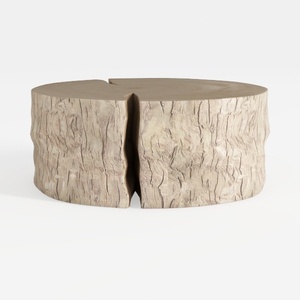
Rustic Solid Wood Split Log Coffee Table 3D Model
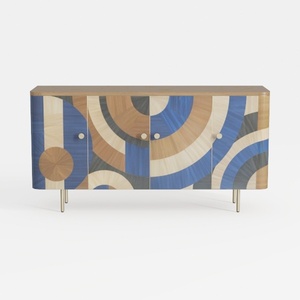
Art Deco Geometric Pattern Solid Wood Sideboard with Metal Legs 3D Model
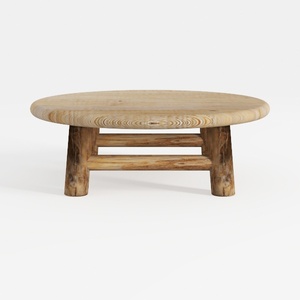

Rustic Solid Wood Round Coffee Table 3D Model
Homestyler is your go-to online platform for effortless home design. With its user-friendly design tool, stunning 3D renderings, and a wealth of DIY video tutorials, you can transform your living space with ease. Start designing your dream home today!
立即免费设计
































