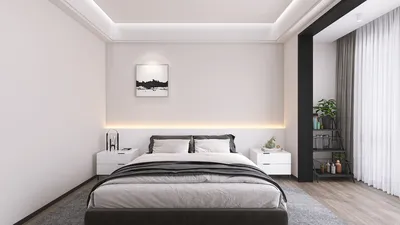


My experience in designing prayer spaces extends to various apartment and villa layouts, ensuring that pooja rooms can be positioned with thoughtful orientation. A south-facing configuration not only enhances elegance but also offers auspiciousness when executed mindfully. The essential aspect is to fine-tune the interplay of light, warmth, and visual equilibrium so that the altar acts as a spiritual centerpiece without overwhelming glare or heat.
Controlling daylight is crucial for creating a serene atmosphere. In many areas, southern exposures provide a consistent sunlight trajectory throughout the day, positively influencing mood and concentration if diffused appropriately. The WELL v2 framework promotes daylight access and glare management, highlighting the connection between well-regulated lighting and cognitive health (v2.wellcertified.com). Research from Herman Miller suggests that excessive glare and visual discomfort can heighten cognitive demands and diminish task performance—something that can be particularly distracting during meditation if light contrasts are too stark (hermanmiller.com/research). To counter this, I employ layered shading and matte finishes near the idol to ensure comfortable lighting ratios.
Selecting the right colors is essential. Warm neutral tones paired with accents of gold create stability within the space, while vibrant reds or bright whites can enhance perceived brightness near south-facing windows. Insights from Verywell Mind on color psychology indicate that intense reds can heighten emotional responses, whereas blues encourage tranquility—hence, it's wise to use reds sparingly and choose deeper blues or soft greens for secondary design elements (verywellmind.com/color-psychology). A soft beige, dove gray, or textured lime plaster can serve as an ideal primary color for the altar wall, absorbing rather than reflecting harsh midday sunshine.
Fundamental Arrangement Concepts for South-Facing Pooja Rooms
I typically position the idol so that those praying face east or north, regardless of the room’s south orientation. This respects traditional alignment while adapting to modern architectural layouts. For those redesigning a compact living space, utilizing an intuitive room layout tool like Homestyler can help visualize altar placement, seating arrangements, and doorway mechanics while maintaining smooth circulation.
The altar should be placed against the most visually unobtrusive wall, shielded from direct southern light. If a dominant south-facing window exists, consider shifting the altar slightly to an angle and using translucent blinds—such as linen, sheer cotton, or handwoven cane—to gently soften incoming light. It's important to maintain a clear space of 900-1000 mm in front of the altar for kneeling or comfortable sitting, ensuring user-friendly design without compromising on storage solutions.
Light: Glare-Free, Devotional, and Timed
While southern light can be exceptionally beautiful, it may also be harsh. Strive for layered illumination: aiming for task-level lighting around 300-500 lux at the prayer book area, ambient levels of 150-200 lux, and accent lighting on the idol kept below 1000 lux to prevent harsh glare and sharp reflections. The Illuminating Engineering Society (IES) advises on managing glare and ensuring appropriate luminance ratios to maintain visual comfort; employing matte finishes on surrounding walls is highly beneficial (ies.org/standards).
Utilizing warm LEDs with color temperatures of 2700-3000K for evening rituals helps to retain warmth during aarti, while 3500K neutral-white lighting is optimal for morning meditations, maintaining a state of alert calm. Shield accent lights with small hoods or deep baffles to block direct views of the light sources. In locations with intense afternoon sunlight, consider adding operable louvers or decorative jali to create a rhythmic diffuse light pattern—both beautiful and spiritually meaningful.
Material Palette: Sacred, Durable, and Easy to Maintain
For the idol, I recommend using a natural stone base—such as Kota, slate, or honed marble—complemented by cabinetry made of oiled teak or ash. Applying matte beeswax or natural oil finishes minimizes glare while aging beautifully. Opt for non-porous, heat-resistant materials in areas designated for aarti; a small inset stone tray for diya placement also helps prevent stains. To support sustainability, seek out FSC-certified woods and low-VOC coatings, creating an environment that smells clean and feels balanced.
For textiles, select materials that diffuse and soften: handloom cotton for curtains, wool-blend rugs for acoustic moderation, and linen runners on the altar for added texture. Metal elements—like brass bells and copper diyas—shine most beautifully against softer backgrounds that absorb light rather than reflect it blindingly.
Spatial Proportions and Visual Harmony
Position the altar to be about one-third the width of the total wall length, establishing a sense of hierarchy that avoids overwhelming smaller spaces. Creating vertical rhythm—with a taller central idol accompanied by lower diyas or potted tulsi—fosters tranquility and symmetry. When storing scriptures and puja essentials, consider concealed drawers below waist height alongside a slim overhead niche for commonly used items; this prevents clutter from obstructing the sightline to the altar.
In smaller homes, a pocket door or light screen can help maintain privacy while allowing airflow. Pay attention to the threshold: a slightly elevated sill or carved wood detail can signify entry into the sacred area. Utilizing an interior layout tool such as Homestyler enables visualization of sightlines from connected living or dining spaces before finalizing decisions.
Acoustic Comfort and Focus on Rituals
A pooja room should resonate with quietude. Should the south-facing side be subject to external noise, incorporating layered acoustic treatments like plush rugs, an upholstered bench, and a heavy curtain over the door becomes essential. Installing small timber battens or cane panels on one wall can help mitigate echo. The goal is to create a soft, non-reverberating environment, allowing chants to resonate clearly and ensuring the space feels intimate even in contemporary, open-plan settings.
Storage, Safety, and Ritual Efficiency
Design a safe niche for incense and diya, ideally lined with stone, and consider a slender brass tray for ash disposal. Matches and lighters should be stored in child-proof top drawers. A covered copper container for water, a discreet bin for floral discards, and a designated shelf for seasonal decor can streamline everyday rituals. Ensure electrical components—like accent lamps and bell chimes—connect via concealed channels with an accessible switch at the entrance, while all wiring is kept safely away from flame areas.
Color Psychology for South Exposure
Use warm neutral tones such as ecru, sand, or mushroom to ground the room, ensuring that southern light brings a sense of calm rather than stark brightness. Incorporate color through textiles and floral arrangements: saffron runners, marigold garlands, or muted indigo cushions work well. A singular deep hue on a secondary wall (like midnight blue or olive) can help temper brightness while avoiding a dreary ambiance. Minimize the use of glossy paints, as they can heighten specular reflections and detract from devotional focus.
Modern Elements Without Compromising Sanctity
Smart dimming capabilities enable seamless transitions from morning japa to evening aarti. Utilizing a low-profile essential oil diffuser, placed safely away from flames, maintains cleanliness in smaller apartments. For those who stream bhajans, concealing the speaker within a lattice niche can diminish visual distractions. While motion sensors can be useful, I advocate for manual controls for rituals; however, soft-close hardware and a quiet door closer can help maintain tranquility.
South-Facing Entry and Symbolic Features
Even within a south-facing pooja room, grounding rituals with symbolism remains vital: position the bell conveniently near the entrance, center the diya forward of the idol to minimize back glare, and feature a simple yantra or calligraphy on the altar backdrop. A pot of tulsi or jasmine positioned close to the south window introduces a gentle fragrance and softens the area’s visual impact. Keep the floor pattern simple—avoiding busy designs—to achieve immediate mental tranquility upon entering.
FAQ
Absolutely. Ensure the devotee faces east or north during prayer times, effectively managing light and warmth to prioritize glare control. Maintaining body orientation honors tradition, even with the room's southern aspect.
Aim for 300-500 lux for reading, ambient lighting of 150-200 lux, and subtle accenting on the idol. For evening rituals, use 2700-3000K lighting and a balanced 3500K for morning clarity, favoring matte finishes to reduce glare.
Implement translucent blinds or decorative jali, select matte backdrops, and consider adjustable louvers to keep the altar out of direct southern light.
Utilize warm neutrals for primary surfaces; select muted reds for accenting and deeper blues or greens on secondary planes to foster a calm ambience, in line with established color psychological principles.
For the altar, consider honed stone, quality oiled wood cabinetry, alongside brass and copper accents, with areas requiring low-VOC surfaces stationed around flame zones.
Ensure approximately 900-1000 mm of clear space for kneeling or comfortable seating, securing unobstructed pathways.
Definitely—utilize smart dimmers, concealed wiring, and discreet audio solutions behind lattice treatments. Keep visible screens out of the altar's direct line of sight.
Layer a comfortable rug, soft furnishings, and heavy curtains. Consider incorporating small timber battens or cane panels to interrupt echo, particularly near hard surfaces.
Adopt a compact wall-mounted altar design with hidden storage, utilize screen or pocket doors, and experiment with options using a room design visualization tool like Homestyler to maintain circulation.
Construct a heat-resistant stone-lined niche, maintaining distance between wiring and any flame sources, while storing matches in child-proof drawers. A brass tray should contain ashes and protect the surfaces from staining.
Integrate plants such as tulsi, jasmine, or small ferns close to the south window to soften illumination and infuse calming scents; avoid oversized pots that encroach on the altar space.
Limit the use of gloss—opting for matte or eggshell finishes on primary walls and altar backgrounds helps prevent harsh reflections and sustain visual comfort.

Natural Rattan Woven Square Ottoman 3D Model

Minimalist Solid Wood Linen Fabric Extra Long Sofa 3D Model
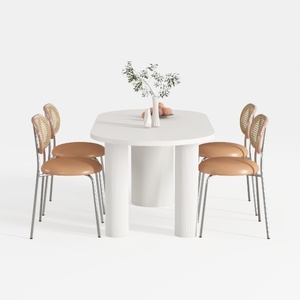
DUOMAY Modern Boucle Dining Chairs Set of 2,
Homestyler is the ultimate online home design platform for anyone looking to refresh their space. With its user-friendly design tool, stunning 3D renderings, inspiring design projects, and helpful video tutorials, creating your dream home has never been easier. Start designing today!
立即免费设计
































