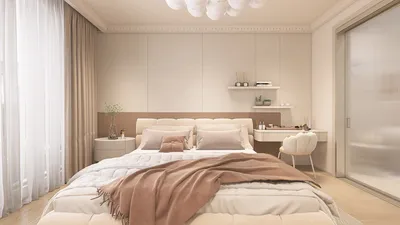


A courtyard can beautifully convert a limited space into a serene, light-filled retreat. With thoughtful design, even smaller plots can achieve privacy, lush greenery, and effective ventilation without compromising usable area. In the compact homes I create, a strategically positioned courtyard often serves as the central hub, providing natural light and social interaction simultaneously.
Measuring space efficiency goes beyond aesthetics. Research from Gensler indicates that natural light significantly enhances workplace effectiveness, thereby influencing overall satisfaction and well-being. The WELL v2 guidelines emphasize health benefits; the Light concept stresses the importance of managing daylight and glare, linking optimized daylight exposure to improved sleep and mood. These insights inform my approach to glazing ratios and shading in courtyard-based homes, enhanced further by tools like Homestyler.
Acoustics are crucial in smaller living spaces. Studies conducted by Steelcase reveal that noise often distracts in densely populated settings, which holds true for compact homes featuring hard surfaces and close quarters. To mitigate this issue, I design the courtyard to function as a green noise barrier—utilizing vegetation, porous materials, and comfortable furnishings to diminish sound reflections and enhance the overall living experience.
Designing the Courtyard as a Spatial Engine
The courtyard should not merely serve a decorative purpose; it should also organize space effectively. I prioritize the courtyard's position at the heart of the design, with living, dining, and circulation areas encircling it. This layout promotes intuitive cross-ventilation and reduces travel distances. In more complex layouts—such as L-shaped lots or narrow urban sites—a room layout tool, like Homestyler, can clarify relationships between spaces and daily movement patterns.
Light Environment: Daylight, Color, and Glare Control
The greatest asset of a courtyard is its ability to harness daylight. I analyze solar angles to avoid excessive sunlight; then, I employ clerestories, high windows, and light wells to distribute light evenly. Controlling glare is essential; adjustable louvers, fine mesh screens, and deep reveals help maintain comfortable luminance levels. The principles of color psychology also play a role—using soft, warm neutrals in living areas promotes relaxation, while cooler shades in workspaces enhance focus. Balancing color temperature with functional needs—2700–3000K for relaxation and 3500–4000K for tasks—creates a harmonious feel throughout the day.
Human Factors: Ergonomics in Compact Living
In small homes, precise ergonomics yield significant benefits. Clearances—900 mm around dining tables, 750–800 mm for main circulation, and 1100–1200 mm at tight spots—facilitate smooth movement. I prefer built-in features with 450 mm deep benches for storage, and optimal counter heights of 900 mm for food preparation and 1000–1050 mm for leaning tasks. Choices such as door hardware, views of greenery from seating areas, and handrail thickness (35–45 mm) collectively enhance comfort levels.
Behavioral Patterns and Spatial Intention
Courtyards shape the patterns of daily life. A garden focal point encourages gatherings for coffee or conversations, while intimate niches allow for peaceful retreats. I incorporate small zones for activities—sunlit reading nooks, shaded dining spaces, and play areas—that create a home resembling a landscape with varied microclimates. The courtyard functions as a carefully arranged stage, with plant height, paving material, and perimeter seating orchestrating social interactions effortlessly.
Acoustic Comfort in Hardworking Materials
In compact spaces, sound often intensifies. I use mineral wool in wall partitions, hang acoustic panels behind décor, and place soft rugs in high-traffic areas to control sound levels. Outdoors, layered landscaping with bamboo, foliage, and shrubs helps minimize noise. Textured perimeter walls, crafted from stucco or timber, smooth sound reflections while porous paving materials soften footsteps. My aim is to create a tranquil core surrounded by liveliness.
Materials & Sustainability
Material selection should emphasize authenticity and longevity. Using lime plaster, thermally modified timber, recycled pavers, and low-VOC finishes ensures a healthy living environment. I favor native plants in courtyards to reduce water usage and enhance biodiversity. Implementing rain chains along with shallow bioswales captures roof runoff, nourishing gardens and cooling the microclimate. Passive shading from deciduous trees protects against summer heat while welcoming sunlight in winter.
Spatial Ratios, Rhythm, and Visual Balance
For small residences, establishing a clear hierarchy is vital. I maintain ceiling heights between 2.6–2.8 m and use higher ceilings (3.0–3.2 m) near the courtyard to define gathering areas. Window-to-wall ratios of 20–30% promote thermal efficiency while offering pleasing views. Repetition—consistent door tops, aligned battens, and uniform sill heights—soothes the visual experience and provides a sense of cohesion in compact rooms.
2024–2025 Design Trends Applied to Courtyard Homes
Current design trends beautifully complement small courtyards, including biophilic elements, integration of quiet technology, and versatile dining-work spaces. I emphasize concealed storage solutions, sleeker profiles, and modular seating arrangements that adapt for visiting guests. Innovations like subtle task lighting, low-glare control systems, and intelligent shading enhance functionality without overwhelming aesthetics.
Planning and Circulation: Practical Layout Moves
In tight spaces, I advocate for single-loaded corridors along the courtyard to ensure continuous light and scenery. Position kitchens for seamless outdoor access, and arrange bedrooms diagonally across the courtyard to maintain privacy. If parking or service areas disrupt flow, a layout planner like Homestyler expedites the process of exploring potential designs.
Real Project Insights
In a recent project on a narrow lot, a courtyard measuring 3.2 m x 4.8 m enhanced both brightness and privacy. Installing a bench along one edge provided informal seating alongside hidden storage. A clerestory window facing south, combined with operable low windows to the north, created effective stack ventilation, reducing cooling demands in the summer months. Mid-tone timber tones helped moderate glare and warmth, while a simple grapevine trellis offered seasonal shading and lovely patterns of shadow.
Checklist: Small Courtyard Essentials
- Centralize the courtyard to maximize circulation and light.
- Implement balanced glazing alongside shading options to manage glare.
- Design micro-zones catering to varied activities and moods.
- Layer soft and permeable materials to foster acoustic comfort.
- Choose native, drought-resistant plants and strategies for passive cooling.
- Maintain consistency in visual rhythm through aligned elements.
- Utilize simulation tools like Homestyler to test spatial arrangements as necessary.
- Choose durable, low-VOC materials for long-term health benefits.
FAQ
Q1: What is the ideal size for a courtyard in a small house?
A: I recommend a size between 12–20% of the overall floor area. Even a 12–15 m² courtyard can provide considerable light, air, and privacy if placed centrally and proportionally designed.
Q2: How can I minimize glare while maximizing natural light?
A: Optimize your design by considering orientation, expanding window reveals, adjustable shading options (such as louvers or screens), and selecting mid-tone interior finishes. The WELL v2 Light concept provides effective strategies for achieving a balance between circadian support and visual comfort.
Q3: What types of plants are most suitable for compact courtyards?
A: Native plants that thrive in dry conditions, featuring a mix of ground cover, grasses, shrubs, and a small deciduous tree, can provide shade, diversity, and seasonal changes without overwhelming the space.
Q4: How can I enhance acoustics in small interiors?
A: Incorporate acoustic-absorbing materials such as rugs and upholstered furniture, use mineral wool in wall cavities, and opt for textured finishes. Outdoor gardens can effectively diffuse sound, reducing echoes in indoor spaces. Research from Steelcase underscores the importance of managing sound levels in tight living environments.
Q5: What’s the recommended window-to-wall ratio for small homes?
A: For small residences, a ratio of 20–30% typically offers a good balance between energy efficiency and natural light. Adjustments may be needed based on climate and orientation; include operable windows for effective cross-ventilation.
Q6: How can privacy be maintained without sacrificing openness?
A: Employ tall windows, screens, and layered planting. High perimeter walls with internal clerestories allow sky views while blocking direct lines of sight from adjacent properties.
Q7: What materials perform well outdoors in a courtyard setting?
A: Materials such as thermally modified timber, lime plaster, galvanized steel, and durable porcelain or concrete pavers are ideal. It’s best to choose materials that are breathable, repairable, and feature low-VOC finishes to promote healthy indoor air quality.
Q8: Can courtyards contribute to energy efficiency?
A: Certainly. Proper orientation, strategic shading, and the promotion of cross-ventilation can significantly reduce cooling loads. Deciduous plants offer summer shade while allowing winter sunlight in; thermal mass flooring assists in regulating temperature fluctuations.
Q9: What’s the best way to organize circulation around the courtyard?
A: Utilize single-loaded corridors adjacent to the courtyard to maintain brightness and clarity in pathways. Place high-activity rooms—like kitchens and dining areas—near garden access; position bedrooms for privacy across the courtyard.
Q10: What lighting temperatures are optimal?
A: For living and relaxation areas, aim for temperatures between 2700–3000K; for task-oriented spaces, 3500–4000K works best. It's important to blend artificial light with daylight and ensure dimmable features to sustain comfort from morning to evening.
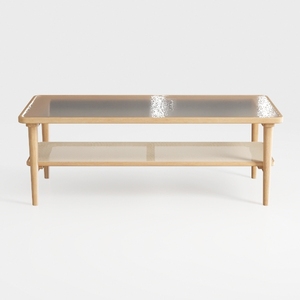
Minimalist Solid Wood Glass Top Coffee Table 3D Model
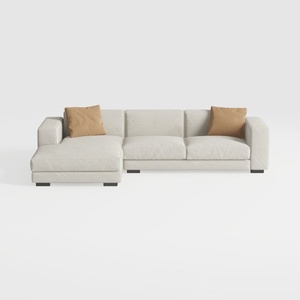
Minimalist Fabric L Shape Sectional Sofa with Throw Pillows 3D Model
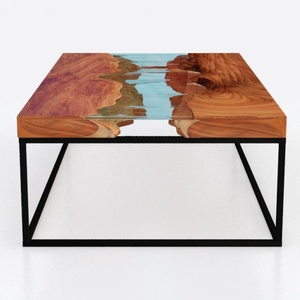
Modern Solid Wood Epoxy Resin Square Coffee Table 3D Model
Homestyler is your go-to online platform for home design, perfect for both novices and pros. Enjoy user-friendly design tools, stunning 3D renderings, and a wealth of inspiring DIY video tutorials. Transform your space with ease and creativity—get started today!
Progetta ora GRATIS
































