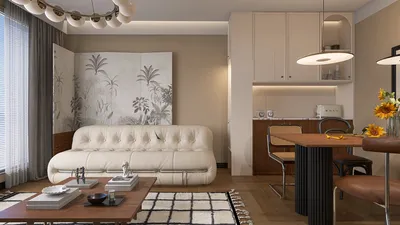


Semi-private hospital rooms, usually accommodating two patients, strike a balance between privacy for patients and operational efficiency for healthcare providers. When these spaces are meticulously designed, they can enhance safety, support infection control, and uphold dignity without inflating costs. In my designs, I prioritize sight lines for caregivers, acoustic barriers, and clearly defined patient areas to alleviate stress and confusion. Research indicates the importance of these design choices: the Gensler Research Institute shows that environments promoting clear wayfinding and patient autonomy can significantly lower anxiety levels and enhance perceived quality of care. Additionally, WELL v2 emphasizes that adjustable lighting, sound control, and thermal comfort contribute to improved health outcomes, offering specific guidelines for noise levels and illumination that optimize healthcare interiors.
Lighting and noise levels are crucial for clinical effectiveness, influencing not only comfort but also patient outcomes. The WELL v2 guidelines suggest that sound levels in sensitive areas should not exceed 35 dBA at night, and lighting must support circadian rhythms with sufficient vertical illumination during daylight. The Illuminating Engineering Society recommends that clinical observation zones maintain task illuminance around 300–500 lux to decrease errors. Utilizing these standards, combined with insights from the Gensler Research Institute, aids me in fine-tuning semi-private room designs, ensuring patients can recover well while staff can perform their duties effectively.
What Is a Semi-Private Hospital Room?
A semi-private room is designed for two patients with separation achieved through a full-height partition or ceiling-mounted privacy curtain. Each patient enjoys their own bed, storage space, overbed table, and access to shared utilities like oxygen, suction, and nurse call systems. The intention is to maintain personal space and privacy while ensuring efficient care delivery and safe exits.
Core Design Principles I Rely On
I categorize the room into three distinct zones for each patient: a clinical area (bed and headwall), personal space (locker, table, device charging), and a family zone (visitor chair convertible to a bed when necessary). Staff pathways run parallel to the foot of each bed to minimize cross-traffic. For those considering new layout options, using a quick room planning tool, like Homestyler, provides a platform to explore visibility, clearance, and bed rotation scenarios effectively.
In areas where regulations permit, use full-height partitions or sliding panels; otherwise, opt for ceiling track curtains that overlap by 18–24 inches to obstruct side views. Clear sight lines from the corridor are vital, allowing caregivers to assess both patients quickly without exposing sensitive areas.
Excessive noise can contribute to stress and disrupt sleep. To combat this, I employ high-STC partitions (around STC 45–50 at the headwall), door seals, and acoustic ceiling tiles (NRC ≥ 0.75) to minimize sound transmission. A continuous soft masking sound at 40–45 dBA can help mask sudden alarms without interfering with clinical indicators.
Layer ambient lighting to reach 150–200 lux for general comfort, with task lighting at 300–500 lux for staff activities, as well as low-level night lights under 10 lux to maintain circadian rhythms. Opt for warm-dim night lighting (2700–3000K) to limit melatonin suppression, while daytime task lighting can shift to 3500–4000K for accurate skin tone rendering.
Ensure that surfaces are seamless, non-porous, and easy to clean, incorporating features like thermoformed edges, integral sinks, coved flooring, and antimicrobial railings. Alcohol gel dispensers should be conveniently placed at the entrance and bedside. HVAC systems must direct clean air supply towards patient zones and expel air near contamination sources, aligning with engineering standards for facilities.
Layout Strategies That Actually Work
Two effective layouts strike a balance between dignity and functionality:
Maintain a clear area of at least 5 feet (1524 mm) on the pull side of every bed to facilitate clinical access and ensure safe handling of patients. Ensure that nurse call systems, power outlets, and medical gases are equally accessible to both patients. Doors should open without obstructing equipment or bariatric wheelchairs.
Human Factors and Behavioral Patterns
In semi-private rooms, small boundaries help ease interactions between roommates. I recommend using distinct finishes or colored bands on either side to denote personal belonging—calming shades such as soft greens or muted blues can reduce stress levels. According to insights from Verywell Mind, these blue-green tones are often linked to tranquility and trust, which generally aligns with patient experiences. Providing individual controls for reading lights, temperature adjustments (within system capabilities), and entertainment can help foster a sense of autonomy, enhancing satisfaction within healthcare settings.
Ergonomics for Staff Safety
Ensuring safe handling of patients necessitates sufficient turning radii and lift clearances. Overhead patient lifts should easily access both beds without obstructions, and bed brakes must be reachable from the foot end. Position sharps containers at a height of 48–52 inches AFF to limit awkward reaches, and ensure monitors are mounted at eye level, approximately 48–50 inches, to minimize neck strain.
Family and Visitor Integration
Visitor chairs should be convertible into sleeper positions without hindering egress. Including a discrete privacy screen for families during nighttime stays can enhance comfort. A shared but staggered storage area prevents overlap across the centerline, while USB-C ports and small task lights at each family unit help reduce glare from devices during the night.
Materials and Cleanability
Flooring should consist of welded-seam sheet vinyl or heat-welded LVT with integral cove bases. Walls require high-scrub, low-VOC finishes and impact-resistant panels behind beds. Casework should incorporate high-pressure laminate with PVC-free edging or solid surfaces for moisture resistance. Choose microbial-resistant fabrics for privacy curtains and consider systems with replaceable panels to facilitate quick turnover.
Safety, Codes, and Risk Mitigation
Coordinate nurse call systems, measures to prevent elopement, and ligature-resistant hardware according to clinical requirements. Ensure that night lighting does not glare on monitors, verifying luminance ratios under 10:1 between screens and surrounding light. Utilizing colored contrasts on flooring thresholds can help assist patients with low vision without creating abrupt visual transitions.
Cost and Operational Efficiency
Semi-private rooms typically reduce per-patient space and eliminate unnecessary MEP redundancies. However, poor acoustic setups or insufficient personal controls can lead to increased call-light requests and more frequent staff interventions. By investing in superior acoustics and lighting controls initially, I have observed operational savings emerge through decreased noise complaints and better sleep cycles, ultimately fostering quicker recovery.
When a Semi-Private Room Is Not Appropriate
Patients at high risk for infections, those with specific behavioral health requirements, isolation needs, or who require intensive monitoring often necessitate private rooms. Design flexibility can be achieved through the use of demountable partitions or adaptable family spaces to facilitate temporary single-occupancy during busy periods.
Simple Planning Checklist
FAQ
The size of a functional two-bed room generally varies from 220 to 320 square feet of net area, influenced by headwall configurations, lift systems, and required clearances.
I recommend STC 45–50 walls, acoustic ceiling tiles with NRC ≥ 0.75, door seals, and soft-close components, as well as incorporating absorptive finishes away from cleanable splash zones and managing alarms to mitigate peaks.
Yes, headwalls should be mirrored to provide equal access to oxygen, suction, power, data, and nurse call, while avoiding daisy-chaining devices across the centerline to prevent tripping hazards.
Utilize a layered lighting approach: ambient lighting at 150–200 lux, task lighting at 300–500 lux for medical procedures, and night lighting under 10 lux with a warmer color temperature to safeguard circadian rhythms.
Incorporate full-height partitions or deep-return curtains alongside angled sightlines, allowing staff to quickly assess patients from the corridor or doorway without compromising privacy.
Seamless sheet vinyl flooring with coved bases, solid-surface casework with sealed edges, and high-scrub wall coatings are recommended. Use detachable, antimicrobial privacy curtains for safety.
Patients requiring isolation, intensive monitoring, or behavioral health accommodations should be prioritized for private room assignments.
Use a layout planner or design visualization tool, such as Homestyler, to ensure clearances maintain caregiver routes at the foot of the bed while keeping exits unobstructed.
Absolutely. Calming blue-green palettes are frequently linked to reduced stress levels and cleanliness, findings corroborated by established color psychology research.
Ensure that family areas contain convertible sleeper chairs, modest privacy screens, individual task lighting, and USB power while ensuring no obstructions to bed access or exit pathways.
Plan for effective cable management, device charging capabilities on both sides, and ergonomic monitor mounts at suitable heights. Keeping data and power paths separate will minimize interference and hazards.
Neglecting acoustics and personal control options leads to increased call-light incidents and poor patient sleep—ultimately undermining the efficiencies intended for semi-private room designs.
Discover your dream home design with Homestyler! This user-friendly online platform offers an intuitive design tool, stunning 3D renderings, and a wealth of DIY video tutorials. Perfect for anyone looking to transform their space effortlessly and creatively—bring your vision to life today!
Concevez maintenant gratuitement
































