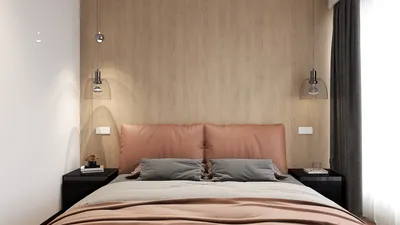


I approach the design of children's rooms with the same meticulousness I apply to professional and hospitality environments: prioritizing safety, fostering intuitive organization, and imbuing the space with character that instills pride in children. Wall shelves often remain underappreciated; they create essential floor space for play, present books at eye level, and transform everyday items into delightful visual displays. Integrating a tool like Homestyler can make this process even more efficient by allowing you to visualize your design.
Functionality must be supported by evidence. WELL v2 underlines the importance of accessible storage and minimizing clutter to enhance psychological comfort, while studies from Steelcase consistently link well-organized spaces to smoother transitions between tasks and reduced cognitive load. Research by Herman Miller indicates that visual clarity is connected to lower stress levels and facilitates quicker access to needed items. In the context of children’s rooms, the benefits are the same: establishing clear zones and visible shelving drastically reduces those frustrating moments of searching for items.
Color choices are equally important as their arrangement. According to Verywell Mind's analysis of color psychology, soft shades of blue and green foster calmness while warmer accents promote energy and interaction. By utilizing muted colors for shelf back panels or brackets and introducing vibrancy through bins, spine-out books, or rotating toys, we can achieve a balance between stimulation and tranquility. Lighting is also critical: the IES suggests minimizing glare and providing appropriate illumination levels; for wall shelves, employing 2700–3000K warm-white LEDs ensures a gentle ambiance for bedtime and easy readability in study corners. For parents preparing room layouts, leveraging a design tool like Homestyler can facilitate the testing of heights and spacing prior to installation.
Design Intent: Growing Shelf Heights for Kids
I plan shelf heights to accommodate children's reach as they grow: 18–30 inches for toddlers (ideal for soft toys and board books), 30–48 inches for preschoolers (for picture books and puzzles), 48–60 inches for grade-schoolers (for chapter books and craft supplies), leaving higher shelves above 60 inches for seasonal or delicate items. This design ensures autonomy while safeguarding precious keepsakes. The variation in shelf lengths and depths creates a stimulating but organized visual rhythm.
Safety and Ergonomics You Can Trust
Secure wall studs are essential. I use rated hardware for anchoring shelves and always maintain at least 12 inches of clearance above bed pillows to prevent accidents. Incorporating rounded corners or bullnose edges minimizes injury risk. For bins, I prefer lightweight materials with easy-to-grip pulls. From an ergonomic perspective, it is important to keep heavier items between knee and shoulder height, adhering to safe lifting guidelines established by ergonomic organizations.
Open vs. Closed: Promoting Order with Visibility
Open shelves encourage children to visualize their choices while closed bins eliminate visual clutter. I utilize both approaches: open face-outs for favorite books and display-worthy toys, while reserving closed bins for mixed items like LEGO and art supplies, labeling them with icons and prominent lettering. This balance alleviates visual chaos while providing kids with a structured mental framework.
Style Moves: Minimalism to Whimsical
When implementing a Scandinavian theme, I opt for matte white shelves paired with light oak brackets, allowing colorful books and toys to be the focal point. For a whimsical storybook atmosphere, painted shelf back panels in shades like sage or dusty lilac can frame shelves beautifully. Modern lofts benefit from metal rails, while cottage-style rooms gain texture from wicker-front bins. The key is to maintain consistency by repeating two materials across the design to avoid a disjointed appearance.
Smart Zoning: Dedicated Areas for Reading, Crafting, and Displaying
Organize the wall into designated areas. Place a reading zone near the armchair with two or three narrow picture ledges, spaced 8–10 inches apart for optimal face-out display of books. Utilize deeper shelves (10–12 inches) above a small desk for crafting, complete with clear bins and a top rail for hanging scissors or rulers. The display zone above the dresser can feature floating cubes for trophies, framed artwork, or small plant displays. It’s smart to validate alignments and scale with an interior layout planner like Homestyler for better reach and sightlines.
Light, Color, and Acoustic Comfort
Under-shelf LED strips must be designed to diffuse light to eliminate glare on glossy book covers. Using warm lighting of 2700–3000K in reading zones and neutral 3500K in craft areas will help maintain activity-specific lighting. If the room suffers from echo, using felt-lined bins, cork backing, or fabric-front doors can significantly reduce high-frequency noise, resulting in a serene acoustic environment. Employing a color scheme on the shelves—one main hue complemented by two additional colors—prevents visual overwhelm.
Materials and Sustainability
Opting for low-VOC finishes and solid wood or quality plywood is essential for durability and indoor air quality, surpassing less expensive laminates. Powder-coated steel brackets resist chipping, while birch or maple shelves provide better screw retention than MDF. Whenever possible, choose materials that are environmentally certified and steer clear of heavily scented finishes. Textured materials like rattan fronts and cork liners offer tactility without compromising durability.
Layout Ratios and Visual Balance
Think in thirds: a 9-foot wall could feature three clusters of shelves, each approximately 30–34 inches wide and staggered vertically. Mixing depths is also beneficial: use 7-inch shelves for paperbacks and 10–12 inches for bins. Maintain at least 6 inches of clearance from shelf edges to door swings, and 4 inches from window casings to avoid a crowded appearance. Aligning one shelf edge with the width of a dresser or desk will anchor the overall composition.
Storage Ideas by Age and Activity
For toddlers, low ledges, soft bins, and face-out picture books are ideal. Preschoolers benefit from labeled craft storage, puzzle stacks, and themed toy rotations. Grade-schoolers enjoy chapter book arrangements, project kits, and display cubes for showcasing achievements. In shared rooms, using color-coded bins for each child and maintaining equal shelf heights ensures fairness, with a communal gallery at the top for family photos or artwork.
Installation Checklist
Identify wall studs and mark consistent heights. Pre-drill and use appropriate anchors, checking for level alignment twice. Shelves should be positioned 12–16 inches above desk surfaces to avoid head injuries when standing. Avoid placing shelves over active play spaces where climbing might occur. Finish the installation with cord management solutions and soft-close hinges on any doors for safety.
Maintenance and Rotation
Every few months, rotate displays to keep the space feeling fresh. Edit the book collection seasonally and swap out craft kits as interests change. Lightly clean surfaces with gentle products and re-tighten any hardware annually. In my experience, small rotations contribute to a renewed atmosphere in rooms without cluttering.
Resources
I rely on the WELL v2 framework for creating accessible and health-focused environments while drawing insights from Steelcase and Herman Miller’s research regarding the influence of organization on focus. For selecting colors, the Verywell Mind overview of color psychology serves as a valuable resource. When configuring multiple shelf zones, utilizing a room layout tool such as Homestyler can help visualize reach and flow before finalizing your design.
FAQ
To ensure safety, set lower ledges around 18–24 inches above the floor, allowing toddlers to access books without climbing; keep heavier items above 30 inches.
Paperbacks are best suited for 7–8-inch shelves, while picture books and bins thrive on spaces of 10–12 inches. Anything deeper than 12 inches risks overloading.
Yes, if appropriately secured to wall studs using rated brackets and featuring rounded edges. Avoid glass or overly heavy decorations; always test the load before use.
To promote order, combine open displays with closed, labeled bins. Maintain a color palette that follows a 1:2 ratio (one dominant color and two supporting hues), while keeping toy sets contained.
Utilizing warm LEDs in the range of 2700–3000K with diffusers decreases glare and facilitates winding down. Avoid exposing bulbs at eye level.
Store frequently used items within a child's shoulder-to-knee height for easy access. Face-out ledges for books can encourage independent selection.
Seek out birch or maple plywood with solid edges, along with powder-coated steel brackets and low-VOC finishes. Always choose hardware rated for the expected load.
Rotating items quarterly keeps the interest high while minimizing clutter. Place seasonal objects on higher shelves and refresh displays in accordance with shifting habits.
Yes, utilizing felt bins, cork liners, and fabric-front doors can help absorb sound, reducing echoing in hard-surfaced environments.
For craft shelves, install them between 36–48 inches high for school-age kids, with scissors and glues placed at mid-level and a locked box reserved for solvents.

Oak&Sparrow 5 Drawer Tall Dresser for Bedroom, 47'

Christopher Knight Home 310912 Living Room Chairs,

3-Shelf Adjustable Bookshelf, 36" H, Bookcase,
Homestyler is the ultimate online home design platform for anyone looking to transform their space effortlessly. Featuring a user-friendly design tool, stunning 3D renderings, a wealth of inspiring design projects, and helpful video tutorials, bringing your dream home to life has never been easier!
Design Now for FREE
































