

Successfully integrating traditional design elements with adaptable functionality is crucial for resort banquet halls. My approach emphasizes the influence of lighting, acoustics, circulation, and material choices on enhancing guest experiences, facilitating quick transitions, and seamless operations. The benefits are tangible: according to WELL v2, effective lighting strategies not only enhance visual comfort but also support circadian well-being. The IES suggests a task illuminance range of 300–500 lux for dining and multipurpose venues, ensuring that guests can comfortably see each other, their meals, and relevant signage. Research from Steelcase further indicates that environments designed for comfort and clarity significantly boost guest satisfaction and engagement, an essential concept for event venues where ambiance and functionality must correspond seamlessly.
Event activities vary widely—from plated dinners to cocktail mingling, keynote presentations to dance parties. Gensler's workplace studies indicate that flexible layouts enhance perceived effectiveness across various functions, a principle that equally applies in hospitality settings. I advocate for a modular design framework with mobile partitions coupled with scalable audiovisual technology, alongside layered lighting schemes that transition from 500 lux for setup to 300–350 lux for dining and lower levels for dancing, all while maintaining clarity and safety. For a health-conscious lighting framework, Wellness v2 serves as an excellent reference, while IES standards provide guidance on glare reduction, color rendering (CRI 90+), and uniformity ratios that ensure accurate depiction of skin tones and decor.
Design Vision and Spatial Storytelling
An exceptional banquet hall should encapsulate the resort's brand narrative, starting from the moment guests arrive. I strive to create a well-planned sequence: a sophisticated pre-function lounge for initial impressions, a transitional space with sound separation, and finally, a grand hall that captivates with its volume, natural light, and focal points. The use of spatial rhythm—featuring columns, coffered ceilings, and graceful arches—helps instill visual coherence and supports intuitive guest navigation. Ultimately, the design should evoke a joyous atmosphere under candlelight while also maintaining professionalism in spotlighted moments.
Planning and Flow
Efficient circulation is essential for swift service and guest comfort. I ensure that back-of-house pathways (including pantry, staging, audio-visual control, and storage areas) run parallel to public routes to minimize traffic congestion. Entryway areas ought to buffer against sound and temperature variations while facilitating quick coat checks and signage adjustments. For intricate seating arrangements or multiple breakout zones, consider utilizing a room layout tool such as Homestyler: room layout tool. Testing layouts digitally helps identify potential bottlenecks at entries, bars, and buffet setups prior to on-site construction or execution.
Lighting: Layers, Color, and Glare Control
I implement four distinct lighting layers: ambient, task, accent, and decorative elements. Ambient lighting provides overall uniformity without harsh hotspots, often achieved through indirect or diffused fixtures. Task lighting illuminates the stage, lectern, and staff work areas, aiming for 500+ lux during preparations, subsequently reducing to 300–350 lux for dining. Accent lighting highlights floral arrangements, signage, and architectural features using narrow-beam projectors with a high color rendering index and dimmable profiles. Decorative elements, such as LED candelabras or crystal fixtures, contribute to the celebratory atmosphere without overwhelming visual clutter. Maintaining a low Unified Glare Rating (UGR) can be done by using baffled optics, shielded downlights, and matte ceilings to minimize glare in video recordings. Color temperatures should range from 2700–3000K for dining and 3000–3500K for corporate settings, and RGBW effects must be calibrated to prevent skin-tone distortions.
Acoustics and Sound Management
Effective banquet acoustics must strike a perfect balance between speech clarity and musical warmth. I prefer using sound-absorbing wall panels behind seating areas, diffusive elements on the ceiling to alleviate flutter echoes, and soft finishes in peripheral lounges. Plan for STC-rated partitions between the pre-function area and main hall to mitigate sound spill. At the stage, treating initial reflection points enhances microphone intelligibility; in dining areas, upholstered seating and area rugs help to reduce noise. Routing HVAC through lined ducts and utilizing quiet diffusers ensure that ambient noise remains below conversational levels, fostering a comfortable and engaging environment.
Ergonomics and Human Factors
Tables should be positioned at heights of 29–30 inches, with knee clearances of 18–20 inches to accommodate most guests comfortably. Seat heights of approximately 17–18 inches with supportive backs can alleviate fatigue during extended events. Aisles should be 48–60 inches wide to allow servers to navigate safely, even when guests adjust their seating. For buffet arrangements, offering varied counter heights can enhance accessibility while ensuring smooth operation. Wayfinding systems must be easily readable from 20–30 feet, enhanced by lighting cues; color psychology can further facilitate zoning—using calm neutrals for dining areas and vibrant accents at the bar to indicate liveliness.
Stagecraft, AV, and Sightlines
Stage design relies heavily on unobstructed sightlines and rapid adaptability. Aim to keep sightline angles to a maximum of 30 degrees where feasible, stagger tables to minimize occlusion from columns, and install shoulder-height acoustic screens at the back to maintain audio quality. Distribute power and data access through floor boxes laid out on a regular grid, with patch points positioned near stage wings and DJ setups. I utilize adjustable beam angles for key lighting, side fills to soften shadows, and neutral backdrops that accommodate projection without moiré interference. Consider projection mapping on architectural features for impactful reveals during significant moments of the event.
Material Selection and Sustainability
Materials must withstand the rigors of continual use while maintaining aesthetic excellence. I prefer robust, solution-dyed carpets that obscure seams and wear, high-pressure laminates for service counters, and hardwood or engineered plank borders for elegance that avoids slip hazards. Sustainability is vital; resilient materials reduce lifecycle expenditures, and low-VOC adhesives improve indoor air quality. To reflect the resort's identity, I recommend layering natural textures—such as wood, stone, and woven panels—with refined metal finishes. Depending on the location, if coastal, opt for corrosion-resistant hardware, and if alpine, incorporate warmth through wool blends and timber accents.
Flexible Layouts and Capacity Planning
Design should accommodate various configurations: circular banquet tables of 60–72 inches, theater-style seating, classroom arrangements, and cocktail standing areas. Create designated spaces for mobile bars and satellite kitchens; storage must be sized appropriately to hold stacks of chairs, folding stages, and dance floor panels. Load-in pathways should feature durable thresholds and turning radii that allow for cart maneuverability. When calculating RSVPs, ensure that seating allows for comfortable personal space—approximately 24 inches per guest at banquet settings—and maintain clear egress routes to exits. Using the interior layout planner at Homestyler can swiftly visualize seating arrangements and servicing paths: interior layout planner.
Color Psychology and Atmosphere
Color influences behavioral dynamics significantly. Warm whites and soft ambers foster relaxation and conviviality, which are ideal for weddings and gala events. In contrast, cooler neutrals paired with bright lighting enhance focus and corporate presentations. Changeable accent colors should be facilitated through elements such as drapery washes, LED coves, or floral arrangements, allowing the hall to adjust to the event's color palette without needing a complete repaint. It is essential to keep a neutral base to ensure photographers and videographers can reliably achieve accurate color grading.
Operational Efficiency
Effective design promotes rapid transitions between events. I designate power, water, and data resources to minimize cable lengths and tripping hazards, choose casters and gliders that respect flooring materials, and incorporate millwork with removable fronts to facilitate swift resets. Positioning storage close to the hall, rather than across the resort, optimizes staff efficiency. Ceiling rigging points designed for lightweight decorations speed up installation processes. Additionally, the service corridor should present a clear demarcation to separate clean wares from soiled items, supporting hygiene during busy operations.
Guest Comfort: Thermal, Visual, and Inclusive Design
Guest comfort is a multifaceted consideration. Balance thermal influences from guests, equipment, and windows with zoned HVAC systems and discreet diffusers placed away from seating areas. Incorporate controllable shades to manage natural light and minimize glare on displays. For inclusive design, ensure hearing enhancement systems are integrated, provide wheelchair-accessible pathways with gentle slopes, and craft seating arrangements that offer varied proximities to stages and exits. Additionally, small, quiet lounges adjacent to larger halls serve as retreats for guests when the event becomes intense.
2024–2025 Trends Shaping Resort Banquet Halls
The current trend favors versatile environments: warm-dimming LEDs that smoothly transition mood, biophilic features like living walls to enhance acoustics and air quality, and technology layers that remain unseen until required. Guests increasingly appreciate authenticity—favoring natural materials, regionally inspired artworks, and handcrafted lighting, all combined with advanced AV solutions. I predict a growing interest in smart controls that can effortlessly set the atmosphere for speeches, dining, and dancing with a single touch while also tracking energy consumption to support sustainability goals.
FAQ
For dining, aim for 300–350 lux to ensure visibility for faces and plates, and increase to 400–500 lux at the stage for presentations. Employ layered lighting and dimming options for smooth transitions.
Warm 2700–3000K lighting enhances intimacy and flatters skin tones. It's best paired with high CRI lamps to maintain accurate representation of decor colors in photographs.
Combine features like diffusive ceilings, sound-absorbing wall panels, upholstered seating, and soft perimeter lounges to optimize acoustics. Keep mechanical noise minimal using lined ducts and low-noise diffusers.
Tables measuring 60–72 inches accommodate 8–12 guests comfortably. Maintain a space of 24 inches per guest and ensure aisle widths of 48–60 inches to facilitate service and safe exits.
Incorporate mobile partitions, furniture with casters, accessible storage, zoned utilities, and ceiling rigging points. Design millwork for tool-less access to enable rapid resets.
Utilize durable materials such as solution-dyed carpets, high-pressure laminates, strong metals, and engineered wood borders. Opt for low-VOC adhesives and finishes to improve indoor air quality.
Warm shades foster social interaction, while cooler neutrals enhance concentration. Maintain a neutral base and adjust accent colors through lighting and decorations to align with event branding.
To maintain optimal viewing angles, try to keep them within 30 degrees whenever possible, stagger tables, and avoid conflicts with columns. Utilize adjustable lighting for the stage to ensure visibility throughout the venue.
Plan the distribution of power and data through floor boxes arranged on a grid. Create patch points situated near the stage and DJ areas, and design cable routes that circumvent guest pathways.
Adhere to IES guidelines regarding illumination levels, glare control, and color rendering. WELL v2 is an excellent resource for aligning lighting with guest comfort and circadian health considerations.
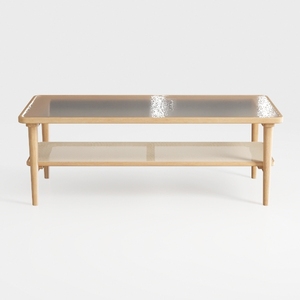
VECELO Coffee Table with 2-Tier Storage Shelf X-Fr
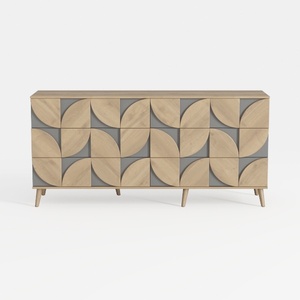
Farmhouse Sideboard Buffet Cabinet - Large Kitchen
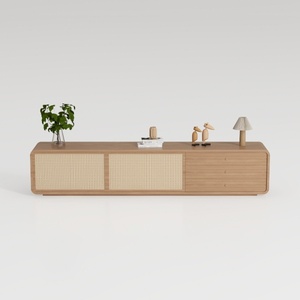
Walker Edison Sasha 4-Door Sideboard Buffet with
Looking to transform your space? Homestyler is your go-to online design platform! With its user-friendly design tool, stunning 3D renderings, and a wealth of DIY video tutorials, you can effortlessly create and visualize your dream home. It's inspiration and creativity at your fingertips!
Design jetzt kostenlos
































