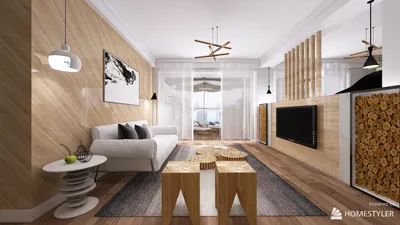


Throughout my career, I have crafted wedding venues that resonate with diverse cultural communities, and it's clear that Reddy marriage halls uniquely excel due to their vibrant hospitality, temple-inspired designs, and ability to host multi-generational gatherings. The overarching aim is to create a space that pays homage to tradition while also providing exceptional comfort and clarity for all – including guests, vendors, and the couple's sacred rituals. When designed effectively, the hall exudes a ceremonial and festive atmosphere, all the while ensuring smooth circulation, optimal acoustics, and ergonomic comfort for participants. Incorporating an innovative design tool like Homestyler can effectively enhance this planning process.
Research aligns with what common sense suggests: effective layout and spatial clarity significantly enhance guest satisfaction. For instance, studies by Steelcase indicate that improved spatial clarity not only elevates comfort levels but also diminishes stress in high-traffic areas. In the context of weddings, this translates to easier navigation and reduced congestion. Additionally, lighting plays a crucial role in shaping mood and directing attention. The Illuminating Engineering Society (IES) recommends a lighting range of 300 to 500 lux for multi-purpose halls, with specific task areas such as stages and food stations requiring even greater illumination for safety and visibility. These standards serve as a robust foundation for striking a balance between beauty and functionality, a principle that can be effectively represented using tools like Homestyler.
Health and comfort are paramount during lengthy ceremonies and receptions. The WELL v2 standard emphasizes the importance of glare management, balanced color temperature, and acoustic comfort as key factors in fostering wellbeing. Typically, I target a warm ambient lighting range of 2700–3000K to evoke a celebratory feel, adjusting it to 3500–4000K for crucial stages or photographic opportunities to maintain optimum skin tone clarity. This thoughtful lighting approach not only supports prolonged rituals and clear photography but also creates an inviting space accessible to all ages, including elders and children.
Ceremonial Flow: Managing Rituals and Movement
Commence by analyzing behaviors: how guests enter, interact, queue for food, view the stage, and navigate between the mandapam, dining areas, and photography spots. Rituals like the jeelakarra bellam and mangalsutra tying necessitate unobstructed sightlines; therefore, seating arrangements should angle 7 to 10 degrees towards the mandapam to enhance visibility and minimize neck strain. To effectively pre-test these configurations, using a room layout tool such as Homestyler can simulate the flow of guests and vendors, thereby avoiding congested areas between seating and buffet stations while allowing for a dignified aisle for the couple.
Establish three distinct zones: the ceremonial (stage/mandapam), social (photo-booth area, greeting space), and service zones (for food, plating, and dish returns). A primary aisle of 1.5 to 1.8 meters can facilitate two-way traffic, accommodating traditional attire without physical collisions, while maintaining a minimum of 1.2 meters around dining tables allows for efficient service. Offer seating with armrests for elder guests and ensure that around 10-15% of seats provide easy access and close proximity to exits.
Lighting That Respects Tradition and Enhances Photography
Warm ambient lighting enhances the visual appeal of gold jewelry, silk saris, and floral decorations. To achieve this, layer the lighting with dimmable uplights that wash textured walls, pendant clusters over waiting areas, and high-quality 90+ CRI fixtures at the mandapam to make colors like turmeric, kumkum, and jasmine stand out in photographs. It’s essential to minimize glare—guidance from WELL v2 and IES suggests using appropriate shielding angles and matte finishes to avoid harsh lighting spots. For photo backdrops, employ semi-soft 3500K fill lighting that allows controlled spill to prevent unflattering shadows during candid captures.
Enhance the aesthetic with temple brass, kolam-inspired projections, or diya-style LED candles for safety. Ensure that emergency lighting complies with local regulations while decorative elements such as thoranam and mango leaf arrangements do not obstruct essential exit signage. Moreover, utilizing intelligent lighting scenes for rituals, dining, and dancing facilitates seamless transitions facilitated by the MC and the priest during the event.
Color Psychology: Infusing Warmth, Prosperity, and Calm
At Reddy weddings, vibrant hues of red, marigold yellow, and rich green are prominently featured. Research on color psychology indicates that saturated reds invigorate and capture attention, whereas greens promote steadiness and alleviate visual fatigue. Pairing bold textiles at the mandapam with serene neutrals, such as warm beige and soft taupe, on larger walls can prevent overwhelming visual experience. Additionally, metallic touches in antique gold provide richness without glare, and opting for brushed finishes diminishes reflections that could detract from the overall ambiance.
If a crowded hall is anticipated, introducing cooler tones—such as sage green drapes or slate table runners—near food areas can help maintain a comfortable atmosphere. Floral arrangements with chrysanthemums, roses, and jasmine can guide a balanced palette: strong colors draw the eye at focal points, while quieter tones can guide circulation paths.
Acoustic Comfort: Ensuring Clarity and Enjoyable Music
Large halls often amplify background noise, necessitating soft acoustic treatments through fabric draped over the mandapam canopies, upholstered seating in aisles, ceiling baffles, and area rugs under photography stations. It's beneficial to keep the DJ separate from dining to minimize sound overlap; speakers should face dance floors and volume levels should remain below 85 dB to sustain comfort. Positioning a microphone near the priest ensures that the couple's vows can be heard clearly without echoing. A simple test: if grandparents can follow along with mantras from the back, you’ve successfully engineered the auditory space.
Material Selection: Durable, Clean, and Culturally Resonant
High-traffic areas should utilize materials that are stain-resistant and easy to clean, such as performance upholstery, solution-dyed fabrics, and quartz or stone countertops that resist staining from turmeric, oils, and sweets. For flooring, slip-resistant porcelain or sealed natural stone strikes the right balance between ceremony and safety, and consider adding anti-fatigue mats behind buffet areas. Incorporating sustainable elements like LED lighting, low-VOC paints, and reusable decor elements can lower both operational costs and waste while honoring tradition.
Stage and Mandapam: Proportions, Sightlines, and Preparedness for Rituals
The stage should be positioned at a height of 450 to 600 mm, ensuring the couple is visible but not isolated. Depths ranging from 2.4 to 3.0 m provide ample space for the priest, couple, and necessary ritual items like the havan kund, coconut, and kalash with safe clearance. To expedite movement, include side steps on both ends, and incorporate recessed channels to avoid trip hazards from cables. Opt for a textured but understated backdrop—patterns that are rhythmic and gentle photograph better than high-contrast designs. Also, discreetly store ritual items and water behind stage skirting for efficiency.
Dining Strategy: Effortless Flow and Generous Hospitality
Whether you choose banana leaf service or buffet-style, unobstructed movement is critical. Ensure that handwash stations are conveniently placed at entry points and near dining areas; maintain a 1.2 to 1.5 m wide queue lane and a separate exit to prevent traffic jams. If comparing seat clusters to traditional rows, utilizing an interior layout planner can reveal where potential bottlenecks occur, allowing for quick adjustments before the big day.
Wayfinding, Accessibility, and Comfort for Elders
Implement clear signage using bilingual texts and symbols for intuitive navigation. Ensure wheelchair-accessible paths (with a minimum width of 900mm), low-threshold entrances, and calming rest areas with softer lighting for elder guests. Choosing chairs with armrests and a seat height of 450-480mm will alleviate fatigue, while keeping water and light snacks readily available allows children and seniors to stay refreshed throughout the occasion.
Decor Rhythm: Merging Traditional Motifs with Modern Balance
Layer different elements—base textiles, structured florals, brass and wood accents—culminating in a crown of fresh greens and mango leaves. Employ repetition and symmetry near key areas, but loosen the patterns in social zones to foster interaction. Welcoming designs like kolam or rangoli at entrances can facilitate flow while establishing a celebratory atmosphere. Limit the height of centerpieces to ensure guests can always see the couple and feel a connection to the stage.
Vendor Coordination and Back-of-House Planning
A well-planned hall blends its aesthetic with operational efficiency. Ensure a service corridor of 2.0 to 2.4 m connects the kitchen, dish return, and waste management areas while keeping staff routes distinct from guest pathways. Electrical layouts should plan for dedicated circuits for the DJ, lighting, and kitchen equipment to avoid overloads. Conduct pre-event rehearsals with the priest, photographer, and caterers to synchronize timings and lighting cues effectively.
2024–2025 Enhancements: Subtle Technology and Thoughtful Choices
Current trends lean towards understated technology, including app-controlled scene lighting, discreet LED setups for dynamic yet tasteful backdrops, and silent HVAC systems featuring zoned controls. Material selections should focus on low-maintenance, durable finishes that offer timeless aesthetics. Sustainable options—energy-efficient lighting solutions and reusable decor elements—facilitate easier reuse across family events while aligning with modern ecological concerns.
Final Design Moves for an Effortless Day
Honor traditions while placing a premium on comfort and movement dynamics. Center the mandapam with calming lighting and clear sightlines, maintain tidy dining circulation, absorb sound where conversations peak, and let the decor complement—not overshadow—the couple. Utilize layout simulation tools like Homestyler to visualize the plan, walk through it from both guest and staff perspectives, and refine each detail until every element feels intentional and seamless.
Tips 1: Quick Checklist for Reddy Marriage Hall Preparation
- Arrange seating at an angle of 7–10° towards the mandapam for optimal viewing
- Aim for ambient lighting of 2700–3000K; stage lighting should have a CRI of 90+ with task lighting at 3500–4000K
- Maintain aisles of 1.5–1.8m; dining clearances of at least 1.2m
- Incorporate acoustic absorptive materials in ceilings and in soft furnishings near stage and dining zones
- Use slip-resistant flooring; include anti-fatigue mats in service areas
- Provide bilingual signage and select elder-friendly seating options with arms
- Ensure dedicated vendor corridors are created, separating guest and service paths
- Schedule rehearsals with the priest, DJ, and photographer to perfect performance cues
FAQ
Q1: What lighting levels are optimal for a Reddy marriage hall?
A1: Target an ambient lighting range of 300–500 lux based on IES multipurpose guidance, supplemented with 90+ CRI task lighting at the mandapam for both clear visibility during rituals and quality photography. Pay attention to reducing glare through proper shielding and matte finishes.
Q2: How can I ensure a pleasant experience for elderly guests?
A2: Offer seating that includes armrests, maintain a 450–480mm seat height, reduce walking distances, utilize clear signage, and create a relaxing rest nook. Keep accessible water sources and light snacks handy to keep them comfortable.
Q3: What are the ideal stage dimensions?
A3: A stage height of 450–600mm ensures visibility without creating isolation; a depth range of 2.4–3.0m allows for the couple, their priest, and necessary ritual items. Incorporate side steps and appropriate cable management for safety.
Q4: How can I manage noise levels while maintaining energy?
A4: Implement acoustic baffles, fabric drapes, area rugs, and carefully orient speakers toward the dance floor. Keeping sound levels below 85 dB will ensure comfort while adding a dedicated microphone for the priest preserves auditory clarity.
Q5: What layout strategies can prevent buffet congestion?
A5: Designate separate entry and exit points for the buffet, maintain 1.2–1.5m lanes for queues, and strategically place handwash stations. Use layout simulation tools like Homestyler to identify potential conflicts with photography or stage configuration.
Q6: What materials are best suited for heavy use and festive dining?
A6: Opt for slip-resistant porcelain or sealed stone flooring, quartz surfaces, and solution-dyed fabrics, as they are resistant to staining from turmeric and oil while ensuring quick cleanup between service phases.
Q7: How do colors affect the mood of the gathering?
A7: Reds convey energy and celebration; greens promote a calming influence. Use vibrant hues at the mandapam and softer neutrals on larger bounds to prevent strain on the eyes during extended ceremonies.
Q8: What are the critical dimensions for circulation?
A8: A main aisle width of 1.5–1.8m accommodates two-way flow in traditional attire; maintain a minimum of 1.2m around dining tables for fluid service. Accessible pathways should have a minimum clear width of 900mm.
Q9: How can I integrate modern technology without disrupting traditional themes?
A9: Utilize app-based dimming for lighting scenes, discreet LED lighting strings to enhance ambiance, and ensure that HVAC systems operate silently with zoned controls. Ensure technology complements rather than distracts from the ceremonial visual narrative.
Q10: What is the simplest method to verify the event plan before the big day?
A10: Walk the venue layout as both a guest and staff member, conduct rehearsals with the priest, DJ, and photographer, and utilize layout simulation tools to refine sightlines, queues, and vendor logistics.


Homestyler is your ideal partner for home design, offering an intuitive online design tool and stunning 3D renderings. Dive into a wealth of design projects and follow engaging video tutorials to transform your space effortlessly. Whether you're a novice or a pro, Homestyler inspires creativity!
Concevez maintenant gratuitement
































