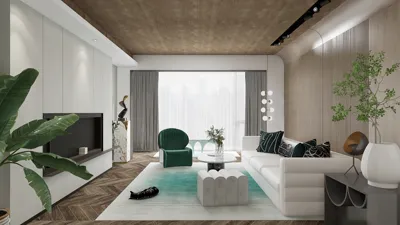


In designing pooja rooms, my goal is to create a space that feels both intimate and connected—harmonious in spirit while visually attractive within the home. My preferred approach is to use screens as a key design element to strike that balance. A thoughtfully selected partition can safeguard sightlines, soften sound, guide movement, and moderate light levels, ensuring the altar remains the focal point without being entirely detached from the surrounding area.
Aesthetics are just as vital as privacy and visual comfort. Studies on visual and cognitive load demonstrate that minimizing visual clutter can enhance calmness and focus. Furthermore, color psychology shows that warm whites and soft neutral shades can significantly reduce stress (VerywellMind). The Illuminating Engineering Society suggests that task areas typically require lighting levels around 200–500 lux; for pooja rooms, I aim for the lower end to maintain a tranquil ambiance while ensuring safe navigation (IES standards). When integrating screens for meditation purposes, WELL v2 emphasizes the importance of controlling glare and ensuring appropriate luminance ratios to prevent eye fatigue, which can be achieved with a layered screening approach (WELL v2).
**Carved Wood Jali Screens**
Traditional jali craftsmanship using materials like teak, oak, or ash provides a classic method for filtering views. The design of the perforations helps control privacy and airflow while creating tranquil shadow effects. I generally opt for a medium open ratio (20–35%) to allow the altar to breathe and ensure that candles feel comfortably integrated. Combining these with matte, low-VOC finishes contributes to healthier indoor air quality and helps reduce glare with a satin sheen, instead of a high-gloss finish.
**Metal Lattice with Brushed Brass Accents**
For modern residences, a slender steel frame paired with brass lattice provides a sophisticated and durable look. It’s important to keep profiles slim (10–12 mm) to avoid a cluttered visual impact. If using oil lamps, ensure proper clearance and choose powder-coated finishes that can withstand heat. A linear pattern guides sightlines towards the idol while preventing complete visibility from living spaces.
**Frosted Glass with Etched Motifs**
Frosted glass screens, whether acid-etched or sandblasted, effectively diffuse brightness and blur distractions, making them perfect for compact apartments. Panels marked with minimal spiritual symbols (like lotus or mandala designs) elegantly respect the sacred without being overly decorative. Aim for a diffused transmission of around 70–80% to maintain soft daylight while controlling glare. If your layout requires testing before production, tools like room layout planners can effectively simulate visibility and lighting pathways.
**Fabric Panels on Sliding Tracks**
Textile screens add acoustic softness and a ceremonial feel. Opt for dense natural fibers like cotton-linen blends or wool felt for superior sound absorption and a gentle touch. I recommend ceiling-mounted tracks that allow the altar to be revealed gradually. Keep designs simple; a tone-on-tone weave minimizes visual distraction during prayer.
**Slatted Timber Screens for Rhythm and Light**
Vertical wooden slats create a tranquil rhythm, framing the idol without completely isolating it. Opt for a consistent module—around 30–50 mm slat width with gaps of 15–25 mm—to balance privacy with airflow. Warmer woods such as walnut or white oak enhance serenity, whereas lighter options like ash or maple help smaller rooms feel airy.
**Stone or Terrazzo Half-Height Plinths**
Combining low masonry plinths with a lighter upper screen establishes a grounded, temple-like foundation. Terrazzo provides a subtle texture and is easy to clean after using incense or kumkum. Employ rounded edges for safety and select a honed finish to prevent glare and slippery surfaces.
**Rattan and Cane Weave Panels**
Rattan infill in a wooden frame reflects craftsmanship and adds ventilation. This weave allows for gentle filtered light and remains lightweight, making it suitable for doors or bi-folds. Ensure the cane is UV-stabilized and apply a protective plant-based varnish to prevent dryness and cracking near sources of ritual heat.
**Perforated Metal Screens with Sacred Geometry**
Laser-cut designs can reflect yantra-inspired geometry while maintaining a minimalist look. Choose soft bronze or matte black finishes to eliminate reflections. When incorporating backlighting, ensure that LED strips are in the 2700–3000K warm white range to enhance a meditative atmosphere while achieving consistent luminance without hot spots.
**Shōji-Inspired Paper Panels**
Using rice paper or synthetic shōji materials allows for exquisite light diffusion. For spaces with incense and occasional water offerings, a moisture-resistant variant is essential. A grid framework of maple or beech contributes a subtle aesthetic. Such panels work particularly well when privacy from adjacent pathways is required, without the need for heavy construction.
**Carved Stone Jaali for Heritage Homes**
In heritage environments, a delicate stone jaali made from sandstone, marble, or engineered stone adds authenticity and durability. Pair it with concealed LED lighting to illuminate the carvings subtly without creating direct glare. Be conscious of weight and secure anchoring; consulting a structural engineer is vital for larger spans.
**Foldable Screens for Flex Spaces**
Freestanding, foldable screens are perfect for living rooms that also serve as pooja spaces. Hinged three- or four-panel designs allow complete opening for festivals and closure for daily tranquility. Opt for non-slip feet, rounded edges, and a height range of 150–180 cm to maintain both privacy and airflow.
**Color Psychology and Finish Strategy**
I generally avoid stark whites, which can feel too sterile. Instead, I recommend warm whites (around 2700–3000K) and soft earthy colors like sand, clay, and muted saffron to anchor the ambiance. Insights from VerywellMind on color psychology align with this philosophy: warm tones encourage comfort and calm without inducing heightened arousal. Metals should feature brushed or satin finishes; high-polished surfaces tend to amplify glare and distractions during prayer.
**Light, Glare, and Candle Safety**
It's essential to balance natural light with layered artificial illumination. Employ dimmable warm LEDs and indirect lighting to avoid direct beams hitting reflective surfaces. Aim for an ambient brightness of approximately 150–300 lux, supplemented by localized lighting at the altar. Ensure any flammable materials used for screens are kept at least 300 mm away from open flames and incorporate stable diya stands with a wide base for safety.
**Acoustic Comfort and Ritual Quiet**
Utilizing textiles, felt materials, and porous woods improves sound reverberation in smaller rooms. A strategically placed area rug combined with soft screen surfaces can minimize foot traffic noise and echoes. If your pooja room adjoins an active corridor, a dual-layer screen with wooden slats in front and felt backing can significantly reduce mid to high-frequency sounds without the need for substantial wall construction.
**Spatial Ratios and Visual Balance**
Screens should enhance rather than overshadow the idol. As a general guideline, keep screen heights at 10–20% above the tallest deity sculpture, creating a framing effect rather than a dominating one. Allow side margins of 150–250 mm around the altar edge to maintain a sense of space and visual order. Prioritize clear, unobstructed pathways from entry to the sanctum; if validation of configurations is necessary, utilizing an interior layout tool can provide insights before final decisions are made.
**Material Health and Maintenance**
Opt for low-VOC finishes and natural materials such as solid woods, lime plasters, and plant-based varnishes to encourage comfortable air quality. Screens situated near incense should feature wipeable surfaces and durable finishes that can withstand heat and aromatic oils. Steer clear of overly reflective designs, as they may create visual clutter and glare.
**Placement and Ritual Flow**
Position screens thoughtfully to mitigate direct lines of sight from busy areas. If the pooja room opens into a living area, angling the screen by 15–25 degrees can disrupt sightlines while fostering a welcoming entry. Ensure storage for puja items is concealed behind the screen to uphold the sacred atmosphere.
For comprehensive guidelines regarding glare, luminance balance, and occupant comfort, refer to WELL v2 which provides essential principles on these topics. The Illuminating Engineering Society offers recommended illuminance levels for residential spaces, which can be useful when establishing ambient illumination and accent highlights. Explore WELL v2 and IES for more detailed design metrics: WELL v2 at wellcertified.com; IES standards at ies.org/standards.
**FAQ**
Q1: Which screen materials best balance privacy with airflow?
A: Carved wood jali or cane weave panels effectively offer partial visual privacy while allowing for excellent ventilation. Aim for an opening ratio of 20–35% to keep the altar comfortable without excessive exposure.
Q2: What is the ideal brightness level for a pooja room?
A: Maintain ambient light levels between 150–300 lux using warm 2700–3000K LEDs. This suggestion aligns with comfort levels recommended by IES, supporting a calm and glare-free environment.
Q3: What color tones foster a serene atmosphere behind an altar?
A: Warm whites, sand, muted clay, and soft saffron tones promote a grounded and contemplative environment. Research on color psychology indicates that warm, less saturated colors can lower stress and visual overstimulation.
Q4: Are frosted glass screens safe to use with oil lamps?
A: Yes, frosted glass can be safe when precautions are observed. Ensure there is at least 300 mm of clearance from open flames, avoid direct heat exposure, and opt for tempered or laminated frosted glass to increase safety.
Q5: What solutions mitigate noise if the pooja room is adjacent to a corridor?
A: Incorporating textile screens, felt-backed wooden slats, and a small rug can greatly reduce reverberation and foot traffic noise. Choose dense fabrics and porous woods for improved sound absorption in the mid to high-frequency range.
Q6: What is the recommended height for a freestanding screen?
A: Typically between 150–180 cm. This height provides privacy during seated or kneeling prayers while allowing for adequate airflow and avoiding a top-heavy appearance.
Q7: Is it possible to integrate sacred geometry without making the space feel overly decorative?
A: Restraint is key—utilize laser-cut patterns in matte finishes and keep motif density minimal. Soft backlighting with 2700–3000K LEDs helps to honor symbolism without overwhelming the senses.
Q8: What is the most practical option for rental apartments?
A: Lightweight foldable fabric or cane screens on floor glides are ideal. They offer mobility, set up quickly, and don’t require permanent installation.
Q9: Do metal screens create glare issues?
A: Highly polished metals can indeed increase glare. It’s advisable to select finishes such as brushed brass or matte black, position lighting indirectly, and avoid direct beams on reflective idols and surfaces.
Q10: How can I effectively plan a screen layout before making a purchase?
A: Utilize a room design visualization tool to evaluate sightlines, clearances, and light distribution. This approach helps prevent mismatches and ensures the screen beautifully frames the altar.

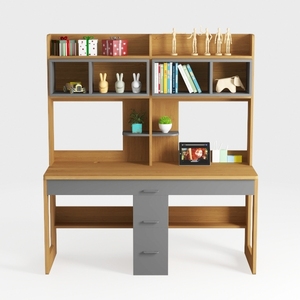
Modern Minimalist Solid Wood Multifunctional Home Office Desk 3D Model
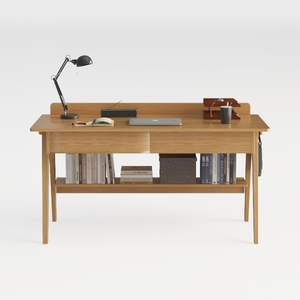

Topjia Mid Century Desk with Drawers,Solid Wood Ho
Homestyler is your go-to online design platform for transforming ideas into reality. With its user-friendly design tool, stunning 3D renderings, abundant design projects, and helpful video tutorials, creating your dream space has never been easier or more enjoyable!
Concevez maintenant gratuitement
































