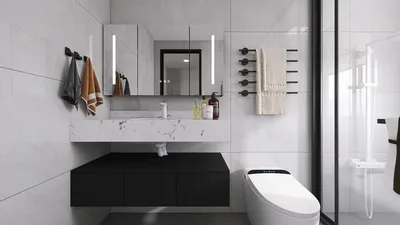


My approach to designing phlebotomy rooms is focused on creating an environment that facilitates a safe and calm experience for patients, while also providing clinicians with an ergonomic, hygienic, and efficient workspace. Thoughtfully designed areas can significantly reduce errors, minimize cycle time, and lower stress levels. Recent healthcare projects have demonstrated how simple choices—such as bench heights, circulation widths, and acoustic control—can greatly impact both patient flow and staff comfort.
The importance of efficiency can be quantified through the WELL Building Standard v2, which emphasizes the role of acoustic and lighting quality in occupant health and operational performance. Proper glare control and adequate illumination are essential for clinical accuracy. Research by Herman Miller consistently shows a correlation between maintaining neutral postures and reducing musculoskeletal strain—an important consideration for clinicians who frequently perform precision tasks like venipuncture. These insights reinforce the focus on lighting, acoustics, and ergonomics in room designs, which can be further explored through the WELL v2 and Herman Miller research.
Clinical Layout and Flow Optimization
I prioritize efficient circulation in my designs. Ensuring a clear entry, private check-in areas, and a direct route to draw stations significantly minimizes wayfinding challenges and reduces cross-traffic. A dedicated flow pattern—from entry to draw bays and then to post-draw refreshment or observation—protects patient privacy and mitigates potential bottlenecks. When considering spatial arrangements, I make sure that sterile supply areas are compactly located within reach of each chair, while sharps disposal and hand hygiene stations are prominently visible. For teams needing to test layouts, utilizing tools like Homestyler for interior layout planning can be invaluable in assessing clearances and staff movement.
Creating Ergonomic Stations for Patients and Clinicians
Draw chairs are designed to support neutral wrist and shoulder positions, incorporating adjustable armrests and seat heights to cater to various body types. I align armrest heights with the clinician’s elbow position, whether seated or standing, based on workflow demands. Benchtops meant for tasks like labeling or centrifuging should stand at a height of 36 to 38 inches for standing tasks, ensuring the use of anti-fatigue flooring and adequate knee clearance for seated tasks. Storage solutions should be organized between shoulder and hip height, with frequently used items stored below shoulder level to prevent strain. Additionally, ergonomic carts for mobile draws should come with locking casters, a weighted base, and organized vertical storage to avoid hazardous reach-overs.
Lighting Design: Achieving Accuracy Without Glare
Effective lighting designs incorporate a blend of uniform ambient light with focused task illumination. In draw areas, I aim for ambient light levels of approximately 300–500 lux and include dimmable, glare-controlled task lights in the venipuncture zones. Attention to color rendering is also crucial: a CRI of 90 or greater assists clinicians in accurately distinguishing skin tones, veins, and labels. Maintaining color temperatures in the range of 3500–4000K guarantees visual clarity, while indirect lighting fixtures minimize glare on shiny surfaces and labels.
Enhancing Acoustic Comfort and Privacy
Noise levels significantly influence patient anxiety, particularly during procedures involving needles. To address this, I specify high NRC-rated acoustic ceiling tiles and wall panels in waiting areas, as well as soft surfaces where possible to support infection control. Spatial zoning is essential: patient areas should be distanced from sources of mechanical noise and busy corridors. Implementing sound masking, such as properly tuned HVAC white noise, can help to soften conversations while adhering to speech privacy standards. In settings with multiple bays, utilizing partial-height partitions with absorptive finishes can help reduce echoes while maintaining visibility.
Utilizing Color Psychology for Patient Relaxation
Patients often arrive with varying degrees of anxiety, hence I prefer soft, desaturated shades—such as muted greens, warm grays, and balanced neutrals—as the primary palette for draw areas. Accent colors in reception and post-draw zones may be slightly warmer to foster a sense of care and finality. High-saturation reds should be avoided near drawing stations due to their potential to elicit stress. Natural textures, such as wood-look laminates that meet healthcare standards, add warmth without demanding extensive upkeep.
Implementing Infection Control: Choosing Materials and Surfaces
All touch surfaces must be easy to sanitize and durable: non-porous countertops, healthcare-grade vinyl flooring installed seamlessly, and wrapped corners to minimize dirt accumulation. I advocate for solid surfaces that can withstand hospital-grade disinfectants and have minimal grout lines. The upholstery selected must be suitable for phlebotomy, resistant to stains and antimicrobial, while allowing for thorough cleaning. Implementing hands-free hardware, kick plates, and touchless waste access can significantly reduce the risks of contamination. Storage interiors should facilitate easy cleaning, and drawers should have removable liners for sanitization.
Streamlining Storage, Labeling, and Specimen Flow Management
Proper specimen integrity begins with effective storage solutions. I maintain a standardized arrangement for essential items—such as tourniquets, alcohol swabs, gauze, tape, needles, tubes, and labels—organized in a consistent left-to-right order that mimics the clinician’s workflow. It’s crucial for labeling zones to be positioned near the draw chair without obstructing movement. For facilities with high volume, a pass-through window to the lab or a designated courier pickup space is vital to avoid cross-contamination between waiting areas and clinical traffic. Refrigeration and centrifuge placements are designed to consider both vibration isolation and accessibility to clean power sources.
Ensuring Safety: Sharps, Egress, and Visibility Considerations
Sharps disposal must be easily accessible for clinicians, positioned at a height that prevents awkward reaching. Clear, well-lit egress routes are essential, along with doors featuring vision panels to avoid collisions. I ensure that sightlines are open for effective staff supervision while utilizing translucent panels to uphold patient privacy. Clear, concise clinical signage standardizes information, reducing uncertainty and facilitating quick responses in emergencies.
Attention to Small Comfort Details
Minor details can have a substantial impact: incorporating footrests for shorter patients, keeping warming blankets in clean storage, and establishing a post-draw refreshment station away from the main clinical area. I prefer adjustable chairs that provide comfortable armrest contours and low-friction upholstery to facilitate repositioning. A dedicated hydration area is designed to minimize congestion at draw bays, allowing patients a point for relaxation before checkout.
Integrating Workflow Technology Seamlessly
Barcode scanners, label printers, and EHR terminals should be mounted within easy reach to prevent hindrance, while ensuring cables are managed efficiently, ideally routed under counters and utilizing recessed raceways. For optimal user experience, I recommend compact monitors on adjustable arms to enable precise positioning and enhance posture, all while maintaining HIPAA compliance through the use of privacy filters. Employing a layout visualization tool like Homestyler can aid teams in testing designs, ensuring that reach distances, patient flows, and sightlines are all addressed prior to construction.
Ratios, Clearances, and Bay Planning Considerations
In multi-bay rooms, my goal is to maintain 5 to 6 feet between chair centerlines while ensuring at least 3 feet of lateral clearance for clinician access and patient transfers. Passage aisles need to be at least 4 feet wide, expanding at intersections to preclude accidents. Supply areas are placed strategically behind the clinician to eliminate the need to reach over patients. For smaller clinics, I incorporate a zigzag bay configuration to ensure privacy without sacrificing visibility and workflow efficiency.
Prioritizing Energy Efficiency and Sustainability
By utilizing high-efficiency LED fixtures with stable color rendering, we can significantly reduce operational costs and maintenance demands. Incorporating motion sensors in auxiliary spaces and controlling façade lighting from dusk to dawn helps reduce waste. Selecting durable, easy-to-clean materials extends product lifespans and minimizes the frequency of replacements. Whenever feasible, I specify low-VOC finishes and adhesives to balance infection control purposes with the goal of enhancing indoor air quality.
Frequently Asked Questions
To achieve clarity and precision, ambient illumination around 300–500 lux should be provided alongside glare-controlled task lighting at the chair.
Adjustable armrests need to match the clinician’s elbow height, and chair designs must accommodate varying patient sizes while keeping supplies within shoulder to hip level for ease of access.
High-NRC ceiling tiles, wall panels in waiting areas, and gentle sound masking are effective strategies to manage noise and ensure privacy, reducing overall stress for patients.
Durable, non-porous solid surfaces and seamless vinyl flooring that can withstand cleaning with hospital-grade disinfectants enhance both cleanliness and longevity.
Establish a standardized layout for kits arranged in left-to-right order, which aligns with the clinician's process, while keeping labeling zones adjacent to the draw chair.
A minimum of 5 to 6 feet should be allowed between chair centerlines, ensuring at least 3 feet of lateral clearance, and 4 feet for main aisle widths.
To foster a serene environment, opt for desaturated greens, warm grays, and balanced neutrals; avoid high-intensity reds near draw areas to mitigate anxiety.
Position barcode scanners and label printers conveniently, manage all cables effectively, and employ articulated monitor arms to support user comfort and privacy.
Utilizing layout simulation tools like Homestyler can help visualize patient flow, circulation, and sightlines, thus preventing costly redesigns and optimizing staff efficiency.
Choose high-efficacy LED lighting, implement motion sensors, select cleanable materials, and apply low-VOC finishes to promote both operational efficiency and air quality.

Solid Oak Linen Upholstered Vintage Office Desk Chair 3D Model

Modern Pink Velvet Gold Metal Bow Back Dining Chair 3D Model

Minimalist Solid Oak Fabric Upholstered Dining Chair 3D Model
Homestyler is your go-to online home design platform! Its user-friendly design tool allows you to create stunning interiors, while impressive 3D renderings help visualize your ideas. Plus, explore a wealth of design projects and DIY video tutorials to inspire your next home transformation effortlessly!
Zaprojektuj teraz za darmo
































