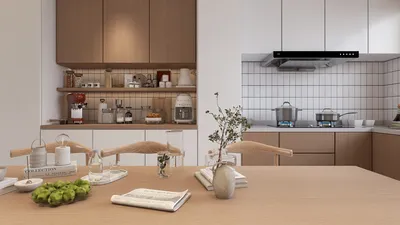


A thoughtfully selected centerpiece can completely elevate a round table, transforming it from ordinary to extraordinary. The key lies in achieving a balance of height, scale, and sightlines, ensuring that every guest feels engaged and connected. Round tables naturally promote symmetry and conversation, so I opt for designs that emanate from the center while maintaining low to medium silhouettes for unobstructed views and ease of reach. Incorporating tools like Homestyler can help visualize these arrangements effectively.
Positioning centerpieces below eye level is not merely a design choice; it fosters social comfort. Research from Gensler emphasizes that clear visual access enhances collaboration and perceived comfort, a principle that seamlessly translates into dining contexts where face-to-face interaction is crucial. For lighting considerations, I adhere to IES guidelines for ambient dining illumination set between 150-300 lux, complemented by candlelight or warm accent sources ranging from 2200-2700K to create a cozy atmosphere. Such lighting conditions prevent harsh glare, allowing food and floral hues to appear vibrant and natural. When selecting colors, I refer to insights from Verywell Mind's color psychology: warm tones stimulate sociability and appetite, while greens exude freshness and tranquility—perfect for floral arrangements.
Designing Effective Centerpieces for Round Tables
Round tables benefit greatly from radial balance. I begin with a defined center, then expand outward in layers: a base, an anchor, various accents, and a hint of movement. The anchor piece should occupy about 1/3 to 1/2 of the table's diameter for proportionality. It's advisable to keep the total height below 10-12 inches for intimate dinners, increasing to 16 inches for more casual, larger gatherings. I lean towards triangular compositions, featuring one taller piece accompanied by two shorter ones, to establish a rhythm that doesn't obstruct views. When serving family-style meals, it’s essential to maintain a 12-16 inch clear perimeter around the centerpiece to facilitate platter passing.
Lush Low Florals with Seasonal Textures
A timeless choice for round tables is a low compote bowl filled with floral creations resembling a dome. I blend focal flowers like roses, ranunculus, and dahlias with textural greens such as seeded eucalyptus and ruscus, adding lightness with airy stems like scabiosa and astilbe. Keeping the height within the seated eye-line, around 6-8 inches for a 36-48 inch table, ensures unobstructed views. Color dynamics play a vital role; warm corals and soft reds generate energetic interactions while blush and sage tones impart calmness. For a sustainable approach, I recommend utilizing locally sourced, seasonal blooms and repurposing floral mechanics such as frogs or chicken wire instead of traditional floral foam.
Candle Clusters and Small Arrangements
Clusters are ideal for round tables due to their harmonious design mirroring the circular form. Arrange a collection of 3-5 candles at varying heights—such as votives, tea lights, and a medium pillar—interspersed with petite bud vases for added dimension. To avoid competing with food aromas, it’s best to use unscented candles, while warm 2200-2700K LED options are safe and aesthetically pleasing. Positioning the tallest candle slightly off-center introduces gentle asymmetry while maintaining crucial sightlines.
Elegant Edible Centerpieces: Fruit and Herb Bowls
Consider a shallow bowl filled with citrus, figs, or pears complemented by fresh herbs for an inviting presentation. Arrange the fruit in a rounded fashion and include sprigs of rosemary and mint to enhance both aroma and texture. For larger tables, I suggest adding two smaller dishes as satellites for a balanced triangular layout. This method is not only budget-friendly and biodegradable but also harmonizes with a low-waste entertaining ethos.
Monochrome Greenery Surrounds
A modern living wreath or eucalyptus ring encircling a compact vase offers a fresh, minimalist aesthetic. Ensure the inner container is simple—whether it is clear glass, matte ceramic, or brushed metal—and opt for a singular, sculptural stem like a monstera leaf or anthurium. The round shape complements the table design, enhancing visual harmony and ease of access.
Minimalist Bowls with Floating Elements
For a serene and sculptural look, consider a broad, low bowl filled with water, floating flowers, and tea lights. This setup is ideal for tight spaces where guests need ample elbow room. A tonal color scheme—like white blooms paired with champagne candles—or contrasting elements such as ivory and dark green ensure a clear definition.
Layering Textiles and Natural Materials
Texture is essential in anchoring a centerpiece. Begin with a linen runner shaped into a circle or a soft round placemat, then add a woven charger beneath a ceramic piece. Utilizing natural fibers minimizes glare from shiny surfaces while contributing acoustic softness to the dining experience. I often pair matte stoneware with textured brass or wood for a grounded, tactile contrast.
Seasonal Decor Themes Without Kitsch
Spring: Incorporate tulips and hyacinths in a low compote with pastel hues. Summer: Opt for vibrant citrus bowls alongside herb sprigs and airy ornamental grasses. Autumn: Feature mini pumpkins, persimmons, and marigolds on a soft linen runner. Winter: Use an evergreen ring with white blossoms and metallic details. Maintain a condensed theme—select one motif and repeat it in various sizes to avoid clutter.
Proportions, Scale, and Seating
To ensure your centerpiece fits perfectly, correlate its size with the table's diameter and number of seats. For a 36-42 inch round table accommodating four guests, the centerpiece should stay within a width of 10-14 inches and under 8 inches in height. Likewise, for a 48-54 inch table seating six, expand the dimensions to 14-18 inches wide and a height of up to 12 inches. For tables over 60 inches, think about using modular groupings instead of one massive centerpiece to safeguard sightlines and serving flow.
Understanding Color Psychology: Warmth and Calm
Warm reds, corals, and ambers are excellent for instigating dialogue and sparking appetite. Conversely, cooler blues can soothe but may diminish hunger. Greens offer freshness and balance, making them ideal for gatherings with a diverse age range. I typically choose one dominant color, a secondary hue, and a neutral anchor like white, cream, or natural wood. In rooms with bright, cool lighting, I suggest leaning towards warmer tones in the centerpiece, while in warmer dim environments, incorporating whites and greens can enhance clarity.
Managing Lighting and Reducing Glare
Soft, layered lighting amplifies the impact of your centerpiece. For an ambient glow at around 150-300 lux, incorporate clusters of candles along with adjustable pendant lighting. Minimize reflective materials to avoid glare on glass surfaces. If metallic accents are used, opt for brushed finishes instead of high-polished ones. These thoughtful choices align with IES standards for comfort, allowing guests to maintain eye contact without straining their eyes.
Affordable Centerpieces that Exude Elegance
• Transform grocery-store bouquets into an array of bud vases complemented by a singular low compote. • Combine citrus and herb bowls with thrifted ceramics for a unique touch. • Use simple branches in water garnished by a greenery ring. • Curate a mix of candles at varied heights alongside a standout bloom. Emphasize repetition and minimalistic color schemes; a consistent look appears more luxurious than an expensive one.
Tips for Layout and Flow at Round Tables
Maintain a clear 12-16 inch space around each plate and serving area to ensure smooth service. If planning an extensive dining setup or testing various centerpiece styles across table sizes, a room layout tool becomes quite handy to visualize clearances and sightlines: Homestyler serves as an effective option here. Keep centerpieces adaptable so elements can easily shift when platters come to the table.
Considerations for Safety, Scent, and Comfort
Utilize unscented candles and avoid highly fragrant flowers that may clash with meal scents. Make sure open flames are kept well away from dried arrangements and flowing linens. In the presence of children, prioritize flameless candles and low-profile containers. Ergonomically, guests should easily access beverages and condiments without having to reach over high centerpieces.
Quick Guide: My 10-Minute Centerpiece Strategy
1) Start by placing a round linen placemat in the center. 2) Add a shallow ceramic bowl. 3) Create a greenery ring using eucalyptus. 4) Position 5-7 tea lights around the inner edge. 5) Incorporate 3 bud vases featuring single stems (like ranunculus, spray roses, or a branch). 6) Conclude with a small cluster of fruit such as three lemons or figs for a pop of color. This arrangement will remain below 8 inches in height, appear abundant, and be easy to clear for serving.
For optimal dining light levels and comfort, refer to IES recommendations concerning visual environment standards. For insights on color psychology that help in developing centerpiece palettes, consider looking into Verywell Mind’s comprehensive overview.
Frequently Asked Questions
Q1: What is the ideal height for a centerpiece on a round table?
A: Most designs should remain under eye level—generally between 6-12 inches—and this varies with table size to maintain clear sightlines and facilitate smooth conversations.
Q2: How do I determine the appropriate size for my centerpiece based on table diameter?
A: Aim for a footprint that is about 1/3 to 1/2 of your table's diameter. For a 48-inch round table, a 14-18 inch wide arrangement provides a balanced look without infringing upon place settings.
Q3: Which colors enhance a vibrant, social atmosphere?
A: Warm shades like coral, soft red, and amber stimulate social interaction and appetite. Pair them with neutral tones (like cream or natural wood) to avert visual fatigue.
Q4: Are scented candles or aromatic flowers suitable for dining situations?
A: It’s best to stick with unscented candles and light fragrant or non-scented blooms. Strong smells might conflict with food and cause discomfort, especially in more confined spaces.
Q5: How can I create depth without increasing height?
A: Layer textures such as linens, woven chargers, and matte ceramics, and utilize small clusters of bud vases alongside low bowls. Vary the diameters instead of height to keep the table uncluttered.
Q6: What lighting temperature yields the best results?
A: A warm temperature of 2200-2700K for candles and pendants creates an inviting environment and showcases food beautifully. Ambient light levels should be maintained around 150-300 lux for comfort and clarity.
Q7: How can I ensure my centerpiece is safe for children?
A: Utilize flameless LED candles, sturdy low-profile containers, and soft greenery. Keep glassware away from the edges and ensure any tall elements are centrally located and stable.
Q8: What sustainable elements can I incorporate?
A: Opt for seasonal, locally sourced flowers, edible components like fruits, and reusable vases while avoiding floral foam. Compost greens and repurpose stems after the event to minimize waste.
Q9: How can I minimize glare on glassware?
A: Utilize brushed metal elements, matte ceramic materials, and diffused candlelight. Ensure candles are positioned away from direct sightlines to avoid distracting reflections.
Q10: What if I have a large round table (60 inches or more)?
A: Utilize adjustable clusters— a central feature surrounded by two smaller arrangements. This method maintains balance while allowing for reconfiguration during serving, ensuring a clear area for plates.
Q11: Is mixing florals with fruits acceptable?
A: Definitely! Combining citrus or figs with herb sprigs and a small floral accent creates an attractive arrangement. Maintain a cohesive color palette—two primary hues and a neutral—to prevent visual clutter.
Q12: How can I tailor centerpieces for outdoor dining?
A: Stabilize vessels, avoid delicate petals, and choose sturdier greenery (like eucalyptus or succulents). Employ flameless candles to avoid issues due to wind.
Discover the power of Homestyler, the ultimate online home design platform. With its user-friendly design tool, stunning 3D renderings, and a wealth of inspiring design projects and DIY video tutorials, you can effortlessly transform your space into your dream home. Start designing today!
Design Now for FREE
































