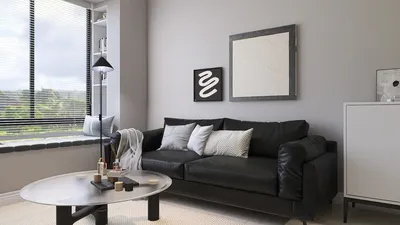


Designing multi-functional MCC halls involves creating a versatile space that seamlessly adapts to various events, including religious gatherings, conferences, banquets, classes, and community discussions. My approach emphasizes a modular strategy where key elements like sightlines, acoustics, lighting, and circulation interact harmoniously, ensuring that the hall remains suitable for both contemplative moments and lively activities. Research from Steelcase indicates that environments tailored to user needs can enhance productivity and engagement by as much as 20%, showcasing the importance of human-centered design. Likewise, the WELL v2 framework establishes essential criteria for visual comfort and circadian rhythm support, underscoring that effective lighting and air quality are crucial for high performance rather than mere luxuries.
Accurate capacity planning relies on concrete data, not speculation. Studies from Steelcase reveal that adaptable furniture and strategic zoning can cut changeover times by 30–50%, significantly influencing the hall's capability to host consecutive events. WELL v2 guidelines on glare management and color rendering (CRI) help mitigate eye strain in multi-use environments. Their recommendations for optimal lighting levels and minimizing glare create a practical framework for ensuring balanced illumination across extended programs. Whether the space is utilized for lectures or receptions, I adjust lighting fixtures and layouts according to these standards to maintain focus while enriching the atmosphere.
Spatial Strategy: Zoning Without Walls
I implement a structured zoning approach featuring a primary activity area, supporting rings, and buffer zones to keep the hall flexible. A movable presentation area, such as a stage, serves as the focal point for the primary zone, while the supporting area houses essential utilities like power, audio-visual carts, storage, and service pathways. Buffer zones incorporate acoustic screens and tall planters, guiding foot traffic and controlling sound reverberation. For intricate event setups and rapid transitions, utilizing a room layout tool similar to Homestyler aids in visualizing chair arrangements, aisle widths, and sightlines prior to making any alterations.
Light Environment: Layered, Dimmable, and Glare-Safe
Lighting plays a crucial role in setting the mood and enhancing performance. I incorporate three distinct layers: overall ambient light for daily tasks, accent lighting for stages and exhibits, and adjustable task lighting for activities like reading or workshops. To ensure eye comfort, I use shielded fixtures to reduce glare and provide tunable correlated color temperatures (CCT), ranging from warmer hues (2700–3000K) for evening meals to cooler tones (3500–4000K) for more demanding activities like lectures. Achieving a CRI of 90+ ensures that skin tones and materials appear accurately. I align the lighting controls with WELL v2 guidelines for visual comfort, implementing scene presets, smooth dimming options, and localized overrides to decrease visual fatigue throughout long events.
Acoustic Comfort: Control the Decay
Often, halls can become overly reverberant spaces unless properly managed. My target for mid-frequency RT60 is between 0.7 and 1.0 seconds for events that prioritize speech clarity, with a slightly extended decay for music-oriented events. Achieving this acoustic balance requires a combination of sound absorption (through wall panels, upholstered seating, and felt baffles) and diffusion (utilizing wood slats, bookshelves, and varied surface profiles). Mobile acoustic dividers also function as space separations, allowing for quick adjustments. Employing quiet mechanical systems and airtight service doors helps block external noise during ceremonies.
Furniture: Modular, Mobile, and Ergonomic
I favor stackable chairs designed with lumbar support and ganging clips to keep rows neatly aligned. Flip-top tables that nest together enable smooth transitions between theater, classroom, and banquet settings. Including casters on credenzas and AV equipment makes moving technology easy. During lengthy events, I adhere to ergonomic standards: ensuring 900–1000 mm row spacing for safe passage; maintaining table heights of around 740–760 mm; chair seat heights at approximately 450–480 mm; and allowing ample space for legroom and arm movement suitable for individuals of various sizes. Material choices need to balance easy maintenance with effective acoustic absorption, favoring woven fabrics over vinyl in lively environments.
Color Psychology and Visual Balance
Color influences perceived energy levels. I use neutral palettes (like warm grays and soft taupes) to establish a calming foundation, complemented by accent colors in muted blues or greens that can diminish stress and foster concentration, consistent with established color psychology principles. I avoid using saturated reds broadly, as they can promote agitation and distract during extended sessions. Repeating vertical elements such as banners or slats creates a visual rhythm, directing attention toward the stage while maintaining coherence even as the room configuration changes.
Material Selection and Sustainability
The longevity and upkeep of materials are crucial in determining the overall cost effectiveness. I prefer to source FSC-certified wood, low-VOC paint, and modular carpet tiles with a high percentage of recycled content. Choosing wall panels with replaceable surfaces helps to prolong their usability. Implementing slip-resistant surfaces at entry points and serving areas minimizes the risk of accidents during busy events. Wherever possible, I also use daylight-responsive systems and occupancy sensors to lower energy consumption without sacrificing comfort.
Circulation and Access: Intuitive Flow
Creating clear pathways is vital for functionality. I designate aisles of 1200–1500 mm for main traffic to facilitate two-way movement and 900–1000 mm for secondary paths. Service routes around the hall's perimeter ensure that staff can operate discreetly during events. Sightlines must remain uninterrupted towards focal points, so I position storage areas low along the edges. For venues that host exhibitions, tools for layout simulation are invaluable for assessing booth distances, queue placements, and ADA compliance prior to construction.
Stagecraft and AV Integration
Flexible stage setups equipped with adjustable risers and integrated cable management systems allow for quick scene adjustments. I recommend balanced front fill and distributed ceiling-mounted speakers for even sound coverage, complemented by a variety of microphone options including handheld and lapel mics suitable for differing event formats. Projection screens should be matte finished to reduce glare, and if utilizing LED displays, ensure they are adjustable in brightness and calibrated to the room's lighting temperature.
Storage, Back-of-House, and Turnaround Speed
The speed at which events can transition is heavily reliant on intelligent storage solutions. I plan distinct areas marked for chairs, tables, linens, AV equipment, and signage, all easily accessible to the main floor. Utilizing vertical shelving conserves floor space, while foldable carts enable rapid turnaround times. A compact prep pantry with durable surfaces allows for beverage service without encroaching on the primary hall. This organizational framework maintains cleanliness in public zones and decreases reset durations between events.
Safety, Standards, and Accessibility
Emergency exit routes must be clearly indicated and free of obstructions, utilizing photoluminescent signage for visibility. Ramps must follow compliant angles, along with tactile indicators at door thresholds, and seating arrangements that incorporate wheelchair accessibility throughout, avoiding stigmatizing areas. I carefully coordinate the lighting to eliminate glare that could obscure visibility for older individuals. These thoughtful considerations significantly enhance the hall’s accessibility and functionality.
2024–2025 Trends to Leverage
The demand for multi-functional spaces, capable of accommodating different event formats (theater, studio, workshop), continues to rise, alongside hybrid audio-visual systems that support both livestreaming and in-person engagement. Anticipate palettes that are warmer and more hospitality-oriented, with an emphasis on acoustic treatments and movable partitions that transform singular spaces into multi-use areas. Biophilic elements, including plants, natural materials, and light modulation techniques, are increasingly recognized—not merely as ornamental enhancements but as vital components for user comfort and well-being, resonating with performance-oriented strategies.
Design Workflow: From Concept to Operations
My design process starts with mapping out the program, identifying the types of events, required capacities, and necessary equipment. I then create simulations for three main setups—presentation, classroom, and banquet—and log the time taken for each configuration reset. Testing lighting presets and acoustic goals during trial events provides insight. Documenting storage layouts and clarifying responsibilities allows staff or volunteers to facilitate transitions effortlessly. In the initial quarter, I gather user feedback and refine presets and migration pathways to streamline each changeover further.
Authority References
For comprehensive standards regarding performance and user wellbeing, refer to the WELL v2 guidelines. For insights into versatile work environments that promote flexibility and engagement, Steelcase's research library serves as an invaluable planning reference.
FAQ
For mixed-use activities, it is advisable to maintain ambient lighting levels around 300–500 lux utilizing dimmable controls, in addition to both accent and task lighting layers. Ensure a color rendering index (CRI) of at least 90 and manage glare through effective shielding and matte finishes.
A target mid-frequency RT60 of 0.7 to 1.0 seconds is crucial for clear speech communication; allow for a longer decay in musical settings. Combining absorption and diffusion techniques helps avoid overly dead or echoey sound responses.
Utilize modular and lightweight furniture with casters, clearly labeled storage, and preset layouts. A room design visualization tool, akin to Homestyler, expedites planning and minimizes errors during transitions.
Neutral base colors paired with muted blues and greens foster a relaxing atmosphere conducive to focus. Reserve bold, high-saturation colors for limited accents to preserve visual harmony.
Establish primary aisles measuring 1200–1500 mm for bi-directional traffic, with secondary paths at 900–1000 mm. Ensure there are unobstructed egress routes and accessible seating distributed throughout the area.
Utilize versatile platforms, distributed audio systems, and adjustable projection screens. Offer various types of microphones alongside optimized cable management within risers and storage solutions.
Opt for low-VOC paints, sustainably sourced wood, and acoustic materials. Carpet tiles composed of recycled materials help reduce environmental impact while facilitating easy maintenance.
Deploy shielded lighting fixtures, regulate high-angle brightness, and specify matte surfaces for projection equipment. Coordination of correlated color temperature with scene presets mitigates eye strain.
Focus on dedicated storage areas with vertical shelving options, collapsible carts, and direct access to the main floor. Make sure everything is clearly labeled and create reset checklists for efficiency.
Yes—flexible AV racks, ceiling-integrated networking points, and portable recording kits can effectively support livestreaming while enhancing the hall's adaptability.
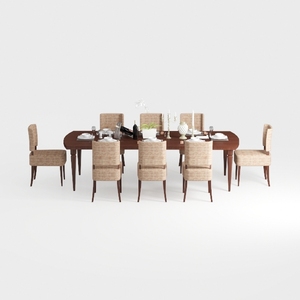
COLAMY Upholstered Parsons Dining Chairs Set of 4
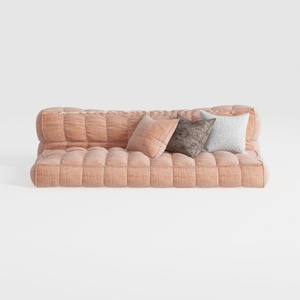

Minimalist Blush Fabric Tufted Contemporary Sofa 3D Model

Idalia 5-Piece Light Beige Fabric Dining Set
Homestyler is your go-to platform for effortless home design. Its user-friendly online design tool, stunning 3D renderings, and rich collection of design projects and DIY video tutorials empower you to transform your living space into a masterpiece with ease!
Design jetzt kostenlos
































