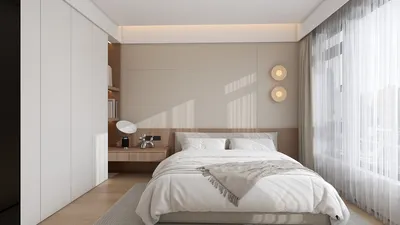


The evolving lifestyle is merging rituals, work, and recovery into cohesive living spaces. Current challenges include issues with privacy and limited storage solutions. Recent data from Zillow shows an increasing demand for multi-functional homes, with floor plans like the 3 BHK that includes a pooja and servant room leading this transformation. Utilizing tools like Homestyler in my smartphone, I visualize how traditions, care, and logistics can coexist seamlessly. The future is demanding change, and I am already designing for it.
Layout A: Courtyard Spine Featuring Ritual Node
Design Logic: At the core, a central living-dining area supports three bedrooms; the pooja room is strategically placed near the entrance as a protected ritual node to reduce noise interference and allow for flexible use of space.
Flow: Entry → ritual pause → living → dining → kitchen → servant room/service area; bedrooms extend off as unique pathways, each offering separate access.
Sightlines: Layered design with transitions from door to niche to altar wall; living sightlines intentionally bypass the pooja room, keeping the sacred space distinct from entertainment areas.
Storage: Features include perimeter credenzas, altar cabinetry with hidden drawers, linen caches in the hallway, and a service pantry adjacent to the servant room for high-use items.
Furniture Fit: Sofa depth at 38 inches, dining dimensions of 36" x 72", altar niche at 36" wide; door swings consider ritual clearances akin to an API rate limit.
Verdict: This configuration separates celebratory activities from the home's movement; after five years, it adapts as families incorporate more devices, rituals, and guests without interference.
save pin
Layout B: Split-Wing Design with Service Loop
Design Logic: The layout features parent suites and children's rooms in separate wings; the pooja room lies between the living area and master suite, acting as a peaceful buffer, while the servant room connects discreetly to the kitchen through a service loop.
Flow: Entry → living → pooja (side access) → master wing; an alternate route includes: dining → kitchen → utility → servant room → service exit; the kids’ wing runs parallel to this pathway.
Sightlines: The primary axis highlights natural light in the living area; the pooja room maintains semi-transparency with a screened entrance; the service loop stays out of primary sightlines.
Storage: Features such as wing-based wardrobes, a spacious kitchen larder, a pooja pedestal cache, and overhead units in the servant room keep tools organized yet hidden.
Furniture Fit: Sectionals align with walls of 10-12 feet, while bed sizes are calibrated to allow for smooth circulation; the pooja plinth height is set at 30 inches to support comfortable ritual practices.
Verdict: The design prioritizes privacy much like a secure data network, allowing parents, children, and service routines to run parallel without congesting the home's social flow.
save pin
Layout C: Gallery Axis Featuring Soft-Threshold Pooja
Design Logic: A gallery corridor functions as the main organizer; the pooja room opens with sliding screens—quiet when needed, and fully accessible during festivities; the servant room is conveniently situated near the rear entry for logistics.
Flow: Entry → gallery → living/dining hub → kitchen; side paths include the pooja room off the gallery; a rear path connects to utility → servant room → service exit, with bedrooms staggered along the corridor.
Sightlines: An extended view from the entry leads to the balcony; pooja room screens delicately filter visibility, allowing it to act as a secondary interface—visible yet discreet; the service door is positioned to maintain visual integrity.
Storage: Includes gallery wall units, altar cabinetry with modular trays, pull-out pantry systems, and a utility cache for seasonal supplies, with everything organized like a version-controlled repository.
Furniture Fit: An 8-seater dining table measures 40" x 84"; console depths are capped at 12" in the gallery; the altar footprint is compact yet layered to allow for smooth workflow with objects and incense.
Verdict: The gallery functions like an operating system—modules activate as needed; festivals, visitors, and daily routines harmoniously coexist without compromising home performance.
save pin
Final Takeaway
A thoughtfully designed 3BHK that incorporates a pooja room and a servant room represents not just larger living space, but a more intelligent interface. By conceptualizing circulation as a flow of programs and storage as a cache, this plan transforms rituals, privacy, and services into a well-synchronized system. From my experience, homes designed for the future leverage precise sightlines and disciplined furniture arrangements. My ongoing projects often demonstrate that even small spatial decisions can fundamentally change the way people experience their living environments. Utilizing tools like Homestyler greatly enhances this design process.
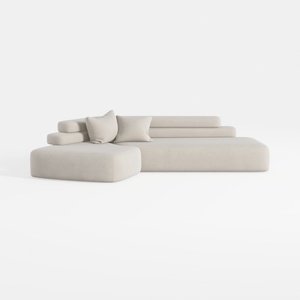
Minimalist Fabric L Shape Sectional Sofa 3D Model
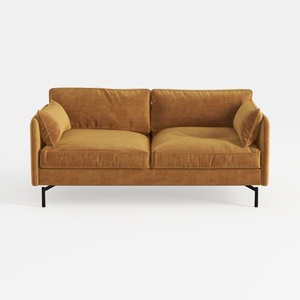
Modern Velvet Upholstered 2 Seater Sofa With Black Metal Legs 3D Model
Homestyler is your go-to online home design platform, perfect for any design enthusiast. Enjoy its user-friendly design tool, stunning 3D renderings, and a wealth of inspiring projects and video tutorials to transform your space into a design masterpiece with ease.
立即免费设计
































