

Creating a multifunction (MF) event hall involves more than just maximizing seating within a rectangular space. It's about skillfully arranging lighting, movement, acoustics, and sightlines to ensure each type of event feels purposefully facilitated. I adopt a program-centric approach: identifying primary event formats such as banquets, theaters, classrooms, cocktail settings, and exhibitions, while evaluating circulation paths to ensure efficient service turnover. Research shows that adaptable environments lead to a 52% increase in perceived effectiveness, an essential insight for event spaces where flexibility enhances both guest satisfaction and revenue generation.
The effectiveness of a hall fundamentally relies on good lighting, ergonomic considerations, and acoustic performance. The IES suggests lighting levels of 300–500 lux for multi-use assembly areas during setup and task phases, with the ability to dim down to 50–150 lux for presentations and dining atmospheres. Additionally, WELL v2 highlights the necessity for glare reduction, proper color rendering, and noise control, all of which foster comfort and cognitive efficiency. I aim for lighting levels of around 350–400 lux for general use, 150–200 lux during dining, and a delicately controlled 100–150 lux for keynote speeches, using layered circuits for smooth transitions. For further standards and governance, refer to IES guidelines and WELL v2 at wellcertified.com.
Establishing the Spatial Framework
I start by determining clear spatial ratios for the venue. A flexible hall should accommodate approximately 1.0–1.4 m² per individual for theater configurations, 1.5–1.8 m² per individual for classroom arrangements, and 1.8–2.4 m² per individual for banquet setups (including circulation space). Areas designated for pre-events should roughly comprise 30–50% of the hall's capacity to avoid congestion at registration and food service points. Main aisles should measure at least 1.8–2.1 meters in width, with cross-aisles of about 1.2 meters to maintain clear egress and a welcoming flow.
When designing layouts for clients hosting weddings, seminars, and exhibitions, I assess various seating densities and stage placements before finalizing materials. Utilizing a room layout planning tool enables us to verify sightlines, food service pathways, and audio-visual equipment setups from the outset, thus mitigating expensive modifications later on. Tools like interior layout planners can effortlessly demonstrate configurations for banquets, theaters, and exhibitions, allowing for a seamless visual planning experience with draggable elements.
Stages, Screens, and Sightlines
The dimensions of the stage and presentation area critically influence the attendee experience. To ensure all viewers can see properly, keep the furthest audience member within 6 times the height of the presentation (the 6H rule) for readable text; aim for 4H for presentations rich in detail. For most audiences seated up to 30 meters deep, stage heights of 450–600 mm are optimal; beyond this depth, tiered risers or specialized camera setups may be necessary. If the venue is used for weddings, maintain a clear service corridor behind the stage measuring at least 2.4–3.0 meters for easy access for performers and suppliers.
Effective Lighting Layers
I establish three key lighting layers: ambient (to provide uniform illumination with glare control), focal (targeting the stage, lectern, and head table), and decorative (including pendants and wall features). High Color Rendering Index (CRI) lamps (≥90) are ideal for events centered on attendees, along with light temperature settings between 2700–3500K to transition effectively from warm hues during dining to neutral tones for presentations. To minimize glare, ensure light fixtures are recessed or shielded, avoiding luminance levels above 3000 cd/m² in participants' fields of view during presentations. Scene presets—Setup, Dining, Presentation, and Dance Floor—should be programmed in advance to allow staff to switch modes quickly.
Acoustic Comfort and Speech Clarity
Excessive echo can diminish the energy in a hall. I aim for a reverberation time (RT60) of 0.7–1.0 seconds for speech-dominant events, with additional sound absorption options installed for amplified music. A combination of acoustic ceilings (NRC 0.75+) and wall treatments (0.50–0.80 NRC panels) at ear level and on rear walls, alongside soft furnishings, will help mitigate unintentional sound reflections. For optimal audio distribution, employing overhead or column array systems ensures even sound coverage, keeping Speech Transmission Index (STI) in the 0.60–0.75 range to enhance clarity.
Furniture Arrangement and Human Considerations
A focus on ergonomics promotes longer stays and greater satisfaction. For banquet settings, I recommend using 66–72 inch round tables for 8–10 people, capping at 8 for comfort, leaving 1.8–2.0 meters between table centers for efficient service. Classroom-style desks should measure 600–700 mm in depth, with a chair spacing of 900 mm for writing and storage. Incorporating aisle breaks every 8–10 seats in theater arrangements enhances egress and minimizes disturbance. Whenever budgets permit, I specify lightweight chairs that can be grouped together, featuring a back rake of 16–18° and a seat height between 450–470 mm for optimal posture during lengthy sessions.
Effective Back-of-House Operations
Operations should be designed with as much care as the front-of-house experience. I ensure service corridors measure 1.8–2.4 m wide, allowing two trolleys to pass freely. Additionally, routing from the loading dock to the catering prep areas and stage should be as direct as possible. Storage facilities must accommodate at least one complete alternative layout (for example, the entire set of banquet tables when transitioning to a theater format), in addition to AV equipment. It’s crucial to have modular power and data systems: floor boxes should be spaced 6–9 m apart, with 20–40 A circuits located at stage left and right, and AV power needs to be dedicated and isolated from dimming controls to minimize noise interference.
Atmosphere and Color Psychology
Colors influence behavior and perception significantly. Warm neutrals coupled with muted accents promote a calming environment suitable for dining and celebration, while cooler, high-contrast palettes are more effective for focused activities such as seminars. Findings in color psychology indicate that blue-green shades can enhance feelings of calmness and spaciousness, whereas bright reds can stimulate excitement but should be used judiciously to prevent fatigue. My approach often involves pairing a neutral base (LRV 50–70) with tunable lighting options to set the ambiance without constraining the operator to a single design style.
Durability and Sustainable Material Choices
Multipurpose event halls must withstand heavy use, spills, and frequent rearrangement. I prefer woven solution-dyed carpets for their acoustic benefits and stain resistance, or robust luxury vinyl tiles (LVT) combined with strategic area rugs. Millwork near bars and buffet areas must be particularly durable—high-pressure laminates or resilient wood veneers with edge protection are advisable. Whenever feasible, I choose low-VOC finishes and Forest Stewardship Council (FSC) certified wood. WELL v2 encourages material transparency and strategies that enhance air quality, benefiting both staff and guests. For hardware with a long lifespan, I opt for replaceable LED modules and serviceable drivers to help reduce waste and downtime.
Lighting Control, AV Integration, and Technology
Designing the hall's control system is akin to programming a stage. A central system should oversee dimming, shading, projection, and microphone routing, featuring preset scenes for varied uses. Redundant input options—such as HDMI/HDBaseT, balanced XLR, and Dante-ready networks—are essential. For hybrid events, ensuring that camera lighting achieves 500–700 lux on speakers' faces while being separate from the room's ambient light is critical to prevent overexposure for in-person attendees.
Circulation, Entrances, and Life Before Events
Pre-event areas serve a vital function beyond just queuing; they build anticipation. It’s essential to design these areas with spacious perimeters that incorporate clear signage, registration counters, and power outlets at bar-height tables every 3–4 meters. Restrooms and cloakrooms must be easily accessible within 30–45 seconds after entering. For programs involving multiple simultaneous events, designing acoustic vestibules and using directional lighting can effectively manage guest flow while controlling sound bleed.
Designing for Flexibility: Operable Walls and Rigging
Well-planned operable partitions can significantly increase revenue. It's important to align track installations with structural bays and maintain dedicated ceiling spaces to achieve proper acoustic seals. Seek STC 53+ rated partitions to ensure effective sound separation. Additionally, a reasonably distributed rigging grid capable of handling 200–500 kg points allows for lighting, decor, and signage setups without necessitating temporary scaffolding.
Effective Wayfinding and Branding Experiences
Creating coherent signage, consistent iconography, and recognizable landmarks can simplify navigation and reduce cognitive load. I incorporate brand themed changeable elements—like digital signage, magnetic panels, and versatile backdrop systems—allowing the space to seamlessly shift from corporate annual meetings to vibrant wedding celebrations without the need for repainting or significant alterations.
Operational Strategy: Efficiency and Storage Planning
Speed is critical for profitability. Achieving turnover of 60–120 minutes between daytime seminars and evening events is feasible when storage is located within 20–30 meters of the main hall, and routes avoid public paths. I label storage by layout type rather than product category to streamline the setup process, ensuring teams can find kits (for example, “Theater for 300 guests”) quickly without searching for individual items.
• Theater setup for 300 pax: 1.0–1.2 m² per person; an ideal sightline radius to center stage; two side aisles with a camera platform at the rear having 1.2 m perimeter clearance.
• Banquet for 200 pax: 11–13 tables seating 8 guests each; ensure 1.8–2.0 m between table centers; allocate a 3.0–3.6 m dance floor on the short axis near the AV/DJ setup.
• Classroom for 150 pax: utilize 700 mm deep desks with 900 mm spacing; maintain main aisles at 1.8 m with power access at every second row's floor box.
Referencing Evidence and Standards for Decision Making
User satisfaction is closely linked to adaptability (Gensler); high-quality lighting and comfort influence cognitive performance and wellbeing (WELL v2). Furthermore, adhering to recommended illuminance ranges (IES) helps mitigate visual fatigue while creating the desired ambiance. Relying on these standards empowers operators to create versatile, future-ready venues capable of hosting a diverse range of events efficiently.
Frequently Asked Questions
Q1. What lighting levels are ideal for a multifunctional hall?
A1. Strive for 300–500 lux during preparatory and task phases, 150–200 lux for dining services, and 100–150 lux for presentations, all operated via dimmable, glare-control systems as per IES and WELL v2 guidelines.
Q2. How much space should I consider per person for various layouts?
A2. Theater layout: 1.0–1.4 m²
Q3. What acoustic metrics enhance speech comprehension?
A3. Aim for an RT60 of around 0.7–1.0 seconds for speech-intensive events and design with an STI of 0.60–0.75. Combining ceiling and wall absorption treatments with distributed audio will help avoid hot spots in sound coverage.
Q4. What strategies help maintain effective sightlines to the stage and screens?
A4. Implement the 6H rule for optimal distance to presentation displays (4H for detail-rich material). A stage height between 450–600 mm serves most spaces well; consider risers or IMAG setups for deeper venues.
Q5. Which dimensions for tables and seating support user comfort?
A5. For banquets, use tables that are 66–72 inches; limit seating to 8 per table to ensure comfort. Choose chairs with a seat height of 450–470 mm and a back rake of 16–18° to help minimize fatigue during extended sessions.
Q6. What considerations facilitate quick event turnovers?
A6. Position storage within 20–30 m of the venue, organize materials by setup type, design the service corridors to be wide (1.8–2.4 m), and pre-program lighting and AV scenes for rapid changes in settings.
Q7. Which color schemes can serve both wedding and conference events effectively?
A7. Utilize a neutral foundation (LRV 50–70) along with tunable white lighting (2700–3500K) to create varied moods. Reserve bold colors for temporary decorations to maintain flexibility in design.
Q8. Are operable walls worth the investment?
A8. Absolutely, as long as they are designed with STC 53+ assemblies, aligned tracks to structural elements, and appropriate seals. They allow simultaneous bookings and can significantly boost revenue without compromising guest experience.
Q9. How can I support hybrid events without diminishing in-room experiences?
A9. Layer dedicated vertical lighting that achieves 500–700 lux to illuminate speakers while maintaining warmer ambient light for the audience, and ensure AV systems have independent power supplies to limit audio interference.
Q10. What types of flooring are best for durability and acoustic properties?
A10. Opt for woven solution-dyed carpet tiles that provide both acoustic benefits and stain resistance; these should be paired with durable luxury vinyl tiles in high-traffic areas for ease of cleaning.
Q11. What are the recommended aisle widths?
A11. Maintain main aisles at 1.8–2.1 m wide, with cross aisles measuring 1.2 m. Incorporate aisle breaks every 8–10 seats in theater formats to enhance egress and minimize disturbances.
Q12. What capacity for rigging should the ceiling provide?
A12. Installing a distributed rigging grid with points capable of handling loads between 200–500 kg will accommodate standard needs for lighting, decor, and signage setups without resorting to temporary scaffolding.
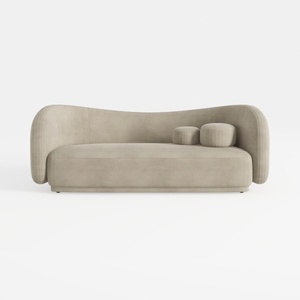
Minimalist Velvet Curved Living Room Sofa 3D Model
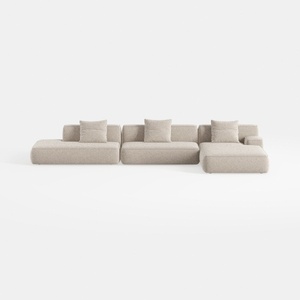
Minimalist Boucle Fabric L Shaped Sectional Sofa 3D Model

Modern Minimalist Black Metal Round Nesting Coffee Table 3D Model
Discover the power of Homestyler for all your home design needs! This user-friendly platform features an amazing online design tool, stunning 3D renderings, inspiring design projects, and helpful DIY video tutorials. Bring your creative visions to life effortlessly, whether you're a novice or a seasoned designer!
Progetta ora GRATIS
































