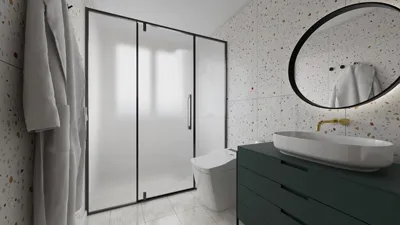


Over the last decade, I have successfully replanned and redesigned numerous community halls, recognizing that the most effective spaces do more than just look aesthetically pleasing—they adapt to various needs, influence behaviors, and operate efficiently under varying demands. For venues like Nabar Guruji Hall, which serve multiple purposes, effective circulation, acoustics, lighting, and storage solutions are crucial. By addressing these elements with careful intent, such spaces can transform into hubs for cultural events, classes, markets, and community meetings. Research from Gensler shows a direct correlation between space quality and user satisfaction; recent findings have connected improved environmental factors with enhanced perceived effectiveness (Gensler Research Institute). Additionally, WELL v2 emphasizes that proper lighting, acoustics, and ergonomics contribute significantly to occupant well-being and cognitive performance, illustrating that effective event design goes beyond mere visual appeal—it yields tangible outcomes (WELL v2).
In a multi-functional hall, the lighting design can significantly influence user experience. The Illuminating Engineering Society (IES) recommends that for reading and writing tasks, lighting should fall within the 300 to 500 lux range, while social ambient lighting may need to be lower, around 100 to 300 lux, depending on the activity. Research from Steelcase links glare and visual discomfort to reduced attention levels and increased fatigue, particularly noticeable during lectures or extended ceremonies. By implementing a versatile layered lighting strategy—featuring dimmable ambient light, focused task lighting, and accent lighting for performances or displays—you can enhance comfort across various formats. This flexible lighting approach not only diminishes strain but also facilitates smooth transitions between different events, whether it’s recitals or community town halls, making tools like Homestyler valuable for visualizing these lighting scenarios.
Designing the Core: Versatile Spaces and Efficient Circulation
Modularity is key for community halls to flourish. I typically establish three adaptable zones: a primary activity area, a supporting zone (which includes storage, preparation spaces, and AV setups), and a welcoming entry point. This entry point sets the mood and controls the flow of movement—providing clear signage, coat drop-off areas, and a small check-in space can significantly reduce congestion during peak times. To optimize the spatial layouts—testing seating arrangements, vendor pathways, or dance floor configurations—I frequently use room layout tools like Homestyler to simulate and evaluate sightlines, aisle widths, and emergency exits before making any furniture purchases.
Seating Configurations: Flexibility Through Design
Instead of focusing on one-off arrangements, think in terms of archetypal designs that can be reused. This approach will streamline your processes:
Utilize chair carts and foldable tables to adapt formats rapidly within a 30 to 45-minute window. Color-code your storage areas for quick identification and label furniture sets based on their designated archetype.
Sound Management: Taming Echo Without Sacrificing Energy
Many halls struggle with excessive echo or complete sound absorption. The goal should be a balanced reverberation time (RT60) between 0.8 to 1.2 seconds for clear speech, with a slight increase for musical events if desired. Incorporate broad-band sound absorbers, like wall panels and ceiling clouds, along with diffusers to maintain lively, intelligible sound. Retain hard surfaces where durability is essential—like flooring and lower walls—and employ curtains or retractable acoustic screens to adjust the space for different functions, whether for lectures or concerts. It’s also vital to insulate the check-in area from unnecessary noise to ensure conversations don’t compete with stage audio.
Illumination Strategy: Balancing Light, Color Temperature, and Glare
Implementing a layered strategy can rectify most lighting issues:
Opt for 3000 to 3500K for warm gatherings (such as banquets or cultural evenings) and 3500 to 4000K for training sessions and civic meetings. Arrange lighting fixtures to prevent glare directly in the line of sight; using baffles or shields near projection screens is advisable. Scene presets enable quick transitions from one setting to another, such as switching from "Ceremony" to "Workshop" without needing to rearrange the lighting setup.
Color Use: Influencing Mood to Drive Engagement
Colors can subtly guide behaviors. According to research from Verywell Mind, warm tones are often perceived as inviting, while cooler tones help enhance focus and calmness. In community halls, I maintain neutral colors on large surfaces (like soft grays and warm whites) to avoid clashes with event branding. Subsequently, I introduce flexible colors through drapery, mobile screens, table linens, and lighting gels. A calming primary palette reduces visual fatigue, while accent colors can signify specific areas—like cheerful tones in a children’s craft section or vibrant anchors for vendor pathways.
Human Experience: Comfort, Accessibility, and Flow
To optimize ergonomics in a hall setting, it’s essential to consider reach, posture, and movement dynamics. Ensure seating offers 450 to 600 mm of personal width and 900 to 1200 mm for clear aisles. Wheelchair accessibility should include turning circles of 1500 mm and step-free access to the stage area. For lectures lasting beyond 60 to 75 minutes, incorporate stretch breaks and standing rails along the perimeter. Adjustable chairs with lumbar support during workshops can enhance engagement and minimize fatigue, while strategically placed water stations and rest areas help manage crowd flow effectively.
Storage Solutions: The Unsung Hero
Multiple-use programs can quickly fail without adequate storage solutions. Ideally, reserve 12 to 18% of the total floor space for storage if the hall regularly changes formats. Implement vertical racks for chairs and tables, secure AV cabinets, and clearly labeled bins for decorations to support fast turnarounds. Plan for separate dirty/clean flow for catering services: positioning staging areas near service entrances, placing mop sinks in back corridors, and ensuring trash routes don’t interfere with guest pathways.
Stage Management and AV: Ensuring Clarity in Communication
The success of an event is contingent upon the clarity of the message delivered. For medium-sized halls, elevate the stage by 300 to 600 mm for better visibility. Maintain a 1:6 ratio between stage height and viewing distance to ensure that expressions and gestures are clearly visible. Invest in quality line-array systems or strategically placed point-source speakers, specifically tuned for speech clarity within the 2 to 4 kHz range. Offer dual projection options—front and rear—to allow flexibility in decorator arrangements. Prioritize cable management as an essential safety measure—avoiding trip hazards through under-mat wiring and dedicated floor boxes.
Material Selection and Upkeep: Prioritizing Durability and Cleanliness
Given their heavy usage, community halls must utilize robust materials. Opt for flooring that is abrasion-resistant and includes acoustic underlayment; rubber or high-performance vinyl are excellent choices for multifunctional use. The walls should feature impact-resistant lower sections (like wainscoting or panels) along with cleanable paint finishes. Where budget permits, prioritize low-VOC finishes and certified sustainable materials; resources like Material ConneXion can help document performance and sustainability characteristics. Moreover, maintain a repair kit and extra finishes on hand for speedy repairs post-events.
Wayfinding and Identity: Enhancing Orientation
A well-designed signage system—including entry, directional, and room identifications—can alleviate confusion. Combine bilingual signs with icons, ensuring high contrast ratios for optimal legibility. A visual feature wall at the entrance can showcase the hall’s name, local stories, or recognition of donors. For community markets and festivals, adaptability through mobile banners keeps the identity fresh without creating permanent fixture clutter.
Operational Efficiency: Clear Guidelines and Roles
Even the most beautiful hall can falter without efficient operations. Developing event runbooks detailing power layouts, counts of furniture by set type, AV checklists, and cleanup procedures can enhance efficiency. Clearly assigning roles—such as front-of-house, technical lead, and logistics—reduces decision-making delays. Establish defined turnover times: aim for a 45-minute shift between lectures and banquets with dedicated teams working from the edges towards the center. The best results arise from merging thoughtful design with systematic processes.
Layout Strategy: Rapid Prototyping for Optimal Flow
Before finalizing designs, it is crucial to prototype the event flow. Map out entrances, registration areas, seating blocked layouts, stages, and back-of-house logistics. Identify potential bottlenecks—are restrooms adequately accessible, can elderly attendees reach exits without fuss, and will vendor areas obstruct flow during peak activity? Utilizing an interior layout planner with a simulation tool can help verify sightlines, aisle widths, and emergency egress plans without physically moving furniture.
Visual Design Ratios and Consistency
Maintaining consistent visual elements is vital: align seating arrangements with lighting patterns and mirror stage shapes in ceiling designs. Employ ratios such as 1:1.618 or 1:2 in backdrop and proscenium to minimize visual discord. Avoid overly intricate designs near focal points to allow speakers and performers to stand out as the visual centerpiece.
Community Engagement: Establishing a Regular Calendar
Successful programming shapes the design, which in turn defines success. Establish consistent weekly activities—youth classes, senior gatherings, and artisan markets—along with signature monthly events like cultural showcases or civic forums. Predictable scheduling drives community attendance and encourages volunteer involvement, enhancing the hall's role as more than just a space—it becomes a necessary part of the community's routine.
Immediate Impact Tips: Simple Strategies for Quick Improvements
- Develop three lighting scenes (Ceremony, Workshop, Market) and label wall controllers for easy access.
- Standardize seating stacks based on count (e.g., eight chairs per stack) to facilitate quick deployments.
- Incorporate retractable acoustic screens on side walls to mitigate echoes during speeches.
- Ensure two dedicated 20A circuits are accessible at stage wings for reliable AV support.
- Maintain a mobile welcome cart equipped with badges, pens, and necessary spare cables for events.
FAQs
Q1: What lux levels should I target for different event types?
A: Aim for ambient lighting of around 200 to 300 lux for social events, 300 to 500 lux for workshops and meetings, and more than 500 lux for task surfaces. These guidelines align with standard IES recommendations for visibility and comfort.
Q2: How do I reduce echo without extensive carpeting?
A: Combine ceiling clouds, fabric panels, and diffusers with durable hard flooring while enhancing perimeter sound absorption using curtains to maintain a target RT60 of about 0.8 to 1.2 seconds for effective speech clarity.
Q3: What are the ideal clearances for seating to facilitate quick movement?
A: Maintain aisles of 900 to 1000 mm, with cross-aisle clearances of 1200 mm, and ensure a turning radius of at least 1500 mm for wheelchair users to navigate comfortably.
Q4: What color temperatures are best suited for varying programs?
A: Use color temperatures between 3000 to 3500K for warm gatherings and 3500 to 4000K for training and civic meetings to enhance alertness without harshness.
Q5: How can I switch layouts in less than an hour?
A: Pre-label furniture according to archetypes, store them in mobile racks, and designate a turnover team with a comprehensive runbook. Utilizing a design visualization tool can also facilitate pre-planning of seating arrangements and cable pathways.
Q6: Which AV components help prevent last-minute challenges?
A: Ensure you have dual projection options, dedicated power circuits, spare microphones, and properly managed cables to enhance safety. Adjust speakers to prioritize the 2 to 4 kHz frequency range for optimal speech clarity.
Q7: Are there ergonomic seating guidelines for workshops?
A: Provide tables at a height of 720 to 750 mm, ensure a depth of 900 mm per participant, use chairs with lumbar support, and schedule breaks every 60 to 75 minutes to minimize fatigue and maintain focus.
Q8: How should storage be organized for multi-functional halls?
A: Set aside 12 to 18% of the overall floor area for storage, featuring vertical racking, secure AV cabinets, and color-coded bins for easy identification. Keep service routes distinctly separate from public circulation paths.
Q9: What are effective strategies for managing crowd flow at check-in?
A: Implement a clear entry point equipped with a welcome desk, queuing stanchions, and visual guides. Position the desk thoughtfully to avoid conflicts with main entrance flow while ensuring a clear pathway of 1500 mm.
Q10: Can effective lighting improve audience engagement during lectures?
A: Absolutely. Research shows that minimizing glare and achieving balanced lighting promotes enhanced focus among attendees. Incorporate dimmable ambient lights combined with task lighting to optimize the experience, avoiding direct glare.
Q11: How can I facilitate community markets without permanent fixtures?
A: Utilize modular booths, mobile power outlets, and adaptive signage. Creating aisles of 2 to 2.5 m helps to organize space while keeping vendor storage hidden behind partitions to maintain a tidy public appearance.
Q12: What sustainable practices should be implemented in community halls?
A: Select low-VOC finishes, durable materials with lengthy lifespans, and design for ease of repairs. Material libraries, such as Material ConneXion, offer valuable information regarding verified performance characteristics.

Minimalist Brown Leather L-shaped Sectional Sofa 3D Model
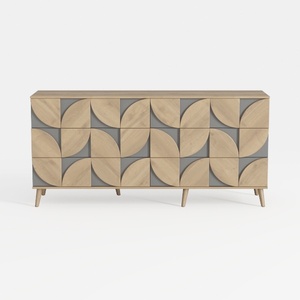
Modern Geometric Pattern Solid Wood Sideboard Cabinet 3D Model

Minimalist Brown Velvet L Shaped Sectional Sofa 3D Model
Homestyler is your go-to online home design platform! With its user-friendly design tool, stunning 3D renderings, a plethora of design projects, and engaging video tutorials, you can easily transform your space into your dream home. Start creating today!
تصميم الآن مجانا
































