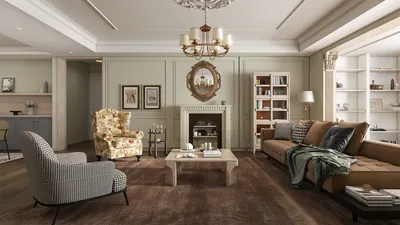


When designing modern halls, I see it as a dance of daily activities—where light, proportion, and materials blend seamlessly to create a space that feels effortless, stylish, and functional. An effectively designed corridor should draw you in, highlight architectural features, and meet essential needs such as storage, sound control, and safety, all while avoiding visual chaos.
Effective hall designs are supported by data. The WELL Building Standard v2 emphasizes glare management, balanced lighting, and visual comfort, targeting appropriate levels of melanopic lux for optimal daytime alertness while also suggesting techniques for minimizing flicker (WELL v2). Gensler’s research links user-friendly layouts and intuitive navigation with increased satisfaction, indicating that clear pathways and sightlines can alleviate cognitive strain when moving through a space (Gensler Research). These concepts can be applied similarly to residential and hospitality halls, influencing how individuals perceive safety, pace, and spatial transparency.
In my projects, I base hall designs on key benchmarks: achieving 200–300 lux of ambient light for corridors as a standard practice, layering 300–500 lux for art displays or console tables, and maintaining a color temperature range of 2700–3500K to foster a warm, contemporary atmosphere. For optimal width, 42–48 inches works well in tighter residential spaces, while 54–60 inches conveys a more luxurious vibe and allows for comfortable side-by-side navigation. Visual lines are equally important—incorporate visual focal points every 15–25 feet, whether through artwork, niches, or variations in material texture, to ease navigation and minimize the feeling of being in a tunnel.
Light as Priority: Comfort, Rhythm, and Intention
It all starts with the hierarchy of light. In narrower hallways, using diffuse ambient lighting—through cove lights, wall washers, or low-glare downlights—helps eliminate harsh shadows and scalloping. Highlighting artwork or textured walls brings a sense of depth and progression. I often select 2700K lighting for bedroom areas and 3000–3500K for entry and public spaces to balance tranquility and clarity. Consistent beam angles along the hallway are essential, and dimming to 1% provides a cozy atmosphere without altering color quality.
Proportions: Width, Height, and Aesthetic Harmony
The proportions of a space impact perception immensely. A higher ceiling (9–10 feet) paired with a width of 48–54 inches appears more refined. If ceiling height is unchangeable, introduce vertical elements like tall sconces, slatted surfaces, or large art pieces to create emphasis. Disrupt long, unbroken runs with framed openings, shallower niches, or coffered ceilings to maintain visual interest. A clean base reveal or shadow gap along millwork helps the lower edge appear tidy and suspended.
Material Choices: Texture, Maintainability, and Sustainability
Modern hallways thrive on a restrained material palette: matte-finished walls, low-sheen woods, and one accent texture. Opt for durable finishes (washable paints, high-pressure laminates, or microcement) where contact is frequent. In hospitality and multi-family dwellings, I recommend robust flooring with 45–55 dB sound reduction capabilities to keep foot noise minimal. When selecting materials, I prioritize using verified databases that assess durability, emissions, and life cycle to ensure healthier indoor environments (Material ConneXion).
Color and Psychology: Rhythm and Serenity
Colors convey behavioral signals. Soft, neutral tones promote calmness and can make narrower halls feel more spacious. A strategic use of muted accents—such as teal, soft clay, or stone gray—can help define boundaries or direct movement. Cooler neutrals increase perceived brightness, while warmer tones soften the ambiance and pacing.
Acoustic Considerations: Ensuring Quiet Movement
Halls tend to amplify sounds due to hard surfaces. Incorporate soft runners, NRC 0.40–0.70 rated wall panels, and door seals to limit sound transfer to adjoining rooms. In multi-unit dwellings, layering different densities is key: start with resilient underlayment, followed by denser floor coverings and strategic wall absorption at crucial points.
Incorporating Storage: Seamless Integration
By designing consoles, slim benches, and flush cabinets to be part of the wall structure, you ensure clear circulation paths. I typically utilize 10–12 inch deep millwork with recessed handles and concealed illumination to transform a hallway into a functional gallery without disruptive protrusions.
Wayfinding and Flow of Movement
Subtle cues can effectively guide movement: consistent trim depths, rhythmic lighting patterns, and a cohesive material strip that leads the eye forward. If a renovation is on your agenda, utilizing a room layout tool could assist in testing clearances and sightlines before settling on finishes: room layout tool.
Details in Lighting: Managing Glare and Shadows
To reduce glare, ensure fixture cut-off angles are above 30 degrees. In tight hallways, evenly space wall grazing light fixtures, maintaining a setback of 12–18 inches to sidestep hotspots. Using high CRI (90+) maintains the integrity of artwork and materials, while employing low-flicker drivers compliant with best practices prevents stroboscopic effects.
Doors, Entryways, and Transitions
Flush or minimal-casing doors contribute to the corridor’s tranquility. A tonal variation in flooring at room entrances can indicate a change in function without the need for signage. When doors are aligned, staggering jamb reveals or alternating hardware finishes can help evade a monotonous, institutional appearance.
Natural Illumination: Borrowing and Framing Light
For hallways lacking windows, allow light to flow from adjacent rooms through transoms, clerestories, or framed openings. A panel of glass with privacy film can uphold acoustics while enhancing perceived brightness and spatial depth.
Safety and Accessibility
Ensure continuous, unobstructed widths. Handrails may not always be necessary for short residential hallways but should be considered for longer or stepped ones. Use non-slip surfaces at transitions and set night-lighting at 1–2 footcandles to facilitate safe navigation without disturbing occupants.
Styling the Contemporary Hall: Minimalism with Character
Restraint is essential. Featuring one striking piece per section—a large artwork, a sculptural light fixture, or a textured runner—conveys a more modern aesthetic than a cluttered display. Connect the hall to the overall narrative of the home through recurring materials or a tonal progression.
1) Assess widths, door placements, and sightlines. 2) Define your lighting concept with targeted illumination levels. 3) Choose a refined, tactile material palette. 4) Ensure storage is integrated within the walls. 5) Add acoustic solutions where necessary. 6) Style with a single captivating focal point in each section. For layout revisions, using an interior layout planner can help visualize furniture constraints and lighting balance: interior layout planner.
FAQ
For optimal comfort, widths of 42–48 inches suit compact residences, while 54–60 inches creates a sense of luxury and eases movement. In renovations, maintain consistent spacing along the hallway to prevent bottlenecks.
Aim for 200–300 lux of ambient lighting, with 300–500 lux on artwork or tables. Keep the color temperature within 2700–3500K and opt for dimmable, low-flicker drivers aligned with WELL v2 visual comfort standards.
Utilize diffused lighting fixtures, maintain cut-off angles above 30 degrees, and strategically space downlights to avoid overlapping beams. Incorporate wall washers for a gentle vertical glow.
Scrubbable paints, microcement, high-pressure laminates, and durable engineered wood surfaces are excellent options. Combine them with resilient underlayment to minimize noise and enhance acoustic comfort.
Absolutely. Cooler neutral shades can subtly enhance perceived brightness and rhythm, while warmer tones promote a more peaceful flow. Applying accents helps define borders without overwhelming the space.
Seamlessly integrate shallow (10–12 inch) millwork into the walls, employing recessed handles and concealed lighting. Keep floors unobstructed for free circulation.
Introduce visual rhythm with niches, coffered ceilings, material shifts, or focal points every 15–25 feet. Vary lighting scenes to create soft transitions.
Outline door positions, widths, and sightlines, then utilize a layout simulation tool to assess space and focal points: layout simulation tool.
Soft runners, selectively placed wall panels (NRC 0.40–0.70), and door seals. Focus on sound absorption near corners and intersections where echoes are likely to build up.
When privacy allows, yes—borrowing light can enhance perceived spaciousness and lessen dependency on artificial sources, enhancing daytime comfort.
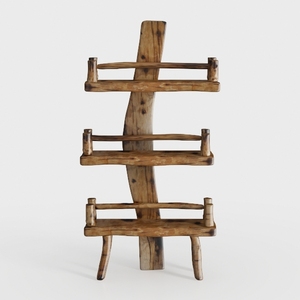
Rustic Solid Wood Free Standing Wall Shelf Decorative Display 3D Model
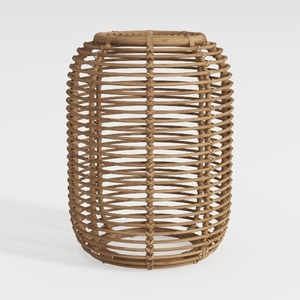
Bohemian Rattan Woven Side Table Accent 3D Model

Minimalist Solid Oak Wall Mounted Floating Shelf 3D Model
Looking to transform your space? Homestyler is your go-to online home design platform! With its user-friendly design tool, stunning 3D renderings, an extensive collection of design projects, and engaging DIY video tutorials, you can effortlessly create your dream home—no prior experience needed!
Desain sekarang Gratis
































