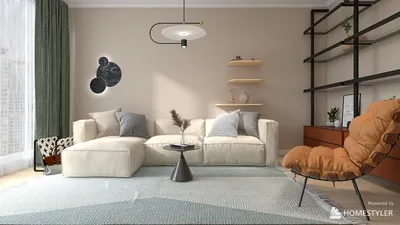


I've always appreciated how the traditional dogtrot transforms limitations into comfort: two compact spaces connected by an open-air passageway that serves as the seasonal core of the home. In warm, humid climates, this open area is anything but wasted space; it acts as an effective passive ventilation zone. Modern versions of small dogtrot house designs adopt this classic style to suit contemporary lifestyles—envision 600–1,200 sq ft for each segment, adaptable interiors, energy-efficient enclosures, and a breezeway designed for genuine use rather than mere nostalgia, making tools like Homestyler invaluable for planning.
For regions with warm weather, cross-ventilation is essential rather than a luxury. WELL v2 guidelines advocate for operable windows and methods that enhance natural airflow to lessen dependency on mechanical cooling systems. The Illuminating Engineering Society highlights that spaces filled with daylight, when combined with glare management, elevate comfort and productivity. Research indicates a positive link between access to daylight and user wellbeing, which, applied to home design, means that an adequately proportioned dogtrot promotes airflow, mitigates heat gain, and converts the shaded center into a livable area. For more on human-centered comfort standards, explore the WELL v2 resources at wellcertified.com and IES lighting standards at ies.org/standards.
Understanding the Modern Dogtrot
Typically, a contemporary dogtrot divides the living spaces: one side encompasses the kitchen, dining, and living areas, while the other accommodates bedrooms, a study, or a versatile studio. The breezeway serves as a midpoint—part porch, part outdoor space. I tend to keep each volume efficient—about 18–22 ft wide—to facilitate cross-ventilation and economical spans. Roof designs can feature symmetrical gables or a gable combined with a flat/low-slope roof for concealing modern utilities like photovoltaic panels and mechanical systems, with tools like Homestyler helping visualize these elements.
Designing the Breezeway as a Functional Space
Your breezeway should evoke the essence of a welcoming porch, not merely serve as a corridor. I aim for a clear width of 10–14 ft, allowing for lounging, dining, and easy movement without congestion. The orientation is crucial: align the openings with prevailing summer winds to maximize ventilation while framing scenic views you genuinely want to enjoy. To assist in visualizing layouts and ensuring smooth movement, utilizing a room layout tool like Homestyler can prove beneficial before you begin construction.
Climate-First Strategies: Passive Design
I prioritize passive design approaches before selecting equipment. Extensive roof overhangs (24–36 in) mitigate solar gain, while operable windows or clerestories effectively expel warm air. In humid climates, screens in the breezeway control insects without impeding airflow; conversely, in temperate zones, sliding glass or bifold panels can transform the breezeway into a three-season living space. Smartly positioned deciduous trees alleviate summer cooling loads while allowing winter sunlight to enter.
Light, Glare, and Aesthetic Appeal
Daylight is an asset until glare diminishes its benefits. I strategically position daylight sources to achieve approximately 300–500 lux for work areas as per IES recommendations, complemented by layered artificial lighting: warm tones (2700–3000K) for living areas, neutral (3500K) for kitchens, and dimmable options in the breezeway for evening gatherings. For colors, soft greens and muted blues create a calming atmosphere in the breezeway, while warmer earth tones in the main living area create a harmonious balance—this aligns with findings in color psychology that suggest cooler pigments foster relaxation and a sense of freshness.
Balancing Spatial Ratios and Flow
Proportion is key in compact layouts. I prefer a 1:1.5 ratio for the breezeway (like 12 ft by 18 ft) so it feels like a destination. In the living area, a 12–14 ft clear span coupled with a compact U-shaped or single-sided kitchen maintains airiness. Bedrooms are typically 10x12 ft, incorporating built-ins to reduce furniture bulk. Aim to keep circulation space at or below 12–15% of the total indoor square footage by aligning doors across the breezeway and including pocket or sliding doors to save space.
Enhancing Acoustic Comfort
Openness is a hallmark of dogtrots, yet sound can bounce around. I recommend using soundproofing materials like mineral wool in bedroom walls, resilient channels for ceilings under hard roofing, and soft textures—like woven rugs and upholstered panels—along the breezeway's sheltered side. If the breezeway is intended for evening gatherings, minimize hard flat surfaces or break them up with planters and slatted screens to help soften noise.
Choosing Materials for Durability and Performance
Exterior materials play a crucial role. I often select ventilated cladding (such as fiber cement, charred wood, or metal with a rainscreen gap), standing seam roofs with high solar reflectance index coatings, and rot-resistant decking (either modified wood or aluminum) for breezeway flooring. Inside, low-VOC finishes are vital for ensuring indoor air quality. In hurricane-prone regions, use impact-rated glass and ensure continuous load paths; the breezeway roof should be secured just as rigorously as the adjoining volumes.
Ergonomics for People and Pets
The name ‘dogtrot’ has a practical origin. I include a mud area at one end of the breezeway equipped with a low wash station (18–24 in height), floor drain, and hose bib. Pet-friendly choices—such as matte porcelain tile with R10–R11 slip ratings and durable wall surfaces—facilitate effortless maintenance. For humans, seating surfaces around 17–18 in with supportive cushions work well for outdoor use; dining heights of 28–30 in with sufficient knee space ensure comfort during extended meals outside.
Optimizing Mechanical Systems and Energy Use
It's essential to size the mechanical systems correctly; when used effectively, the breezeway can minimize cooling needs. I favor mini-splits with high SEER ratings and ceiling fans suitable for damp environments. In tightly sealed homes, energy recovery ventilators (ERVs) are ideal for maintaining air freshness when windows are closed. Place photovoltaic panels on the sun-facing roof and utilize the shaded breezeway roof for fans and lighting options. Smart control systems should prioritize ceiling fans before activating cooling to leverage natural airflow benefits.
Maximizing Storage and Flexible Spaces
Effective storage solutions are vital for smaller designs. I incorporate bench bases in the breezeway with concealed compartments for items like shoes, leashes, and outdoor equipment. In private spaces, consider wall-deep niches, headboard storage, and full-height wardrobes. A small study nook near the breezeway can easily adapt from a workspace to overflow space for guests as needed, leveraging tools like Homestyler to visualize utilization.
Conceptual Designs: Three Distinct Scales
Living area: 16x28 ft with a compact kitchen, a built-in banquette, and a combined living/dining zone. Private area: 16x27 ft featuring one bedroom, one bath, and stacked laundry facilities. Breezeway: 10x16 ft, screened and equipped with ceiling fans and storage benches. This layout is ideal for couples or as a remote retreat.
Living area: 18x32 ft including an island kitchen and small pantry. Private area: two bedrooms with a shared bath and a small study. Breezeway: 12x20 ft, adaptable with sliding panels for three-season use.
Living area: 16x34 ft arranged in an open format. Studio area: a flexible workspace or guest suite featuring a murphy bed and a separate entrance—ideal for creative endeavors or multigenerational living.
Site Planning and Landscaping
Position the breezeway to capture prevailing breezes while using deciduous trees for shade on the west side. Implement permeable pathways beneath and around the breezeway to manage water runoff, and integrate a straightforward outdoor kitchen setup (gas, water, and power) along the leeward wall. For nighttime illumination, warm (2700K) lighting should be shielded and low-glare to preserve stargazing opportunities.
Feasibility and Budget Considerations
Two smaller volumes are often easier to develop than a large singular structure. Standardizing spans and window dimensions, using repeatable truss designs, and stacking wet walls can streamline the process. The breezeway's roof can be framed simply, while it's critical to ensure effective water management at the junction where the breezeway meets the climate-controlled volumes—continuous flashing and back pans are essential.
Perfecting Your Layout
I prefer rapid iteration on furniture positioning and door swings before finalizing designs. Verify daylight interaction in both volumes, mock up the breezeway at its full width using painter's tape, and simulate the flow of people and pets during busy mornings. Utilizing a lightweight interior layout planner aids in testing various configurations and ensures clearances early in the design process: interior layout planner.
Frequently Asked Questions
What width works best for the breezeway?
A clear width of 10–14 ft is ideal. At 12 ft, you can arrange lounge seating and navigate around chairs without crowding.
Can I use the breezeway year-round?
Absolutely, but you should design it as a three-season room with sliding glass or polycarbonate panels, overhead heaters, and air curtains as necessary. Additionally, consider an ERV for ventilation when it's closed off.
What roof styles can I choose?
You can opt for paired gables to maintain a historic silhouette or a combination of gables and low-slope roofs for a modern aesthetic, allowing for discreet solar setups. Ensure overhangs are substantial to protect access points into the breezeway.
How can I control glare and enhance daylighting?
Implement exterior shading (overhangs and screens), specify low-reflectance finishes near windows, and include layered lighting at 2700–3500K to harmonize with daylight. Refer to IES targets for tasks requiring around 300–500 lux of light.
Which materials work best for durability?
Consider using fire-resistant or rot-proof materials: fiber cement or metal siding, modified wood or aluminum decking, and corrosion-resistant ceiling fans suited for moisture-rich settings.
What features should I include for pets?
Install a wash station positioned at 18–24 in height, drain capability, durable slip-resistant flooring (R10–R11), and storage spaces for leashes and toys close to exit points.
How can I minimize cooling requirements?
With appropriate orientation, shading, and operable windows, you can significantly decrease reliance on active cooling systems, maximizing comfort through strategic use of fans and mini-splits.
How should I designate areas inside the dogtrot?
Consider zoning: place the dining area near the kitchen and the lounge space closer to the private areas for quieter evenings, ensuring ceiling fan placements optimize airflow over both zones. Utilize weather-resistant fabrics and movable screens to control sunlight.
What techniques reduce sound reflections?
Incorporate soft materials (rugs and cushions), incorporate greenery, and utilize perforated or slatted panels to disrupt sound reflections. Insulate bedroom walls with mineral wool for added soundproofing.
Can I integrate technology into the breezeway?
Yes—implement glare-free task lighting, appropriate shades on brighter sides, and access to power/data at seating height. Additionally, use sliding panels to moderate wind during video calls.
How should I elevate the breezeway in flood-prone areas?
Use piers or stem walls to ensure the breezeway remains lifted and airy; in flood-prone zones, raised foundations can protect living areas while ensuring ample airflow.
How should I plan for future expansions?
Terminate the breezeway with a framed wall that could potentially connect to a future third volume. Pre-installing utilities through capped chases can minimize later disruption during expansion.

Modern Mobile Solid Wood Metal Foldable Dining Table With Storage Shelves 3D Model
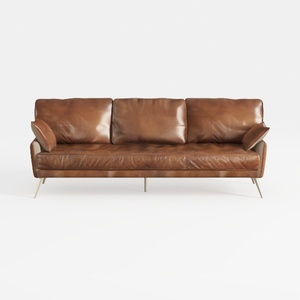
Modern Vintage Leather 3 Seater Sofa With Metal Legs 3D Model

Minimalist Solid Wood Linen Fabric Three Seat Sofa 3D Model
Looking to transform your home? Homestyler is your go-to online design platform! With an intuitive design tool, stunning 3D renderings, a wealth of design projects, and helpful video tutorials, you can effortlessly explore and create your dream spaces, regardless of your experience level.
Design Now for FREE
































