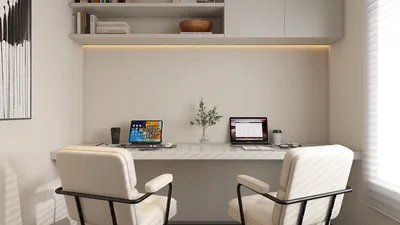


Creating an effective mini convention hall goes beyond just size; it's fundamentally about having a defined purpose, efficient circulation, and a sensory-friendly environment. Throughout my experience with various compact spaces, I've ensured that every inch serves a vital role: welcoming attendees, providing orientation, hosting activities, and facilitating interactions. The most successful small halls are instantly understandable upon entry, can adapt in moments, and are comfortable enough for extended use.
Decisions in design should be data-driven. The WELL Building Standard (WELL v2) suggests that optimal lighting for versatile spaces typically aims for an illuminance level of 300–500 lux, with glare reduction being essential for visual comfort. Additionally, findings from Gensler’s workplace studies consistently show that flexible, choice-rich environments enhance perceived productivity and overall experience, highlighting the importance of modular and multifunctional layouts. These key standards help me find a balance between lighting, furniture arrangements, and zoning, allowing small halls to exceed their apparent limitations.
Color and sound management are crucial for achieving desired outcomes. Studies on color psychology indicate that cooler shades can alleviate the feeling of visual clutter and lessen anxiety, while strategic warm accents can stimulate energy and help with orientation. On the acoustic front, research from Steelcase points to cognitive fatigue stemming from excessive noise, underlining the need for layered strategies involving materials, spatial planning, and behavioral guidelines to maintain clarity of speech while energizing the environment.
Spatial Strategy: Start With Clear Intent
In planning any compact hall, I first clarify the main function: whether it be a keynote address, workshop, poster session, networking event, or a combination of these. This decision shapes seating arrangement, aisle widths, and equipment setup. If the day's events vary, I create two to three foundational setups to support seamless transitions. Utilizing a layout simulation tool such as an interior layout planner like Homestyler can speed up decisions and minimize adjustments during set-up.
Effective Lighting Schemes
I advocate for a multi-layered lighting approach: a consistent ambient level targeted at 300–500 lux, vertical lighting on presentation areas for enhanced visibility, and adjustable accent lights to establish different focal points. Poor glare control can significantly hinder comfort and usefulness—incorrectly positioned downlights can harm visibility and overall atmosphere. According to IES standards, it's essential to achieve appropriate levels of brightness and glare management in multipurpose spaces. I usually recommend 3000–3500K for warm engagement zones and 3500–4000K for clearer task areas near stages and demonstration tables.
Acoustic Management in Compact Spaces
Compact halls are prone to quick noise accumulation. To combat this, I suggest creating an acoustic layering solution: employing sound-absorbing materials on the ceiling (NRC ≥ 0.70), using upholstered seating, and treating walls at first reflection points. Additionally, installing carpet tiles with cushioning significantly mitigates noise during transitions. Research from Steelcase highlights the connection between effective noise management and enhanced focus and well-being; I underscore this by positioning louder sponsor activities away from central areas while using soft partitions for buffering.
Intuitive Circulation
In smaller spaces, I typically establish a main aisle measuring 1.2–1.5 m to accommodate two-way traffic; secondary aisles at 0.9–1.2 m are vital for maintaining accessibility without compromising space. I also ensure clear sightlines that lead from the entry to the stage and at least one additional attraction (like a demonstration area or coffee station) to minimize bottlenecks at entrances.
24 Design Ideas for Mini Halls
Design a shallow stage equipped with a modular background that also serves as an acoustic diffuser and digital display wall. Limit the depth to 0.9–1.2 m while incorporating solutions for cable management and hidden storage.
Adopting a fan or chevron seating arrangement enhances sightlines and alleviates neck strain more effectively than traditional rows. It's essential to maintain 900 mm row spacing for comfort in compact environments.
Nesting chairs and flip-top tables facilitate quick transitions from keynotes to smaller group sessions. I ensure that storage areas are located within 6–8 m of the stage for efficient reconfigurations.
Incorporating two low risers (150–200 mm) at the back of the room enhances audience capacity and sightlines without requiring significant structural changes. Modular risers can be implemented for easy removal.
Heavy draperies on ceiling tracks allow for the creation of pop-up breakout rooms while reducing reverberation. Selecting textiles with NRC-rated linings is beneficial.
A continuous power and data supply along one wall keeps cables organized and off of walkways while supporting sponsor displays and charging stations.
Mobile digital totems aid in wayfinding and serve as overflow screens. Position them strategically during breaks and then flanking the stage during presentations.
Using warm lighting in the range of 3000–3500K in lounge areas, while opting for 3500–4000K in demo and note-taking sectors subtly guides audience behavior and energy.
Opt for low-sheen finishes on floors, walls, and furniture to eliminate glare on screens and reduce eye strain, particularly in areas with intense front lighting.
Designing rounded corners for stages promotes smoother movement and decreases the risk of collisions in tight spaces; they also offer a more aesthetically pleasing appearance in photographs.
Incorporate 1–2 m-deep niches behind the stage for speaker preparation, storage, and audiovisual equipment. This allows for quick access while keeping it discreet.
Utilize 1.5–2 m wide pods equipped with vertical branding and a single demo surface; these are more effective at dispersing audiences than traditional booth setups and improve circulation.
Acoustic clouds above main aisles capture sound where it originates, offering visual cues for main routes.
Design an entryway arch that incorporates schedule signage on one side with a photo backdrop on the opposite side—melding content and navigation in one element.
Employ LED strips along the bases of floors or seat risers to guide latecomers without disturbing ongoing sessions.
Utilize magnetic or zipper-mounted fabric covers that can quickly change between different sessions, maintaining a fresh appearance without the need for dismantling the setup.
Compact lounge arrangements featuring slender arms and tight backs preserve movement corridors and support swift reconfiguration.
A shallow pegboard or slatwall behind draperies conceals microphones, cables, and signage for easy access.
Elevated runners or integrated cable troughs ensure that wiring remains secure and discreet; beveled edges can enhance accessibility.
Strategically placed sound masking at the edges can lessen noise intrusion into lounge areas, enhancing clarity around the stage.
Introduce two or three tall planters to soften acoustics and provide natural wayfinding landmarks. Opt for plant species that thrive in low to moderate lighting.
Ceiling-mounted rails facilitate quick changes of posters while keeping the floor space available for mingling.
A slender standing rail along a wall provides support for quick discussions and alleviates seating pressures during brief presentations.
Install low-level task lighting with a color temperature of 2700–3000K behind setups for safe navigation and prompt technical adjustments for speakers.
Ergonomics and Consideration for User Comfort
I select chairs with a seat height between 430–460 mm and ensure a knee clearance of 150–200 mm to the next row for user comfort. For writing, tables should be at a height of 710–740 mm with matte surfaces to minimize glare. It’s essential that aisle turns near the stage feature extra radius to accommodate AV carts during intermissions.
Understanding Color Impact in Enclosed Spaces
Utilizing calm neutral colors for the primary structure (such as soft gray and muted blues) can create a more spacious feel. I incorporate warm accent colors (like terracotta and muted saffron) to indicate gathering places and sponsor hubs. Insights from Verywell Mind suggest that cooler shades are effective for promoting calmness, while warmer colors stimulate engagement.
Program Flow: Design for Smooth Transitions
The most hectic moments usually occur in the eight minutes leading up to and following a keynote presentation. To mitigate this, I create crew pathways behind draperies, establish designated areas for seating adjustments, and pre-label seating sections based on the type of session. For complex day-long events, I test various models with a room design visualization tool to analyze transit distances, seating configurations, and sightlines: using a tool like Homestyler.
Material Choices and Sustainability Practices
I focus on incorporating modular designs with long-lasting finishes, such as replaceable carpet tiles, powder-coated metals, and low-VOC paints. Choosing fabrics with recycled materials and certified eco-friendly options reduces both environmental impact and enhances acoustic performance. If resources are limited, I prioritize sound treatment at first reflection points and the stage wall for optimal acoustic benefits.
Seamless Technology Integration
I recommend using a centralized AV rack with organized patch panels, ceiling-mounted projectors to maximize floor space, and wireless microphones with clearly designated charging stations. It’s also beneficial to have an extra mobile confidence monitor available for accommodating last-minute speaker changes—small halls greatly benefit from having redundancy in technology.
Smart Lighting Control Solutions
Establish a minimum of four lighting presets: indicative settings for pre-show ambiance, focused keynote lighting (dimmed general illumination, bright stage), a Q&A atmosphere (slightly raised house lights), and turnover scenarios (functional lighting for quick resets). The more predictable these setups are, the smoother the event unfolds.
Success Measurement Strategies
I monitor metrics such as audience capacity, turnover rates, average decibel levels within the main hall, and gather feedback regarding visibility and comfort. These criteria are aligned with WELL guidelines for lighting comfort and sound metrics, and I continuously refine processes. Small halls can perform exceptionally well when every detail is meticulously considered and executed.
Frequently Asked Questions
Aim for an ambient lighting level between 300–500 lux with glare management in place, complemented by elevated vertical lighting for stages and presentation surfaces. This approach aligns with recommendations found in WELL v2 and IES standards tailored for multipurpose areas.
Chevrons or fan layouts enhance sightlines and provide a more spacious feel compared to traditional rows. Ensure main aisles are approximately 1.2–1.5 m wide, with secondary aisles at 0.9–1.2 m for smooth circulation.
Incorporate soft acoustic finishes, such as ceiling clouds (NRC ≥ 0.70), plush seating, acoustic draperies, and carpet tiles. Position noisier sponsor pods at the perimeter while integrating gentle sound masking around the edges.
Utilize cool, desaturated tones for large surfaces to help minimize visual disorder, combined with warm highlights for energy and directional guidance. Insights from Verywell Mind substantiate the idea that cooler colors encourage calm and concentration.
Opt for nesting chairs, flip-top tables, and pre-labeled storage areas near the stage. Establish two to three scene presets and rehearse transitions in advance. Implement a digital layout model to optimize pathways for event staff.
Set lounge areas to a warm 3000–3500K range for conversational settings while employing a cooler 3500–4000K temperature in task and demonstration areas for clear visibility. Be prepared with dimming and scene adjustments for rapid transitions.
Create small pods (1.5–2 m wide) positioned along the edges of the hall, paired with a continuous power/data system to maintain an open seating arrangement without creating bottlenecks.
Centralize audiovisual elements in an organized rack, utilize ceiling-mounted projectors, and wireless microphone systems with clear charging locations. Keeping one rolling confidence monitor handy is also advisable for late changes in content.
Select chairs with heights between 430–460 mm, maintain table heights at 710–740 mm, and ensure approximately 900 mm spacing in aisles. Providing generous knee clearance and smoothing edges at aisle turns is vital.
Absolutely. Install low-level LED indicators along bases, risers, or entry portals to discreetly guide latecomers while ensuring sessions proceed smoothly and routes are clear in low-light scenarios.
Incorporate vertical storage solutions hidden behind drapery, create shallow back-of-house areas near the stage, and employ cable troughs under aisles to maintain a clear surface area.
Track audience engagement, turnover times, average sound levels, visibility ratings, and attendee comfort feedback. Compare these against lighting and acoustic objectives and continually fine-tune both the layout and materials used.
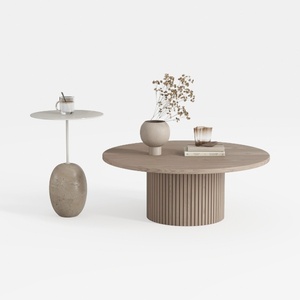

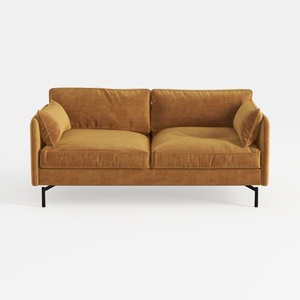
Modern Velvet Upholstered 2 Seater Sofa With Black Metal Legs 3D Model
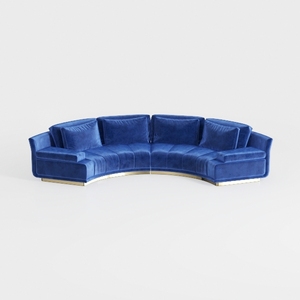
Modern Navy Velvet Gold Base Curved Sectional Sofa 3D Model
Homestyler is your go-to online home design platform, perfect for bringing your visions to life. Enjoy its user-friendly design tool, stunning 3D rendering, and a treasure trove of design projects and DIY video tutorials. Transform your space effortlessly and creatively today!
Design Now for FREE
































