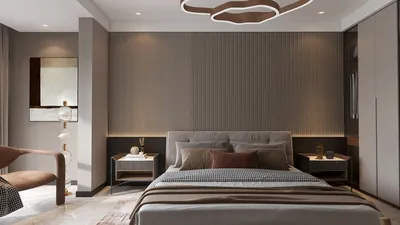


In a past project, I once persuaded a client that leaving insulation exposed would project a bold industrial vibe—until an unexpected rainstorm proved that aesthetics must ensure weather resilience. That experience taught me that creativity must be balanced with practicality when designing metal building offices, and sometimes it’s wise to have a towel handy. For a quick visualization of how a completed design may appear, explore a 3D layout using Homestyler to get inspired with its amazing features: a 3D layout example.
1. Embrace the Framework: Showcasing Structure as Design Element
I enjoy showcasing the metal framework because it offers a raw authenticity that modern offices appreciate. While this approach reduces finishing costs and enhances vertical space, it can lead to acoustics problems and a chilly atmosphere if soft textiles, acoustic panels, or pendant lighting aren’t incorporated.
save pin
2. Creating Zones with Lightweight Dividers
In metal structures, I often opt for glass and sliding partitions to delineate areas without obstructing light; this approach creates an airy feel in a compact office while maintaining adaptability. It’s not only budget-friendly but also quick to set up, though consideration for privacy and sound is necessary when frequent calls occur.
save pin
3. Warm Up the Metal: Insulation, Ceiling Treatments, and Natural Light
The metallic surfaces can be uninviting, therefore, I generally pair insulated panels with dropped ceilings or reclaimed wood slats to introduce warmth and conceal utilities. It’s a delicate balance—while insulation might heighten expenses, it results in enhanced comfort and reduced HVAC bills. You can also look at design solutions from real office layouts to see how others tackled light and thermal challenges: real office layout case.
save pin
4. Versatile Furniture: Mobile, Modular, and Multi-Functional
In spaces defined by steel frames, modular furniture shines—consider mobile desks, collapsible meeting tables, and shared seating that can be adapted for workshops or quiet days. The primary advantage is extensive flexibility, prolonging the furniture’s functionality; however, smart storage is crucial to prevent the area from appearing cluttered like a showroom.
save pin
5. Introduce Personal Touches: Plants, Soft Textiles, and Mini Kitchens
Incorporating greenery, rugs, and a small kitchenette instantly adds a human touch to a metal office; I often design a cozy break area that also serves as an informal meeting spot. If your team spends long hours there, consider a bit of innovation with a compact kitchen—explore how efficiently designed layouts can fit into smaller spaces with a metal office kitchen layout example using Homestyler: metal office kitchen layout. This small investment yields significant improvements in team morale.
save pin
FAQ
Q1: What is the typical cost to convert a metal building into an office?
A: Costs can vary widely depending on insulation types, finish quality, and additional services needed. A straightforward shell-to-office conversion usually starts at a reasonable budget but can increase based on the sophistication of finishes or complex HVAC requirements. I always recommend clients prepare a budget for unexpected structural upgrades.
Q2: What insulation works best in metal building offices?
A: Common insulation options include closed-cell spray foam and insulated metal panels—spray foam is excellent for sealing air leaks, whereas insulated panels streamline installation processes. The best R-value selection will depend on your regional climate and HVAC plan; I typically start by consulting local building codes.
Q3: Is specialized HVAC required for metal buildings?
A: Yes, metal structures benefit from dedicated HVAC systems that ensure proper humidity control because the metal surfaces can radiate temperature extremes. Systems like variable refrigerant flow (VRF) or split options generally provide effective zoned cooling and heating.
Q4: How should acoustics be managed in a large metal office?
A: Employ a combination of soft treatments, suspended acoustic panels, and carpets or rugs in busier areas. Thoughtfully positioned sound-absorbing panels can effectively mitigate echo while retaining the industrial aesthetic I favor.
Q5: Are there specific permitting requirements for metal building offices?
A: Permit requirements vary based on local regulations and the intended use of the space—converting a shell into a commercial office typically necessitates building and sometimes mechanical permits. It's advisable to consult with your local building authority early on during the planning process.
Q6: What flooring options are preferable for metal office conversions?
A: Choices like engineered hardwood, polished concrete, or luxury vinyl tiles are durable and stylistically appropriate. While concrete serves as a budget-friendly, industrial-chic option, incorporating area rugs boosts comfort and sound absorption.
Q7: How crucial is natural light in metal office spaces?
A: It’s extremely important—features like skylights, clerestory windows, or strategically placed openings can transform a stark metal shell into a vibrant workspace. I always prioritize incorporating natural light strategies since they not only uplift mood but also reduce reliance on artificial lighting.
Q8: Are there safety standards I should be aware of?
A: Absolutely—adhere to OSHA guidelines related to workplace safety and ventilation (refer to osha.gov) and review local building codes; for specifics concerning metal buildings, the Metal Building Manufacturers Association (MBMA) provides authoritative design information. Referencing these sources ensures your office will be both compliant and secure.
save pin
Homestyler is your go-to online home design platform, offering a user-friendly design tool, stunning 3D renderings, and a wealth of inspiring design projects. Plus, with DIY video tutorials, you'll have everything you need to transform your space effortlessly. Start creating your dream home today!
Design Now for FREE
































