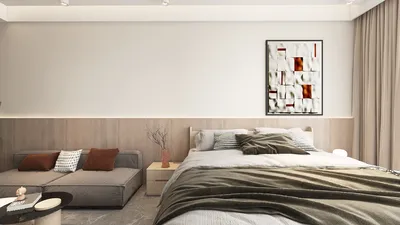


My approach to designing mehdi function halls is driven by a single goal: to craft a warm, joyful space that respects tradition while embracing modern comforts. The success of small events hinges on meticulous attention to light, seating arrangements, circulation patterns, and acoustics, ensuring that rituals such as song, dance, henna application, and family dining flow smoothly. By maintaining the right spatial balance, every guest—from the bride to the little cousins—can have an enriching experience. Using the Homestyler tool can help visualize and plan these intricate designs effectively.
Understanding comfort metrics allows for more informed design choices. The WELL v2 standard recommends keeping ambient noise levels below 50 dBA in focus areas, while performance zones can handle higher sound levels if reverberation is managed via soft finishes. For lighting design, I adhere to IES guidelines that suggest maintaining 200 to 300 lux in social settings, and aiming for around 500 lux at henna stations to minimize eye strain and promote clarity during delicate tasks. These established standards create a pleasant ambience throughout the event.
Recognizing behavioral patterns is critical. Research by Steelcase illustrates that flexible spaces enhance engagement by catering to various activities—socializing, performance, and quietness. In compact mehdi halls, it is essential to integrate a design that accommodates different functions: guests need to mix, view performances, queue for henna, and enjoy meals efficiently. A modular layout with movable furniture and clearly defined movement paths reduces congestion and ensures that everyone has a good view of the dance floor. For further details on this adaptive design approach, refer to Steelcase’s research archive.
Spatial Strategy: Zones That Flow
I outline four primary zones: the Arrival & Photo Backdrop, Performance & Dance, Henna & Calm Seating, and Dining & Dessert. It’s all about sequencing these transitions effectively. Guests enter and move to the photo area, then to the vibrant performance; henna seating is positioned strategically to avoid overcrowding, and dining areas activate later seamlessly without disrupting the main stage. Utilizing simple room layout tools like Homestyler helps in visualizing these zones, ensuring furniture density is just right and sight lines remain unobstructed before finalizing any rentals.
Lighting: Warm, Layered, and Photo-Friendly
Mood is heavily influenced by color temperature. I establish an ambient light setting between 2700 to 3000K for warmth, complemented by accent lighting (3000 to 3500K) to enhance the stage backdrop and floral arrangements. Decorative string lights bring a charming sparkle while avoiding glare; I manage luminance ratios carefully to prevent discomfort. Task lighting at henna tables reaches approximately 500 lux using high CRI bulbs, ensuring precise design applications. Dimmable circuits and distinct lighting zones allow me to shift atmospheres effortlessly between ceremonial moments and dance sessions.
Backdrop & Decor: Cultural Motifs, Modern Balance
In small halls, utilizing vertical space is key for creating an impactful backdrop. A layered display featuring embroidered fabrics, marigold strands, mirror accents, and metallic lattices adds depth without occupying valuable floor space. I balance vibrant colors (mustard, saffron, emerald) with softer creams and muted golds to ensure sharp, appealing photographs. Using warm tones strategically fosters a sense of togetherness and energy, while neutral surfaces help avoid visual clutter.
Seating: Ergonomics for Long Celebrations
With lengthy henna applications and family interactions, seating must offer lumbar support and be around 17 to 18 inches high for optimal comfort. I arrange lounge seating in small groups (4 to 6 chairs) to encourage conversation and ensure clear pathways. Dining tables are set at 30 inches, with 18-inch chairs to maintain good posture over long periods. Additionally, I incorporate at least one accessible route (minimum 36 inches wide) free of thresholds to accommodate mobility devices and strollers.
Circulation: Keep It Moving
Effective circulation may be discreet, yet it is vital for flow. I establish primary lanes of 48 inches around the dance floor and stage, while 36-inch secondary lanes lead to henna and dessert stations. Buffet setups run parallel to walls, keeping the center open to maintain traffic flow. The standard guest journey follows: enter, greet, take photos, watch performances, enjoy meals, and then dance. The DJ booth is thoughtfully positioned to one side of the stage, ensuring it does not hinder visual access, with ample space for cable management to enhance safety.
Acoustics: Celebrate Without Overwhelm
In small venues with hard floors, reducing echo is essential. I incorporate area rugs under seating clusters, fabric backdrops, acoustic banners, and upholstered chairs to absorb sound. Hanging soft lanterns and drapery can help mitigate sound issues if ceilings are high. Speakers are oriented toward the dance area, while subwoofers are kept clear of calm seating to prevent noise disruption. My target reverberation time stays within 0.8 to 1.0 seconds to ensure clear speech intelligibility in smaller rooms, achievable by harmonizing soft surfaces with limited hard materials.
Stage & Dance Floor: Proportion and Sightlines
For intimate gatherings of 80 to 150 guests, a stage measuring 12 to 16 feet wide and 8 to 10 feet deep is ideal, while the dance floor can range from 16 to 20 feet square. I delineate a clear front-of-house line to facilitate movement for both cameras and guests. The stage height should be between 12 and 18 inches to keep performers visible without posing safety risks. Lighting along the dance floor aids orientation as the venue dims.
Henna Lounge: Calm Within the Festivity
The henna application area benefits from a quieter atmosphere and softer lighting. I incorporate table lamps, clamp-on task lights, and surfaces in neutral tones to accurately display the henna color. Side tables with rounded corners are ideal for storing oils, cones, and wipes. A subtle scent (cardamom or rose water) complements the ritual without overwhelming senses. Visual privacy can be achieved with light screens invoking traditional lattice or jali patterns, guiding guest movement while respecting cultural significance.
Dining & Dessert: Efficient and Inviting
To expedite buffet lines, I recommend 2-sided service when space permits. A gap of 18 to 24 inches between chafers and the guest edge allows easy plate passage without collisions. Dessert stations near the photo backdrop invite mingling post-dinner. Using warm lighting on desserts makes them appear more enticing; I prefer matte metallics or carved wood platters to reduce glare, ensuring appealing photographs.
Material Palette: Tactile, Durable, Sustainable
I blend breathable materials like cotton, silk, and jute with low-VOC finishes for sustainability. Employing reusable floral decorations alongside fresh marigold strings minimizes waste while preserving authenticity. Slip-resistant mats at entry points ensure guest safety in case of spills. When possible, I choose rentals made from FSC-certified woods and washable drapery to lessen our ecological impact at the event.
Power, Tech, and Safety
I use dedicated circuits for the DJ, stage lighting, and catering equipment to prevent tripping hazards. Cable covers must line circulation routes, and GFCI protection is essential for any wet bar areas. I prefer app-based lighting control for quick scene adjustments by the MC. It's critical to keep emergency exits unobstructed at all times, ensuring signage remains visible even in dense decor settings.
Color Story: Harmonizing Tradition and Photography
I find that jewel tones—emerald, ruby, and teal—pair beautifully with marigold and brass accents. Adding a cooler balance of shaded blue or sage helps temper warmth, enhancing skin tones in photographs. According to insights from Verywell Mind on color psychology, warm hues can energize and encourage sociability; thus, I concentrate them at focal points while allowing guests' attire to take the spotlight.
Layout Tips for Tight Rooms
In smaller halls, I design décor elements to draw vertically and create open dance areas separated by floating lounge seating. A centralized square dance floor with surrounding lounge areas helps maintain vibrant energy. Before finalizing any layout, I utilize an interior design planner like Homestyler to simulate clearances, table arrangements, and camera angles effectively.
Budget-Smart Upgrades
When budget constraints arise, I focus on three impactful enhancements: a visually appealing layered stage backdrop, strategically placed accent lighting, and acoustically treated seating. These upgrades provide enhanced atmosphere, visibility, and comfort without breaking the bank. Renting textiles and choosing modular décor allows quick assembly and disassembly, effectively reducing venue fees.
FAQ
My goal is to provide ambient lighting at 200-300 lux with task lighting reaching 500 lux at henna stations, in alignment with IES recommendations for social and task areas.
I maintain warm ambient lighting within the range of 2700-3000K, with slightly cooler highlights (3000-3500K) to preserve warmth while ensuring natural skin tones in photos.
I suggest maintaining 48-inch primary circulation pathways surrounding the dance area, positioning the DJ booth off-axis, and arranging seating in pods to facilitate unobstructed movement.
To reduce sound reverberation, incorporating area rugs, upholstered seating, fabric backdrops, and soft drapery is effective; my aim is to achieve approximately 0.8 to 1.0 seconds RT for optimal speech clarity.
For optimal experiences, a dance floor that's about 16 to 18 feet square typically suffices, scaling up to 20 feet is feasible based on guest activity levels.
My seating design includes chairs with lumbar support and a seat height of 17-18 inches; I also integrate task lighting and rounded side tables to enhance comfort and safety.
I place buffet setups parallel to the wall to create smooth traffic flows while keeping the center open; I provide 18-24 inches of space between chafers and guests for unhindered plate movement.
Employing a layered vertical backdrop featuring textiles and marigolds is essential; I keep peripheral surfaces neutral to reduce glare and visual overwhelm.
Absolutely; having dedicated control for ambient, stage, and task lighting allows seamless transitions during both ceremonial and dance phases.
I specialize in natural materials such as cotton, silk, jute, and low-VOC finishes; my approach fuses reusable florals with fresh marigold strings to maintain cultural integrity.


Homestyler is your go-to online home design platform! With an easy-to-use design tool, stunning 3D renderings, and a wealth of DIY video tutorials, you can effortlessly create and visualize your dream space—perfect for both beginners and design enthusiasts!
Projete agora para LIVRE
































