

I create event spaces that embody a sense of ease—environments where guests can engage, socialize, and create lasting memories without recognizing the intricate planning involved. The most effective designs transition seamlessly from cozy lofts to expansive hotel ballrooms, adeptly addressing circulation, acoustics, lighting, and service pathways. In my recent work within workplace and hospitality settings, I've observed how certain design principles consistently enhance the guest experience, much like the innovative tools offered by Homestyler.
When it comes to designing social areas, data plays a critical role. Recommendations from WELL v2 suggest that the ideal maintained illuminance for versatile hospitality spaces hovers between 300–500 lux for general activities, while allowing adjustments for mood settings; warmer color temperatures around 2700–3000K encourage relaxation and foster social connections. Research from Steelcase indicates that spaces that provide a variety of choices—areas for quiet discussions, lively entertainment, and recharge zones—enhance satisfaction and alleviate stress, principles that are directly applicable to event venues. These metrics ensure that ambiance, visibility, and comfort align with human behaviors, much like the features integrated into the Homestyler platform.
Acoustic considerations are equally vital in space design. Research by Gensler highlights that noise stands out as a primary complaint in both workplace and hospitality settings; thus, managing reverberation time (RT60) to around 0.7–1.0 seconds in event halls ensures clarity without sacrificing vibrancy. Employing soft materials, strategic partitions, and a variety of sound sources is more effective than merely amplifying sound. I design projects with ceiling and wall absorptive materials in high-noise areas, and use diffusion techniques behind performance areas to maintain energy in high-activity zones without disrupting quieter spaces.
Scale and Proportion: Setting the Right Atmosphere
All event spaces begin with understanding spatial dimensions. Typically, I allocate 35–45% of the floor area to circulation and activity zones (dance area, bar access, stage visibility), 40–50% for seating arrangements and conversation areas, and the rest for service and back-of-house functions. In smaller venues, I prefer using perimeter seating to maximize the central area for versatile programming; for larger spaces, I establish a primary focal line—entering to a main stage—and extend secondary pathways toward bars and lounges. The sightline triangles (entry to bar, bar to stage, stage to lounge) assist guests in navigating without relying solely on signage.
Layout Strategies for Various Space Sizes
In intimate venues (under 1500 sq ft), a strong focal point—typically a bar or entertainment spot—plus two small zones for conversations functions best. To optimize circulation, narrow tables (24–30 inches) are essential, along with mobile furnishings (rolling drink stations, stackable seating) to quickly shift the setting from a cocktail style to a dance floor atmosphere. For medium-sized halls (1500–5000 sq ft), implementing a central plaza with adjoining bars can be beneficial. I often place the bar opposite the stage to balance crowd flow and sustain energy throughout the space. In expansive ballrooms (5000 sq ft and above), my preferred design is a hub-and-spoke layout: a central dance area surrounded by VIP lounges, tasting stations, and photo opportunities—all possessing unique acoustic characteristics.
Utilizing a room layout planner can facilitate testing furniture layouts and service pathways, akin to the virtual design capabilities offered by Homestyler. This tool helps visualize seating configurations and bar placements for optimal flow.
Mood-Enhancing Lighting Design
I approach lighting in layers: an initial ambient level (300–500 lux, dimmable), focused accents on bars and stages, and a versatile mobile layer—battery uplights or LED pinspots—to modulate the atmosphere throughout the evening. Warmer color temperatures (2700–3000K) are flattering and inviting; I steer clear of harsh 4000K+ lights in social environments. Effective glare management—using shielded sources, indirect light placements, and low-UGR fixtures—is essential for guest comfort. A simple lighting schedule—Arrival (invitingly bright), Dinner (softer ambient light, brighter pinspots), Dance (muted base, vibrant accents), Last Call (gradual soft lighting)—assists staff in providing a seamless experience.
Achieving Acoustic Comfort Without Compromising Atmosphere
Party venues seldom require absolute silence, but rather, they benefit from clear sound and warm energy. To address this, I start with an absorptive ceiling (NRC 0.7+) in critical areas, add fabric-wrapped acoustic panels near lounging spots, and utilize heavy curtains on tracks to adjust RT60 for speaker clarity. Subwoofers are placed on isolating pads to minimize vibrations. For stages, I recommend adding slatted wood or perforated metal with acoustic backing to diffuse sound frequencies effectively. Distributing speakers throughout the venue prevents concentration in specific areas, avoiding the need for increased volume.
Understanding Color Psychology and Visual Rhythm
Color influences the energy of a space. Insights from Verywell Mind highlight how red ignites excitement while blue calms; therefore, I carefully blend vibrant accents with a neutral groundwork to prevent overwhelming visuals. In practice, I create rhythm using recurring elements—arched drapes, textured bars, or cluster arrangements—to ensure that the eye swiftly comprehends the area. Metallic tones (brass, champagne, smoked chrome) add dimension when under warm lighting, while matte surfaces help minimize glare. For themed events, I prefer using temporary color enhancements—lighting filters, fabric coverings, floral arrangements—over permanent alterations.
Durability and Sustainability in Material Choices
Event spaces endure a significant amount of wear and tear. I prioritize high-quality materials featuring over 100,000 double rubs, stain-resistant surfaces, and secure flooring (COF ≥ 0.6 wet in drink areas). Focusing on low-VOC options and sustainably sourced timber is advantageous whenever feasible. Using reusable decorative elements—modular arches, adaptable signage, rental fabrics—reduces waste throughout the seasons. Stone-composite bar surfaces resist damage from citrus, while textured vinyl or rubber flooring in bar areas withstands dents and moisture.
Route Planning for Efficient Service Delivery
Successful events hinge on smooth service operations. I design distinct paths for staff and guests, incorporating service nodes every 30–40 feet in larger spaces for bus stations, water reserves, battery storage for lighting equipment, and waste disposal solutions. I ensure that barbacks operate within 6–8 feet of food prep areas; aligning keg drops with floor penetrations minimizes hose lengths. For plated services, a linear arrangement behind the head table enhances efficiency in serving. It’s important that restrooms are conveniently located yet discreetly placed away from key photo opportunities to preserve the venue's aesthetic.
Zoning Different Event Types
Cocktail receptions thrive best when seating is open—featuring high-top tables, low banquettes, and standing rails. Weddings benefit from a designated ceremonial area, a clearly defined dance floor, and seating spaced at 60–72 inches apart for smooth service. Corporate events desire surfaces conducive to branding and clear AV sightlines; selecting walls or draping that support projection without producing hot spots is crucial. Community gatherings necessitate flexible storage options for folding chairs and speedy reset capabilities.
Wayfinding, Entrance Designs, and Egress Planning
Effective wayfinding strategies minimize the need for constant staff intervention. Positioning a focal point 15–25 feet inside the entryway helps gather guests, then lead them through the venue using gradients of light and sound instead of relying heavily on signage. Implementing double-leaf doors with soft-close mechanisms helps reduce noise. Ensuring egress pathways remain clear and continuous is vital; flexible decor should have designated parking zones to maintain unobstructed fire exits once the festivities are in full swing.
Incorporating Outdoor Vibes Indoors
If a venue includes outdoor spaces like terraces or courtyards, these areas can serve as valuable extensions of the party. Featuring wind-resistant umbrellas, warm 2700K lighting, and acoustic barriers against street noise, these transitional spaces enhance the guest experience. A sensory shift—changes in lighting, scents, or textures—can help guests acknowledge their move between outdoor and indoor environments, preserving the narrative of the celebration.
Integrating Technology Seamlessly
It's essential to incorporate reliable, concealed power options: floor outlets along the dance perimeter, ceiling mounts for rigging, and organized cable channels to avoid tripping hazards. Wi-Fi capabilities should be tailored to accommodate the anticipated guest count and streaming needs. Utilizing DMX-compatible lighting simplifies mood transitions; a distributed audio system with specific zones allows hosts to balance energy levels during functions. Including a compact tech booth within the bar area ensures adjustments can be made discreetly.
References for Lighting and Ergonomic Considerations
Grounding design decisions in reliable standards, guidance from WELL v2 on lighting, and Steelcase's research on choice-rich environments serve as valuable resources for hospitality design. For precise metrics on light quality and glare management, IES standards deliver detailed guidance on illuminance and luminaire efficacy.
Helpful Tips for Any Event Space
- Implement dimmable warm lighting (2700–3000K) and prepare three preset scenes before guests arrive.
- Break up seating into groups of 4–6 to encourage interaction among guests.
- Incorporate soft absorptive materials at ear height in lounge areas to enhance sound clarity.
- Ensure the bar is prominently visible from the entrance but positioned off the main flow to minimize congestion.
- Experiment with layouts using a virtual design tool to visualize and refine your seating and service arrangements: layout simulation tool.
Frequently Asked Questions
For events with cocktail seating, plan for approximately 8–12 sq ft per guest; for seated dinners with a dance area, allocate 12–18 sq ft per person. Additional space may be needed for larger bands, photo booths, or buffet setups.
A general ambient light level around 300–500 lux, complete with dimming functions, is effective; localized accent lighting can be brighter. Warmer color temperatures (2700–3000K) enhance a relaxed social environment according to WELL standards.
Aim for an RT60 target of 0.7–1.0 seconds. Utilize absorptive ceilings, fabric panels in seating areas, and strategic diffusion around performance areas. Speaker distribution should minimize hotspots without raising volume excessively.
Position bars where they're easily visible, but not along the main circulation path. Ensure at least 2.5–3 feet of counter length per 25 users, incorporating dedicated return lanes for staff.
Utilize a neutral foundational color scheme with limited vibrant accents—warm reds or pinks near dance areas and calm blues or greens in lounge settings. Reference concepts from color psychology to create a balance between excitement and serenity.
Incorporate perimeter seating to clear the center, strategically place mirrors at angles, and implement vertical lighting to draw the eye upward. Using modular furniture allows quick reconfigurations as events progress.
Choose textured vinyl or rubber, or engineered wood with appropriate slip resistance (COF ≥ 0.6 wet) near bar areas; use resilient wood flooring in dance zones to minimize fatigue during movement.
Establish a designated focal wall with diffusion elements, a specific lighting scene, and short throw projections as needed. Maintain a lower RT60 and ensure clear sightlines from the majority of seated areas.
Create an engaging sensory experience with shifts in lighting, fragrance, or texture, while managing wind and noise levels through acoustic screens. Provide heating or cooling solutions as necessary to ensure guest comfort.
Incorporate DMX-controlled lighting with preset scenes, audio systems spread across zones, floor outlets for mobile setups, and smart cable management solutions. Ensure Wi-Fi infrastructure matches your guest capacity.
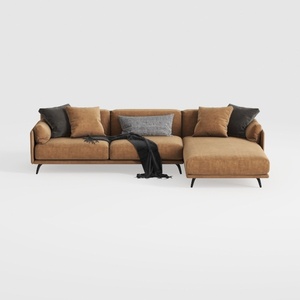

Coaster Home Furnishings - Camacho - Upholstered C
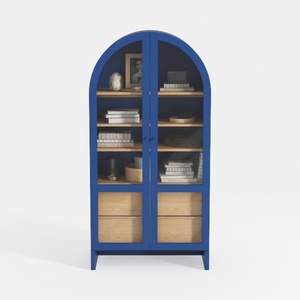
Arched Kitchen Pantry Cabinet with Glass Doors

Fluted Storage Cabinet, 31.5“ Wooden Sideboards
Discover the world of home design with Homestyler! This user-friendly online platform offers powerful design tools and stunning 3D renderings. Explore a wide array of design projects and learn through helpful DIY video tutorials, making it easy to transform your space into a dream home effortlessly.
Diseño ahora GRATIS
































