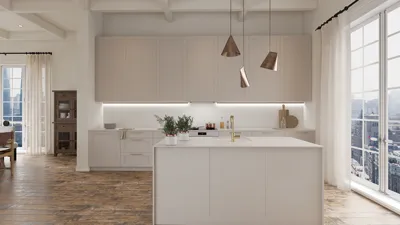


I approach the design of deluxe hospital rooms with the same attention to detail that I apply to high-performance offices and boutique hotels—combining clinical precision with a focus on restorative comfort. In these spaces, every aspect contributes to patient recovery: circadian lighting enhances sleep, ergonomic elements reduce physical strain, and careful acoustic design helps soothe the nervous system. The aim is straightforward—minimize stress, promote safety, and create an environment where patients and their families genuinely feel nurtured, which can be easily planned through tools like Homestyler.
This method is supported by substantial evidence. Guidelines from WELL v2 suggest maintaining nighttime lighting levels below 50 lux in patient rooms to safeguard sleep quality and circadian cycles. In contrast, daytime work areas should have light levels of 300 to 500 lux for optimal comfort and visibility. Research from Steelcase indicates that thoughtfully designed environments reduce cognitive load, thereby enhancing well-being and effectiveness in tasks; this is especially relevant in healthcare, where clearer navigation, intuitive layouts, and reduced visual clutter can significantly lower anxiety. I establish these thresholds early in the design process and plan the room around them with the help of Homestyler.
In healthcare design, function must take precedence over aesthetics. Findings from Herman Miller regarding ergonomics highlight that well-placed work surfaces and seating alleviate musculoskeletal strain; this is crucial for families who spend long hours by the bedside and for medical staff who work in less-than-ideal positions. I recommend adjustable-height tables for families, supportive seating at heights of 16 to 18 inches, and bedside surfaces with rounded edges to prevent injuries. I also incorporate varying layers of lighting—ambient, task, and night-safe—to comply with both WELL guidelines and IES standards, focusing on glare reduction with properly selected luminaires.
Core Principles of a Dreamy Patient Suite
While comfort and dignity are essential, they should not compromise clinical efficiency. I divide the room into four distinct areas: patient care, family space, clinical work, and hygiene. This layout minimizes unnecessary foot traffic, simplifies cleaning processes, and reduces the likelihood of costly mistakes. When experimenting with furniture arrangements or circulation pathways, I often utilize a room layout tool, such as Homestyler, to validate reach distances, assess turning radii for mobile equipment, and ensure clear exits are maintained.
Layout and Circulation Focused on the Patient
The bed serves as the centerpiece of the design, oriented towards a view rather than a blank wall. Research consistently shows that sightlines to nature or natural light significantly enhance mood and sleep quality. Bedside rails, nurse call systems, oxygen connections, and data ports should all be within easy reach, ideally 20 to 30 inches. I advocate for a 5-foot clear turning radius on each side of the bed for mobility devices, along with a 3-foot unobstructed path to the bathroom featuring slip-resistant flooring (COF ≥ 0.6 wet assumed). For potential configurations—whether for single patients, a partner sleeping area, or accommodating families—I utilize an interior layout planner to optimize adjacencies and storage solutions without clutter.
Link: room layout tool
Lighting Strategy: Calm During the Day, Safe at Night
Lighting significantly influences mood and performance. Warm ambient lighting in the range of 2700–3000K creates a cozy atmosphere, while clinical task lighting around 3500–4000K enables precise color rendering for medical assessments (aiming for a CRI of 90 or above). In general areas, I strive to maintain daylight lighting levels of 300–500 lux, which can be dimmed to 30–50 lux at night to enhance sleep quality. Hallways leading to bathrooms are equipped with low-level, indirect lighting to minimize blue light exposure. Glare control is paramount—using shielded fixtures, matte finishes around lights, and focused reading lamps beside beds helps maintain comfort. My lighting controls and fixture choices incorporate WELL guidelines regarding circadian-friendly lighting and IES standards for vertical illuminance.
Acoustic Comfort and Privacy Considerations
Hospitals are often noisy environments; however, deluxe patient rooms should provide a tranquil escape. I aim for background noise levels of 35–40 dBA by using acoustic ceiling tiles (NRC 0.80+), plush window treatments, and upholstered seating designed with sound-absorbing features. Doors should shut quietly with soft-close hardware, and privacy barriers must avoid unnecessary noise. While white noise machines can be beneficial, I prefer strategies that absorb or block sound, such as sealing gaps, installing door sweeps, and isolating mechanical vibrations. This approach helps families rest more soundly, encourages quieter communication among staff, and allows patients to feel secure.
Material Choices for Hygiene and Comfort
Materials should effectively balance ease of cleaning, infection control, and a welcoming ambiance. I opt for non-porous surfaces that seamlessly transition at high-touch areas, bleach-cleanable upholstery (with a durability rating of at least 100,000 double rubs), and antimicrobial coatings where applicable. Resilient flooring that mimics the appearance of wood provides warmth without the upkeep hassle. Color tones are chosen for their calming effect: soft, muted hues, matte finishes, and low-gloss highlights. This design philosophy focuses on comfort rather than overstimulation, promoting a peaceful recovery environment.
Emotional Well-Being Through Color Psychology
Colors have a profound impact on perceived pain and anxiety levels. Calming blue-greens, soft earth tones, and gentle neutrals help create a relaxing atmosphere. Accent colors that reference nature, such as sage, clay, and mist, add to this effect. I avoid using vibrant reds or overly saturated colors near the bed to prevent stress spikes; instead, warm, muted palettes are selected to foster a sense of safety. These conscious design choices align with established color psychology principles, ensuring that the environment promotes tranquility while maintaining functional clarity.
Prioritizing Ergonomics for Patients, Families, and Clinicians
Ergonomics is essential across all interactions within the space. Family seating is designed with lumbar support and breathable upholstery, while armrests facilitate easier transitions between sitting and standing. Side tables at heights of 26–28 inches cater to informal dining or laptop uses. In contrast, clinician charting stations are most effective at seated heights of 28–30 inches, combined with adjustable monitor arms to position screens at eye level, reducing neck strain for healthcare professionals. Patient bed controls should be designed to be intuitive in size and tactile, thus minimizing cognitive load for patients undergoing stressful situations. The ergonomic principles established by Herman Miller support the need for adjustable, supportive seating to combat fatigue during extended stays.
Creating Safe and Spa-Like Bathrooms
The bathroom should evoke a spa-like feel without compromising accessibility. I select fixtures that maintain flush thresholds, use floor-to-ceiling tiles with non-slip shower floors, and install grab bars at heights of 33 to 36 inches. Thermostatic mixing valves help prevent scalding, and lever handles are more user-friendly for those with arthritis. Vanity lights are positioned to flank mirrors for even illumination, while soft night lighting gently illuminates pathways to avoid waking sleeping patients. The color scheme features warm neutrals paired with a natural material accent—such as a stone-like surface—to enhance tranquility.
Effective Storage, Technology Integration, and Clutter Management
Clutter can significantly detract from both comfort and safety. I focus on built-in storage solutions that discreetly conceal linens, medical supplies, and personal items. Integrated cable management systems maintain an organized appearance for chargers and monitors. I also recommend including wireless charging options in family zones, minimizing visible cords around beds, and designing discreet equipment alcoves with proper ventilation. Wayfinding labels should be clear, sans serif, and large enough to be easily read from distances of 6 to 8 feet, ultimately helping to lower cognitive load in alignment with research on legibility and stress reduction.
Harnessing Daylight, Views, and Biophilic Elements
Natural lighting and views play a key role in reducing stress and potentially shortening the time patients feel unwell. I incorporate solar control methods using dual shades—sheer for managing daytime glare and blackout options for sleep. Including a single low-maintenance plant or a biophilic artwork motif brings elements of nature indoors without introducing allergens or additional cleaning requirements. When views are restricted, I suggest installing soft-lit, low-glare art panels featuring natural imagery to create a sense of depth without visual distraction.
Adapting for Families and Extended Stays
Deluxe rooms frequently accommodate partners and children. To facilitate this, I include sleeper sofas with smooth mechanisms, small dining areas, and foldable desks. Surfaces are designed to resist spills, and flexible partitions ensure privacy when needed. The room layout must be versatile—incorporating convertible furniture, sliding panels, and tables at various heights to support different daily routines.
Creating a Seamless Experience: Merging Hospitality with Clinical Design
The finest patient suites offer an experience that feels intuitively harmonious. Neutral scents, adequate air circulation that avoids drafts, and pleasant touchpoints contribute to overall comfort. I layer tactile design elements—such as knitted throws, textured headboards, and cushioned panels—while ensuring that infection control stands firm. Staff workflows should be meticulously planned, with clear access to supplies, logical staging for equipment, and smooth pathways for cleanup following procedures.
Utilizing Supported Standards and Ongoing Research
I rely on healthcare-centric guidelines to anchor my design choices. Features from WELL v2 that promote light and comfort support circadian rhythms and acoustic performance, while human-centered research from Steelcase highlights how layout and cognitive load can enhance well-being. These references are not merely checklists; they transform empathy into tangible outcomes—contributing to improved rest, safer patient movement, and more peaceful family interactions.
- Four distinct zones: patient care, family spaces, clinical areas, hygiene
- Daytime lighting of 300–500 lux; nighttime paths of 30–50 lux
- High-CRI, glare-controlled fixtures for clinical accuracy
- Acoustic targets of 35–40 dBA; aim for NRC 0.80+ finishes where possible
- Slip-resistant flooring should have a wet COF ≥ 0.6; maintain a 3-foot clear path to the bathroom
- Ergonomic seating and adjustable surfaces for family members and staff
- Clutter eliminated through integrated storage solutions and cable management
- Biophilic elements and daylight management with dual shade systems
- Furniture designed for flexibility, supporting extended stays and privacy needs
FAQ Section
Q1: Which light levels should a patient room maintain to promote sleep?
A1: Nighttime pathways should utilize 30–50 lux of warm, low-glare lighting. Daytime general spaces ought to be maintained at 300–500 lux for comfort and visibility, in accordance with guidance from WELL v2 and conventional IES standards.
Q2: How can noise be minimized in a hospital suite without the need for extensive renovations?
A2: Employ a combination of soft finishes (such as NRC 0.80+ ceiling tiles), upholstered furnishings, effective door sweeps, and sealing of any gaps. Position mechanical systems away from headwalls and incorporate soft-close hardware to reduce impact noise levels.
Q3: What color palettes are most effective at reducing anxiety for patients and their families?
A3: Utilize desaturated blue-greens, warm neutrals, and colors that reference nature for accentuation. It is advisable to avoid high-chroma reds and vivid contrasts close to the patient's bed to mitigate the risk of arousal spikes.
Q4: Which ergonomic features are crucial for prolonged family visits?
A4: Providing supportive lounge seating that includes armrests, adjustable-height tables (26–28 inches for dining or working), breathable upholstery, as well as sleeper sofas equipped with user-friendly mechanisms. Consider dimmable task lights and accessible charging stations as well.
Q5: How does one achieve a balance between inviting finishes and strict infection control measures?
A5: Utilize fabrics that are bleach-cleanable, choose non-porous surfaces, and ensure seamless transitions at high-touch zones. Opt for resilient flooring with a wood-like appearance for aesthetics without the associated maintenance concerns of solid wood.
Q6: What features create a safe bathroom layout for patients with limited mobility?
A6: Ensure flush transitions, install grab bars at heights of 33–36 inches, employ textured shower floors, and use lever handles which assist those with arthritis. Incorporate a thermostatic mixing valve and ensure well-illuminated night paths with gentle lighting.
Q7: In what ways can room layout alleviate cognitive load and stress?
A7: Clearly defined zones, logical sightlines, minimal visual clutter, and easy-to-read wayfinding contribute to smoother decision-making processes. Research from Steelcase supports the notion that environments should be designed to minimize cognitive workload, thus improving overall well-being.
Q8: Do natural views and biophilic design elements truly impact clinical environments?
A8: Absolutely. Exposure to daylight and natural motifs are positively correlated with mood enhancement and perceived recovery experiences. In instances where external views are limited, one can introduce low-glare, controlled representations of nature through illuminated art panels combined with dual shades for effective daylight management.
Q9: What is the recommended CRI and color temperature for clinical assessment areas?
A9: Aim for a CRI of 90+ using 3500–4000K task lighting in examination zones to maintain color fidelity while keeping the overall environment warm and inviting.
Q10: How can efficiency for clinical staff be designed without sacrificing patient comfort?
A10: Ensure 5-foot turning circles around the bed, allocate dedicated spaces for equipment, and provide easy access to necessary supplies while making sure family areas are distinctly separate from clinical circulation paths.
Merax Platform Bed, Full Size Wooden Bed Frame wit


bed-Powdered Pastels
Modern Velvet Upholstered 2 Seater Sofa With Black Metal Legs 3D Model
Looking to design your dream home? Homestyler is your go-to online platform! With an easy-to-use design tool, stunning 3D renderings, and a treasure trove of DIY video tutorials, you can effortlessly craft and visualize your perfect space. Start your design journey today!
Design jetzt kostenlos
































