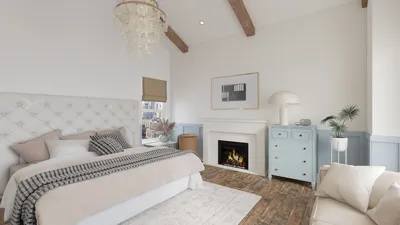


In Czech wellness studios, compact massage rooms can achieve a blend of luxury and functionality through a well-thought-out arrangement of spatial rhythm, acoustics, and lighting. My design approach focuses on maximizing small spaces by harmonizing human factors, tactile materials, and circulation routes—ensuring that each square meter serves a purpose without overwhelming either the client or the therapist. Research from Steelcase highlights that enhancing workplace performance is possible through environments that minimize cognitive load via visual and acoustic clarity, a concept that parallels the design of therapeutic settings aiming to foster relaxation and provide consistent service (Steelcase Research, 2023).
The foundation of effective massage rooms lies in appropriate lighting and ergonomics. Following IES lighting recommendations, the typical range for ambient light in treatment areas should be between 100 and 300 lux, with strategically placed task lighting to prevent glaring reflections on the body. To reduce stress while ensuring comfort and accessibility, the WELL v2 standards advocate for lighting that supports circadian rhythms, coupled with acoustic control. These guidelines ensure that even a modest 6-9 m² massage room delivers a professional-grade experience without unnecessary fixtures or storage complications. For detailed information, consult the WELL v2 insights on Light and Sound categories (v2.wellcertified.com).
Utilizing color psychology can effectively influence mood. According to findings from Verywell Mind, soft greens and muted blues can induce feelings of calmness and stability, while warm neutral tones create a nurturing atmosphere without being visually overwhelming. I maintain a low to medium saturation level and reflectance within the 50 to 70 percent range to minimize glare, ensuring a soothing visual environment. Complementing this with warm-white lighting at 2700–3000K enhances warmth while keeping skin tones accurate—a critical detail for effective bodywork.
Spatial Ratios: Flow, Reach, and Comfort
Effective massage room design hinges on established spatial ratios. I target a minimum clearance of 800-900 mm around the massage table on two sides, paired with a 1000-1100 mm corridor for the therapist at the table's head or along one long side to facilitate pivoting and tool access. A storage depth of 300-400 mm accommodates linens, oils, and small devices without interrupting flow. Ensure that door swings are unobstructed and hinge stops are precise to prevent collisions with tables or cabinets. Employing a room layout tool like Homestyler can help visualize turning circles and clearances before making final constructions.
Light Environment: Layered, Low-Glare, and Adjustable
My lighting approach comprises three layers. First, ambient lighting is provided by diffused ceiling or cove lights at approximately 150-250 lux for a gentle base. Task lighting, set at about 300-500 lux, is adjustable and focused on the table perimeter—making sure to aim off-axis to reduce direct glare. Finally, accent lighting utilizes warm, low-lumen sources, such as wall washers or concealed LEDs, to establish depth and a spa-like warmth. I prioritize high CRI (90+) fixtures to accurately render skin tones. Dim-to-warm fixtures, such as those that transition from 3000K to 2200K, support a smooth shift from the intake to the treatment to the re-entry process without abrupt brightness changes, while utilizing matte finishes, opal diffusers, and shielding angles above 30° from the client's line of sight to control glare.
Acoustics: Quiet the Edges
Small rooms tend to amplify noise. My acoustic strategy incorporates a composite absorption method: treating 25-35% of the wall surfaces with broadband acoustic panels or fabric-wrapped insulation; incorporating a plush rug or cork underlayment to soften footfall; and installing a solid-core door with perimeter seals to minimize unwanted sounds. By maintaining mechanical noise levels below NC-30, tranquility remains the baseline. In thin-walled settings, consider a white-noise generator discreetly integrated into millwork, tuned below conversational frequencies to mask any background noises without disrupting calming breathing patterns.
Material Selection: Warm, Durable, Hygienic
Material selection in Czech studios usually combines wood veneers with mineral textures. For millwork, I recommend using FSC-certified engineered wood, while high-touch areas should feature antimicrobial, easy-to-clean surfaces and breathable fabrics compliant with fire-safety regulations. Matte finishes diminish specular glare, and textured weaves create tactile comfort. Sustainability is key: select low-VOC finishes and water-based sealants to avoid olfactory overload. Ensure the sensory experience remains consistent for clients—materials should be free from stickiness, squeaks, or harsh chemical odors during transitions.
Color Psychology: Soft Greens, Quiet Taupes, Calm Blues
In limited spaces, overly saturated colors can create a sense of confinement. A soft, desaturated green-gray backdrop can stabilize moods while harmonizing beautifully with warm wood tones and subtle charcoal accents. Utilize deeper hues sparingly—perhaps behind shelving or as baseboards—to ground the space without creating a claustrophobic effect. Rhythm in the room can also be achieved by consistently incorporating a single accent color throughout textiles, art, and accessories rather than introducing an array of competing hues.
Ergonomic Workflow: Therapist Paths and Client Ease
Plan the movement flow from the door to chair, table, and sink without diagonal detours. The therapist's primary path should keep elbows free from walls and corners. Position the table lengthwise with a pivot point at the head, ensuring that oil warmers and towels are within 500-700 mm reach. A soft-close waste bin and a hands-free dispenser near the sink minimize interruptions. For layout validation, using an interior layout planner—like those supported by Homestyler—allows adjustments to accommodate the therapist’s workflow effectively.
Storage: Thin, Smart, and Hidden
Thin cabinets (300-350 mm depth) with vertical dividers are superior to deep boxes in small rooms. Implement full-height pull-out features for linens, a shallow drawer for tools, and a smooth compartment for stones or devices. Integrate charging stations into millwork to minimize cable clutter. Limit open shelving to just two narrow ledges equipped with concealed LEDs for subtle accent lighting and ease of access, ensuring visual noise remains low.
Ventilation and Thermal Comfort
Clients feel more relaxed when the air is both fresh and still. Aim to maintain a gentle airflow that doesn’t directly disturb the table area. The ideal room temperature should hover between 21-23°C; pre-warming the table can offset initial contact discomfort. Ensure that vents do not direct airflow toward clients’ feet or shoulders; rather, diffuse supply at high ceilings or walls with a gentle airflow path. Aromatherapy should be subtle—dispursing scents away from the face and avoiding combinations of multiple fragrances.
Behavioral Patterns: Arrival, Transition, Departure
Crafting the client experience as a serene sequence is essential. Arrival: Provide a small bench or chair with a discreet hook for personal belongings. Transition: Implement a dimming cue and soft audio fade-in to signal the session's start; the therapist's path should remain quiet and predictable. Departure: Gradually increase ambient light and offer a mirror with low-intensity task lighting by the bench to help clients reorient themselves without glare. Small spaces thrive on such repetitive, comforting rituals.
Visual Balance and Spatial Rhythm
Achieving visual balance requires a careful arrangement of elements. One impactful feature wall—crafted from textured plaster or vertical wood slats—can be a focal point, while the opposing walls should maintain a quieter visual presence, ensuring aligned sightlines from the door to the head of the table. Use symmetry cautiously; gentle asymmetry often feels more natural in confined spaces. Over-decoration should be avoided; typically, a single well-framed print, one softly-shaped plant, and thoughtfully placed textiles will be sufficient.
Lighting Controls and Scenes
Program your lighting system for three distinct scenes: Intake (250-300 lux overall, with a neutral warm tone), Treatment (150-200 lux ambient with task lights only at the perimeter), and Re-entry (200-250 lux ambient with accent lights off). Ensure that dimmers operate silently and free from flicker. Position wall-mounted controls at a height of 1000-1200 mm for easy access upon entry and near the therapist's path. Keep the controls intuitive—limit to two or three clearly labeled buttons.
Budget-Smart Moves
Invest in quality furnishings, such as the treatment table, task lighting, acoustic seals, and efficient storage hardware. Savings can be made on decorative elements—opt for fewer, high-quality materials while avoiding delicate finishes. Utilize multifunctional millwork for hidden hampers, charging stations, and streamlined pull-out options. When considering ceiling improvements, a clean perimeter cove is often more effective than a complex drop in tight spaces.
Local Nuance for Czech Studios
Many Czech wellness spaces are situated within older, masonry buildings featuring lofty windows. To accentuate height, use slender vertical lighting and establish elevated storage areas while sealing doors and reinforcing sills for sound insulation. If heritage details are visible, highlight them with understated finishes rather than dominant patterns. Always prioritize reversible alterations when operating within protected structures.
Checklist: Small Space Essentials
- Ensure 800-900 mm clearance on two sides of the table, with a 1000-1100 mm corridor for the therapist.
- Ambient lighting should be 150-250 lux, with task lighting at 300-500 lux, and color temperature around 2700-3000K.
- Aim for 25-35% wall surface absorption, utilizing solid-core doors with proper seals.
- Maintain a storage depth of 300-400 mm; ensure soft-close mechanisms and integrated power outlets.
- Use low-VOC finishes, select matte surfaces, and incorporate high CRI lighting.
- Program for three distinct lighting scenes; ensure dimmers are silent and controls are straightforward.
- Regulate thermal comfort to 21-23°C with gentle airflow that avoids direct paths over the client.
FAQ
Q1: What is the ideal size for a small massage room?
A: I recommend a size of 6-9 m² with appropriate clearances of at least 800-900 mm on both table sides and a 1000-1100 mm corridor for the therapist. Rooms smaller than 6 m² may hinder movement and storage.
Q2: How bright should the lighting be during treatments?
A: The goal is ambient lighting around 150-200 lux with surrounding task lights reaching 300-500 lux, utilizing a warm-white range of 2700-3000K to ensure low glare; these levels are in line with IES recommendations for comfort-driven tasks.
Q3: Which colors best support relaxation in tight rooms?
A: I suggest soft greens, desaturated blues, and warm neutrals, maintaining a medium reflectance level between 50-70% to reduce glare while promoting a calming environment. Insights from color psychology indicate that these shades can lower arousal without dulling the atmosphere.
Q4: How do I control noise in a compact studio?
A: Utilize solid-core doors with effective seals, treat 25-35% of wall surfaces for absorption, use rugs or cork underlayment, and ensure low-NC mechanical systems. For challenging acoustics, consider a subtle white noise mask positioned below conversation frequencies.
Q5: What storage depth works best?
A: A depth of 300-350 mm for cabinets is ideal to maintain clear circulation. Employ vertical pull-outs for linens and shallow drawers for tools to avoid deep, clutter-prone cabinets.
Q6: Any tips for therapist ergonomics?
A: Position the table lengthwise with a pivot point at the head; ensure that tools are within 500-700 mm reach. Maintain clear corridors for elbow space, and implement hands-free dispensers and soft-close bins to reduce potential interruptions.
Q7: How should I set thermal comfort?
A: Aim to keep the room temperature between 21-23°C with gentle airflow that does not breeze over the table. Pre-warm the treatment table and ensure vents do not direct air towards the client's shoulders or feet.
Q8: What lighting controls are worth the investment?
A: Invest in flicker-free, dim-to-warm fixtures with silent dimmers to create three scenes—Intake, Treatment, and Re-entry—that facilitate a seamless sensory experience. Mount controls at a height of 1000-1200 mm for convenient access.
Q9: How do I avoid visual clutter in a small space?
A: Limit open shelving, integrate cables and charging out of view, and opt for a singular accent color. Choose matte finishes and curate art and plants thoughtfully, rather than overcrowding the space.
Q10: Can I integrate heritage elements in older Czech buildings?
A: Definitely—it's essential to preserve heritage trims and sills, use reversible solutions, and complement timeless architecture with subtle textures and warm lighting to enhance the space without overshadowing it.
Discover your creative potential with Homestyler! This intuitive online home design platform offers a user-friendly design tool, stunning 3D renderings, and a wealth of DIY video tutorials. Perfect for anyone looking to transform their space, Homestyler makes designing your dream home effortless and inspiring!
Progetta ora GRATIS
































