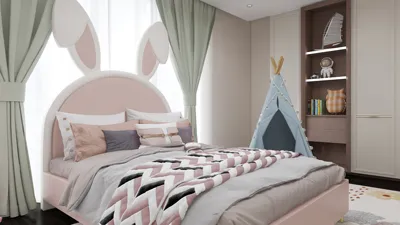


In a past project, I had a client who demanded that their bed be positioned in the center of a short wall in a rather lengthy bedroom – they envisioned a runway aesthetic. I attempted this arrangement but it didn’t work out as anticipated. However, I discovered an essential insight: a long bedroom serves as a canvas for creative layered zones and efficient storage solutions. For those looking to experiment with layouts before making a decision, using an interactive layout mockup, like those found on platforms such as Homestyler, has saved me multiple late-night design revisions.
1. Utilize storage along the longest wall
I adore continuous built-in features — wardrobes, low cabinets, and shelves provide a visual anchor to prevent the space from feeling tunnel-like. The benefits are significant in terms of storage and a tidy appearance, but one must consider access and ventilation when storing clothing long-term. I once installed a long, low dresser with recessed handles that cleared the pathway, instantly bringing tranquility to the space.
save pin
2. Define distinct areas within the room
Incorporate rugs, grouped lighting, and a narrow console to create clear divisions for sleeping, dressing, and lounging. This zoning approach lends purpose to the space instead of making it feel excessively elongated; however, it’s crucial to avoid overcrowding with furniture. I prefer rugs that tuck beneath the bed and extend into a cozy seating area, contributing a thoughtful touch.
save pin
3. Opt for a low bed and highlight verticality
Choosing a low-profile bed reduces the visual height in the room while keeping sightlines open along its length, and adding vertical elements such as tall lamps, drapes, or narrow artwork helps maintain balance. For visualizing layouts, I occasionally create photorealistic 3D designs to assess sightlines and furniture proportions prior to purchase. Although low beds can seem less formal, incorporating layered bedding and a tall headboard can quickly remedy that impression.
save pin
4. Incorporate mirrors and a gallery wall for added depth
Strategically placing mirrors opposite windows or at the end of the room enhances light and gives the illusion of a shorter space; additionally, a horizontal gallery wall can break up long sightlines. While mirrors can reflect untidiness if not carefully considered, I suggest opting for a sizable mirror or a curated collection rather than a haphazard selection. For clients interested in bold design concepts, using an AI-assisted design tool like Homestyler has allowed us to rapidly explore different color schemes and layouts.
save pin
5. Select versatile furniture and ensure clear circulation
Lightweight benches, ottomans, and foldable tables enable you to adapt the flow of the room for different seasons or gatherings, which proves advantageous in a long space serving multiple purposes. Practically, aim for a clear walkway of 75–90 cm for comfortable movement while ensuring natural light remains unobstructed. I often recommend multipurpose items; a long bench with concealed storage consistently outperforms a bulky armchair in functionality.
save pin
FAQ
Q1: How can I make a long bedroom feel cozier?
I typically suggest incorporating layered lighting, rugs to delineate zones, and a focal point like a headboard or a gallery wall. These features help compress visual length and add warmth to the space.
Q2: What is the best bed placement for a long bedroom?
Centering the bed on the short wall often creates a balanced look, yet positioning it along one of the longer walls can facilitate comfortable movement and create space for a seating area. Experimenting with both options using a scaled plan can be beneficial.
Q3: Are mirrors advisable in a long bedroom?
Absolutely — mirrors can enhance light and depth, especially when placed at the room's end or across from windows. Just be cautious to avoid locations that will reflect clutter or sleeping figures if that’s a concern.
Q4: How much clear walkway should I maintain?
It’s recommended to keep at least 75–90 cm (30–36 inches) unobstructed for easy movement, particularly around doorways and between furniture pieces.
Q5: Can I utilize the extra length as a workspace?
Definitely — a slim desk or a floating shelf can transform part of the bedroom into a functional work area without overwhelming the overall design. Opt for visually light options with slender legs or wall-mounted storage solutions.
Q6: Which color schemes are suitable for long rooms?
Soft, warm neutrals can visually shorten the space, while darker accent walls at the far end can offer a cozy end point. Balancing color with varied textures helps avoid a monotonous look.
Q7: How do built-ins influence resale value?
Well-planned built-ins usually enhance value since they provide customized storage and a high-quality finish; however, maintaining a neutral style and flexibility is crucial for attracting potential buyers.
Q8: Any expert advice on bedroom design and enhancing the sleep environment?
Focus on essential sleep hygiene practices, such as minimizing light and noise. Organizations like the National Sleep Foundation offer research-backed recommendations on how the bedroom environment impacts sleep quality (source: https://www.sleepfoundation.org).
save pin
Discover your home's potential with Homestyler, the ultimate online design platform! Utilize the intuitive design tool, explore stunning 3D renderings, and dive into a wealth of design projects and DIY video tutorials. Transform your space effortlessly, whether you're a novice or a seasoned pro!
Design Now for FREE
































