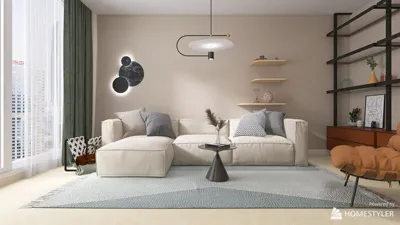


Living rooms styled in Kerala embrace a unique blend of vernacular architecture, coastal influences, and peaceful rituals, creating spaces that are both inviting and grounded. In my designs, I focus on airy layouts, natural tactile materials, and the gentle modulation of daylight, all tailored to the tropical ambiance while honoring artisanal craftsmanship—think intricately carved teak, woven cane, and exquisite handloom fabrics. Comfort is paramount, achieved through human-centered proportions, ergonomic seating, and an acoustic quality that encourages conversation.
Thoughtful design decisions are crucial. The WELL v2 standards emphasize glare management and daylight access as essential factors for visual comfort, resonating with Kerala’s architectural ethos, which traditionally incorporates deep overhangs, open verandas, and screens that soften light. Research by Steelcase links ergonomic support and diversity in sitting postures to prolonged comfort, particularly beneficial in living areas where social gatherings can extend for hours. These principles align perfectly with Kerala’s design palette: filtrated sunlight, cross-breezes, and multi-height seating arrangements that support upright, relaxed, and lounge postures. For further insights on indoor environmental quality and comfort, WELL v2 provides a framework for informed design choices.
Core Palette and Materials
Interiors in Kerala often showcase warm woods like teak and jackwood, paired with breathable fabrics like cotton and cane, accentuated by lime-plastered walls that maintain cool interior climates. I prefer matte textures to minimize glare—IES recommendations on luminance support this by promoting low-reflectance surfaces in sun-drenched environments. Brass features, such as lamps, urli bowls, and traditional artifacts, introduce a subtle glow without overwhelming the space visually. Selecting sustainably sourced woods and low-VOC finishes is crucial for maintaining air quality. Handmade tiles or traditional Athangudi patterns create an anchored flooring, complemented by coir and jute rugs that enhance tactile warmth.
Spatial Design and Flow
Kerala living rooms generally offer guests a clear axial perspective from the entrance to the seating area, often framed by elegant pillars or arches. I design a primary social grouping—using sofas and charpais around a central coffee table—while creating secondary seating arrangements near windows or bookshelves. Ensuring circulation paths remain at least 900 mm wide prevents congestion, and sightlines are directed towards greenery in courtyards or designated prayer areas. For those planning furniture layouts, utilizing a room layout tool can aid in visualizing different arrangements.
Lighting: Natural Light, Color Temperature, and Ritual Atmosphere
Natural lighting plays a central role; Kerala homes frequently incorporate deep eaves and latticework screens to diffuse sunlight effectively. In the evenings, I recommend combining warm ambient lighting at 2700–3000K with accent lights at 3000–3500K to highlight architectural details and artwork. This approach not only preserves the richness of color in wood and textiles but also avoids flat, uninviting visuals. Incorporate task lighting in reading areas, ensuring gentle luminance ratios to minimize eye strain. You can also seamlessly integrate oil lamps or brass diyas within trays and wall niches, creating moments of ritualistic tranquility without excessive glare.
Color Psychology Inspired by Coastal Serenity
My design palettes typically harmonize coconut wood tones with coastal greens and soft whites. Research on color psychology from Verywell Mind suggests that warm neutrals are comforting and greens are revitalizing; combined, they evoke the serenity of Kerala’s backwaters and palm-fringed shores. Earthy reds in textiles or decor add grounding vibrancy, while indigo or teal accents pay homage to traditional crafts. To prevent visual heaviness, I recommend anchoring darker colors at lower levels (such as floors and cabinetry) and maintaining lighter walls, enhancing the perception of space and airflow.
Furniture: Craftsmanship, Ergonomics, and Durability
Select furniture with ample seat depth (450–500 mm) and backrest angles of 100–110 degrees to ensure lounging comfort. Cane-backed chairs are particularly suited for humid conditions, helping to sustain thermal comfort. Charpais or daybeds allow for versatile lounging options, while a robust teak coffee table serves as a solid foundation for the arrangement. Opt for cotton or linen upholstery to reduce heat retention; removable slipcovers are also practical for managing wear during monsoon seasons. Research from Steelcase emphasizes the importance of incorporating varying seating heights with dining chairs and low lounge seating to facilitate seamless transitions during social gatherings.
Textiles and Patterns: Handloom Elegance
Kerala’s rich handloom heritage—featuring kasavu borders, block prints, and ikat techniques—introduces an understated elegance to interiors. I typically limit pattern diversity to two or three scales (large, small, and solid) to preserve rhythm and cohesion. Sheer cotton curtains filter light while maintaining privacy; layered drapery with blackout linings is reserved for media settings. Cushions featuring traditional motifs or geometric patterns enhance the overall aesthetic; it is advisable to keep a coherent color palette and avoid shiny synthetic materials that may enhance glare and heat.
Sound Comfort in Open Layouts
In spaces with tiled flooring and lofty ceilings, echoes can become an issue. I recommend smoothing acoustics with various fabric layers—rugs, curtains, and upholstered seating—and incorporating wood surfaces with fine textures. Utilizing bookshelves or carved screens can also aid in diffusing sound without compromising the sense of openness within the room. It’s crucial to strike a balance: enough sound absorption to prevent harsh echo but not so much that conversations lose their cheerful dynamics.
Incorporating Courtyards, Verandas, and Natural Elements
Many Kerala homes feature a central nadumuttam (courtyard). If space permits, consider creating a micro-courtyard or an indoor planting area adjacent to the living room. Potted flora such as areca palms, rubber plants, or money plants enhance the humidity and overall atmosphere. A traditional brass urli filled with floating flowers is enchanting; position it near the entrance or in designated nooks to maintain smooth circulation. Connecting with nature is essential—it alleviates stress and strengthens cultural traditions that celebrate hospitality.
Storage and Display: Telling Stories, Not Cluttering
Open shelving can showcase brass artifacts, Kathakali masks, or handwoven baskets, while closed storage helps conceal board games and media devices. I design display arrangements in odd-number groupings (like 3, 5, or 7) for aesthetic balance, ensuring there is negative space around treasured items. Media units should be low and spacious, featuring concealed cable management and ventilation for electronics. Avoid placing tall cabinets in front of primary windows to preserve the gentle daylight that characterizes Kerala-style interiors.
Choosing Sustainable and Climate-Responsive Options
Select local materials such as teak, cane, and coir, along with artisan-crafted products to minimize transport impacts and bolster local craftsmanship. Implement cross-ventilation strategies, ceiling fans, and breathable textiles to limit reliance on mechanical cooling solutions. Lime plaster's natural humidity regulation is beneficial, while clay paints provide a matte finish. Using water-resistant finishes for wood combats the effects of monsoon seasons, and raised furniture legs promote airflow and facilitate easier cleaning.
Decorative Elements: Emphasizing Brass, Wood, and Ritual Balance
Position an elegant brass urli filled with jasmine or marigold blooms at the entrance. Use carved wooden brackets or pillars to highlight seating areas. Incorporate temple bells, oil lamps, and woven baskets to diversify textures; maintain a singular metallic finish (either brass or antique gold) to prevent visual clutter. A prominent artwork—whether a Kathakali piece, Theyyam art, or beautiful landscape photography—can anchor the room. Subtle scent layering with sandalwood or lemongrass enhances the ambiance.
In smaller apartments, consider floating the sofa away from walls, creating an open core, and pairing it with cane chairs angled towards the coffee table. Ensure there is 450–600 mm of knee clearance around tables for ease of movement. In larger spaces, orient seating to face courtyard or veranda doors to maintain cross-ventilation. You might include a modest puja corner with sliding screens that offer both privacy and accessibility.
Install dimmers on ambient lighting to facilitate smooth transitions from daylight to evening illumination. Avoid bare bulbs and high-gloss shades that can be harsh. Task lamps near reading nooks should feature opaque shades or adjustable heads to allow for directed lighting. Keeping matte finishes on walls can guard against challenging reflections on screens.
Whites and soft cream on your walls coupled with teak furniture and brass accents, alongside indigo textiles; consider lime plaster paired with terracotta flooring and cane chairs, or soft cream hues with jackwood media units, coir rugs, and teal drapery. Each combination successfully achieves a balance of warmth and freshness, echoing the coastal rhythm of Kerala.
Tips 1: Revitalizing an Existing Space
Preserve any substantial wooden features and refresh them with oil or wax finishes. Trade heavy drapes for sheer alternatives to restore natural light. Introduce a standout crafted item—a beautifully carved console or armchair—and design your palette around this centerpiece. If the space feels warm, prioritize solutions such as cross-ventilation and fans before relying on air conditioning. Using an interior layout planner can assist in reorganizing seating to align with existing windows.
Tips 2: Affordable Kerala Accents
Begin layering with coir rugs, brass bowls, and handwoven cushions; these elements can quickly elevate the mood of a space. Undertake paint refreshes in warm neutrals to brighten areas. Cost-efficient cane pendant lamps can add substantial ambiance. Refurbish existing wooden items instead of replacing them, and look for vintage brass pieces in local markets to enhance authenticity and charm.
Frequently Asked Questions
Q1: What is the ideal color temperature for lighting in a Kerala-style living room?
A1: It is advisable to use warm ambient light ranging from 2700 to 3000K along with accent lighting at 3000 to 3500K to enhance crafted elements. This approach helps in maintaining the warmth of wood while minimizing glare, aligned with WELL v2 lighting quality standards.
Q2: Which materials perform best in the humid environment of Kerala?
A2: Choose teak and jackwood for furniture, cane for improved airflow, lime plaster for humidity control, and opt for cotton or linen for upholstery. Ensure low-VOC finishes to maintain a healthy indoor atmosphere.
Q3: How can I address acoustics in a tiled, high-ceiling living space?
A3: Improve sound absorption with coir or jute rugs, layered curtains, and upholstered furnishings while incorporating bookshelves. Carved screens can diffuse sound reflections without compromising an open feel.
Q4: What ergonomic considerations should I keep in mind for prolonged gatherings?
A4: Consider seat depths of 450–500 mm, backrest angles of around 100–110 degrees, and a mix of seating heights. Steelcase research supports the idea of diversity in seating to help reduce fatigue during long events.
Q5: How can I elegantly incorporate traditional brass decor without overwhelming the space?
A5: Stick to a uniform metallic tone, arrange artifacts in odd-number groupings, and ensure to leave negative space around standout pieces. Keep heavier decor lower to retain visual harmony.
Q6: Which colors are most representative of Kerala’s coastal ambiance?
A6: Look to warm whites, the browns of teak, various shades of coastal green, terracotta tones, and accents of indigo or teal. Color psychology indicates that greens promote restoration, while warm neutrals provide comfort, resonating well with Kerala’s tranquil vibe.
Q7: How can I balance daylight exposure with maintaining privacy?
A7: Utilize sheer cotton curtains, latticed screens, and deep eaves or shades. Keep tall storage pieces away from key windows, preserving light quality.
Q8: Any suggestions for layouts in small apartments?
A8: Arrange seating to create an open pathway, angle chairs toward a central table, and ensure 900 mm pathways are clear. Use mirrors minimally to reflect nature rather than sources of glare.
Q9: Can a puja corner be incorporated into a living room?
A9: Certainly—position it on a quieter wall, consider sliding or lattice screens for privacy, and integrate warm lighting. Ensure any flammable decor is kept away from draperies, with proper ventilation.
Q10: How do I design furniture around the principle of cross-ventilation?
A10: Organize seating to allow unobstructed airflow from windows or veranda doors, selecting lower-backed furniture near openings and avoiding blockages of intake/exhaust routes. You may want to use a layout simulation tool to visualize options effectively.
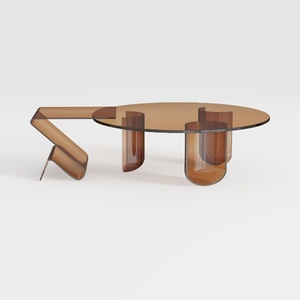
Round Coffee Table Modern Glass Coffee Table with
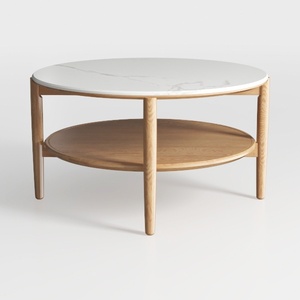
VASAGLE Round Coffee Table, 2 Tier Coffee Table wi

Japanese Floor TableSmall Coffee Table & Tea Table
Discover your interior design potential with Homestyler! This powerful online home design platform offers user-friendly design tools and stunning 3D renderings, allowing you to create and visualize your dream spaces. Plus, access inspiring design projects and helpful DIY video tutorials to guide your journey.
تصميم الآن مجانا
































