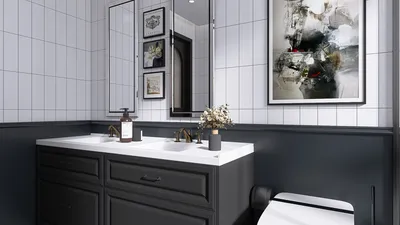


When I design walls for a drawing room, I perceive them as both a blank canvas and an interactive stage—engaging visually, acoustically, and tactilely. Carefully curated paneling establishes mood and flow, harmonizes proportions, and subtly influences the way individuals gather, converse, and relax. Choosing the right profiles, finishes, and layouts enhances comfort while beautifully framing artwork, lighting, and furniture. To visualize and execute these designs effectively, utilizing tools like Homestyler can be immensely beneficial.
When making decisions about paneling, relying on data is crucial. In living and lounge areas, ensuring clarity of speech is essential, with optimal reverberation times ideally between 0.4 and 0.6 seconds; using porous and composite materials can assist in achieving this by enhancing absorption and diffusion, as pointed out by Steelcase research, which indicates a direct correlation between acoustic comfort and overall well-being. Furthermore, lighting plays a pivotal role: adequate ambient lighting in living spaces between 100 and 300 lux, paired with accent lighting, fosters both relaxation and visual appeal according to guidelines from the IES. For colors, warm-neutral palettes help to create a calming environment; according to Verywell Mind's color psychology, warmer shades promote feelings of coziness, while cooler tones such as blues and greens are effective in alleviating stress levels.
Opting for the right materials significantly impacts health and sustainability. The WELL v2 standards emphasize the importance of using low-VOC, formaldehyde-free composite materials alongside adequate ventilation; these criteria are crucial when selecting MDF, laminates, and finishes. If you’re planning panel modules around areas for seating, built-in elements, and pathways, using a room layout tool can assist in validating sightlines, wall coverage, and access to power points prior to fabrication, making Homestyler an ideal choice for visualizing layouts.
Refined Wood Paneling: Infusing Warmth and Visual Interest
Opting for solid oak, walnut, or ash panels introduces depth and tactile appeal; quarter-sawn cuts reduce visual distractions, while rift-sawn boards exhibit linear grains that complement mid-century and contemporary furnishings splendidly. Achieving a vertical proportion that elongates the space is essential—consider slats of 20 to 40 mm width with reveals of 10 to 20 mm to maintain rhythm without overwhelming the visual field. In smaller rooms, selecting lighter wood species like ash or oak, combined with a matte finish, mitigates specular glare effectively. Integrating concealed access panels for audiovisual wiring and incorporating an acoustic backing behind slats helps to soften conversation noise.
Modern Slat Walls: Combining Texture and Acoustic Benefits
Timber slat systems can be effectively paired over felt or perforated cores to enhance sound diffusion while absorbing mid to high frequency noises. Generally, I prefer a slat thickness of 30 to 40 mm with consistent spacing of 12 to 18 mm; this design appears crisp under grazing light. Aligning slat orientation with predominant movement is key: vertical slats project a more formal feel while enhancing ceiling heights, whereas horizontal slats tend to broaden compact spaces. If seating arrangements are close to the wall, softening edges and preventing harsh reflections at head level is crucial for a comfortable experience.
Wainscoting and Picture-Frame Panels: Merging Classic Style with Modern Touch
Utilizing raised or recessed moldings adds an element of elegance to drawing rooms without the heaviness that can come from dense materials. Positioning chair rails at approximately 750 to 900 mm, adjusting as necessary for sofa arm heights, works effectively; aligning panel frames alongside art pieces and switch placements enhances visual cohesiveness. A subtle two-tone scheme—deep base panels coupled with lighter upper sections—grounds the space and balances lofty ceilings. To achieve a contemporary twist, implementing flat square-edge stiles and rails with tightly fitted miters, using low-sheen paint to avoid glare, can be very effective.
Textile and Upholstered Panels: Infusing Softness and Serenity
Incorporating fabric-wrapped modules fosters softness while enhancing speech intelligibility. Selecting wool blends, bouclé, or high-durability performance velvets with elevated Martindale rub counts ensures longevity; stain-resistant finishes also prove invaluable in family environments. The installation of an acoustic core—constructed from mineral wool or PET—behind the fabric reduces echo while softening impacts. Additionally, employing color psychology here is effective: muted blues and moss greens promote a restorative ambiance, whereas terracotta and taupe shades evoke warmth without overwhelming the senses.
Stone, Laminam, and Composite Panels: Striking Coziness with Practicality
Thin slabs of porcelain or engineered stone provide dramatic visuals without excessive weight. Utilizing large-format panels minimizes visible joints; book-matched arrangements for a focal wall behind the primary sofa can effectively anchor the room. Combining cool-toned stone with warm metal trims—such as brass and bronze—strikes a balance both visually and tactilely. Implementing anti-microbial surfaces in high-traffic areas with food and gatherings is wise, while keeping gloss levels moderated avoids harsh visual reflections under accent lighting.
Geometric Relief and 3D Panels: Subtle Drama in Design
Incorporating parametric grooves, linear flutes, or faceted modules adds an element of movement within the space. Maintaining a relief depth of 8 to 20 mm prevents dust accumulation and shadows from becoming overpowering. I enjoy utilizing repeated motifs that reflect patterns found in rugs or ceiling coffers; maintaining consistency across design elements promotes a serene composition. Lastly, employing wall grazers with asymmetrical lighting at around 150 to 200 lux effectively models texture without causing glare.
Painted Paneled Walls: Cohesive Monochrome Depth
Using painted wood or MDF panels in a singular hue creates a cohesive and modern appearance. Opt for low-VOC paints—ensuring better indoor air quality as per WELL v2 guidelines. Deep green, inky blue, or warm putty shades craft a cocooning effect, particularly when matching outlets and trims to the wall color. Selecting semi-matte finishes provides a balance between cleanability and limiting glare. In rooms facing north, warmer undertones can offset cooler daylight effectively.
Integrated Lighting in Panels: Artful Accents and Comfort
Incorporating built-in lighting within the panels elevates the overall experience. Recessed grazing LEDs can accentuate vertical grains or relief patterns, aiming for 2700 to 3000K color temperatures in living spaces for a warm, inviting ambiance while ensuring dimming capabilities are flexible. Sconces mounted on framed panels should align with the seated eye level, typically around 1,200 to 1,400 mm from the floor. Adhering to IES recommendations concerning glare control is important by effectively shielding light sources and utilizing matte finishes around luminaires to mitigate reflections.
Hidden Storage and Media: Seamless Functionality
Utilizing push-latch doors and maintaining continuous grain-matching can efficiently conceal cabinets. Ventilation for AV niches can be achieved using perforated back panels; considering wire channels before installation ensures preparedness. In compact homes, integrating slender display ledges within panel seams supports art rotation. In spacious areas, strategically placing acoustic fabric panels flanking the TV balances sound and maintains visual symmetry.
Color Strategy: Crafting Mood through Hue and Contrast
The colors selected for panels set the emotional tone of a space. According to research by Verywell Mind, shades of blue and green foster calmness and trust, while warm neutrals provide comfort. In brightly lit spaces, moderating high-contrast palettes helps avoid visual fatigue, whereas mid-tone palettes appear richer in dim environments. Testing large swatches under varying lighting conditions and confirming the CRI ratings of light fixtures contributes to maintaining accurate color rendering in your design.
Layout Planning: Harmonizing Proportion and Flow
Panel modules must be designed in consideration of existing architecture—aligning with door frames, window mullions, and ceiling features is fundamental. I typically maintain module widths between 600 and 900 mm to correspond with the rhythm of furniture, ensuring a smooth flow around art pieces. When reconfiguring panel layouts in relation to seating clusters and traffic flows, a specialized interior layout planner is invaluable, helping to simulate clearances and sightlines for sconces, televisions, and storage solutions before executing the millwork.
Material Health and Sustainability: Choosing Wisely
When specifying materials, opting for low-VOC substrates and adhesives in accordance with WELL v2 standards along with certified wood is vital. Additionally, using PET acoustic cores that incorporate recycled content results in a lightweight product, facilitating easier installation. In areas prone to humidity, moisture-resistant cores and ventilated cavities help mitigate warping. Establishing a proactive maintenance plan—including regular dusting, gentle cleaning solutions, and re-oiling wooden components—extends their lifespan and preserves the finishes.
Execution Tips: Ensuring a Cohesive Finish
Before full installation, creating a mock-up of one corner allows for checking joint shadow lines and lighting spill. avoiding panel terminations that clash with door casings is essential; instead, consider introducing a visual break such as a narrow reveal. Maintaining a uniform alignment for hidden fasteners and specifying back-priming for wood in humid environments safeguards quality. On projects featuring natural light, confirming how noon sunlight and evening illumination interact with surfaces and adjusting sheen levels accordingly is prudent for ultimate finish quality.
Trusted References for Guidance
For insightful information on acoustics and comfort, I frequently reference Steelcase's research along with IES lighting guidelines, complemented by WELL v2 standards concerning materials and indoor air quality. These frameworks assist in harmonizing aesthetics with human factors, ensuring your drawing room not only looks composed but also feels utterly comfortable and aligned with current living standards.
FAQ: Addressing Common Queries
Q1: Which type of panel most effectively enhances conversational clarity?
A1: Panels that are wrapped in fabric and feature an acoustic core—either mineral wool or PET—successfully absorb mid to high frequencies, effectively reducing echo and sharpening speech clarity. Pairing them with timber slats for added diffusion produces balanced acoustics.
Q2: What brightness level is ideal for wall panel lighting?
A2: Aim for around 100 to 300 lux of ambient lighting in living areas, in line with IES recommendations, then layer in targeted accent lighting to highlight textures. Keep the color temperature around 2700 to 3000K to foster warmth.
Q3: What heights are typical for wainscoting?
A3: Generally, wainscoting heights range from 750 to 900 mm, tailored to align with the height of sofa arms and console pieces. This adjustment maintains proportion and visually corresponds with artwork and switch placements.
Q4: Is it advisable to use glossy finishes?
A4: Glossy finishes should be approached with caution; high-luster surfaces can increase glare and highlight imperfections. Semi-matte or matte finishes are easier on the eyes and mitigate specular reflections—especially important under grazing light.
Q5: How can I select colors that foster serenity?
A5: Shades of blue and green are associated with lower stress levels, while warm neutrals significantly enhance feelings of coziness. Testing large color swatches in both daylight and evening lighting helps to confirm the desired mood and accuracy.
Q6: Can panels conceal storage without appearing bulky?
A6: Absolutely. Employing push-latch doors, maintaining consistent grain patterns, and utilizing minimal hardware help achieve a seamless look. Additionally, including ventilation for AV equipment while keeping panel reveals tight enhances visual appeal.
Q7: What is the optimal module width for framed panels?
A7: Module widths of 600 to 900 mm work effectively in the majority of rooms, maintaining harmony with furniture rhythm and ensuring a measured visual flow around art and entry points.
Q8: Which materials are healthier for indoor environments?
A8: Selecting low-VOC MDF or plywood, certified wood varieties, and fabric panels utilizing recycled PET cores contribute to healthier indoor air quality. Adhering to WELL v2 guidelines regarding adhesives, finishes, and ventilation enhances well-being.
Q9: How can I prevent warping of panels?
A9: Opting for moisture-resistant cores, back-priming wood elements, and ensuring the presence of ventilated cavities lends stability. Maintaining a balanced humidity level and avoiding prolonged exposure to direct sunlight helps protect sensitive finishes from warping.
Q10: What is the best approach to illuminate 3D panels?
A10: Using recessed wall grazers positioned at warm color temperatures while ensuring shielding to reduce glare is ideal. Aiming for approximately 150 to 200 lux on the panel surfaces aids in soft, gentle modeling without harsh contrasts.
Q11: Do slat orientations influence room perception?
A11: Yes, indeed. Vertical slats visually elevate the height of ceilings, while horizontal slats broaden narrower rooms. Choosing the slat orientation hinges on the proportions of the room and the intended visual effect.
Q12: How should panels be arranged around artwork?
A12: Aligning panel frames and module seams with the centers of artwork is effective; integrating shallow display ledges or built-in lighting respects glare control and enhances accurate color rendering, achieving a thoughtfully cohesive design.
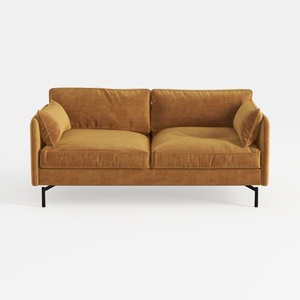
Modern Velvet Upholstered 2 Seater Sofa With Black Metal Legs 3D Model

Minimalist Tan Fabric Sofa Bed 3D Model
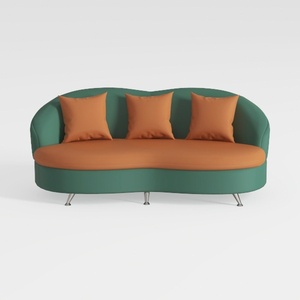

Modern Two Tone Fabric Curved Sofa With Throw Pillows 3D Model
Discover the ease of home design with Homestyler! This user-friendly platform offers an intuitive online design tool, stunning 3D renderings, and a wealth of design projects and DIY video tutorials. Transform your ideas into reality, whether you're a novice or a seasoned designer.
Progetta ora GRATIS
































