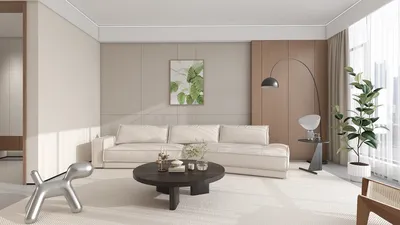


Hallways play a crucial role in influencing the atmosphere and flow of both residential and commercial spaces. They orchestrate the movement of individuals, guide visual perspectives, and significantly impact first impressions. My design philosophy integrates thoughtful illumination, intuitive navigation, and engaging textures to create halls that are not only inviting but also functionally efficient and emotionally impactful.
Establish the Key Design Parameters First
I anchor my design process around three fundamental principles: lighting requirements, clarity of movement, and acoustic comfort. Effective lighting is essential; hallways should convey safety and clarity without glare. The Illuminating Engineering Society suggests approximately 100–200 lux for residential hallways and 200–300 lux for various commercial pathways, combined with glare-free fixtures and balanced vertical lighting for even wall illumination. In workplace environments, enhancing environmental quality is directly linked to better employee satisfaction; research by Steelcase suggests that well-designed spaces promote well-being and productivity. These are not mere theoretical benchmarks—they influence every design aspect: fixture selection, spacing, reflectivity of materials, and how individuals perceive the edges of the hallway.
Create a Lighting Hierarchy That Both Guides and Soothes
Well-designed hallways benefit from a multi-layered approach to lighting: ambient light establishes a foundational sense of visibility, subtle accents indicate direction, and warm, low-glare points serve as zones for relaxation. The color temperature is significant; according to WELL v2 guidelines, circadian-friendly lighting is essential. In practice, I opt for 2700–3000K in home hallways to produce a cozy atmosphere and 3000–3500K in workspaces to maintain alertness while avoiding overly clinical brightness. Lighting vertical surfaces enhances the sense of spaciousness and safety by illuminating walls and doorways; a uniformity ratio of 0.6–0.8 along the corridor helps prevent glaring spots and viewer fatigue. Dimming capabilities are vital for evening transitions and energy efficiency.
Proportion, Rhythm, and Visual Pathways
A hallway should never evoke the feeling of a cramped tunnel. I create rhythm through repetitive features—like panel breaks, alcoves, sconces, or artwork displayed at regular intervals. Each sightline should conclude with an engaging visual element, whether that’s a window, a material shift, or an eye-catching focal piece to break monotony. Ideally, home hallways are comfortable at widths of 36–42 inches; a more generous 48 inches allows for easier navigation. In office environments, widths of 60 inches or more accommodate bi-directional foot traffic and casual interactions with minimal congestion. When designing door placements and clearances, I stagger openings to minimize visual clutter and interruptions. When exploring design options, utilizing an interior layout tool can prove advantageous for simulating space dimensions, alcoves, and door swing patterns.
Utilizing Color Psychology to Influence Movement and Atmosphere
Color has a subtle but powerful effect on behavior. Cooler tones (soft blues and muted greens) can lower the perceived temperature and encourage a steady flow of movement; in contrast, warm neutrals (like almond, sand, and clay) lend a more welcoming vibe, making them ideal for entryways. Research from Verywell Mind highlights blue’s calming effects and green’s associations with balance and harmony. For lengthy hallways, mid-value neutrals (with a Light Reflectance Value of 50–65) effectively reduce glare while maintaining luminosity, complemented by deeper accent stripes at intervals to alleviate visual fatigue. Intense colors should be used sparingly, primarily for wayfinding markers or art backdrops, rather than dominating the space.
Choosing Materials: Touch, Sound, and Durability
The choice of materials plays a subtle yet crucial role in design—they manage acoustics, reflect illumination, and indicate quality. When it comes to flooring, options like matte-finished timber, cork, or resilient rubber help mitigate sound; however, stone or porcelain say durability while seeking an acoustic balance. Wall treatments should involve high-performance paints with low sheen to reduce glare; additionally, wood slats or fabric panels in extensive commercial corridors can help control sound reverberation. For ceilings, materials such as micro-perforated gypsum or acoustic tiles with a Noise Reduction Coefficient of 0.70+ assist in managing sound levels in bustling areas. Sustainability is paramount—durable, easy-to-repair finishes and low-VOC materials enhance indoor air quality while minimizing environmental impact.
Achieving Acoustic Comfort Without Overcomplicating Design
Hallways can exaggerate the sounds of footsteps and conversations if they are left untreated. My goal is to strike a balance between sound absorption and diffusion: covering 20–30% of the wall surface in extended corridors with sound-absorbing materials can effectively control acoustics, cleverly disguised as architectural features, artwork, or shallow book niches. Rugs or runners can provide comfort in residential hallways but must be secured and low-profile to avoid safety hazards. In workplace environments, introducing soft seating clusters at strategic points can dissipate noise and provide employees with brief respite zones.
Navigating and Understanding Behavioral Patterns
Effective hallways guide movement without overwhelming with signs. I utilize light gradients, flooring inlays, and material transitions as subtle navigational signals. Observing behaviors is crucial: where do bags typically accumulate, or where do individuals tend to pause for conversations? I incorporate ledges, shallow shelves, or benches only in areas where behaviors suggest their necessity. In entryways, a landing spot (inclusive of a hook rail, tray, or slim bench) helps maintain unobstructed circulation and reduce visual distractions. For longer work corridors, small collaboration nooks every 60–90 feet promote energy distribution and lessen congestion near meeting spaces.
Doors, Hardware, and User-Centric Design
Door swing conflicts can disrupt the flow of movement. I design entrances to align in a way that avoids face-to-face swings and advocate for soft-close hardware. Lever handles are generally more accessible than knobs. For visibility, I incorporate glazed sidelights or borrowed light wherever privacy allows; vertical glazing can enhance the perception of space and safety by bringing light deep into the corridor. Consistency in sill details at thresholds helps prevent tripping hazards posed by micro-steps.
Maximizing Natural Light: Borrowing, Reflecting, and Balancing
Most hallways lack ample natural daylight. I create opportunities to borrow light from adjacent areas through mechanisms such as transoms, interior windows, or clerestory glazing. A well-planned reflectance strategy—using light-colored ceilings and semi-matte wall finishes—can effectively bounce available light throughout the space. It’s essential to pair natural light with controllable electric sources; as the quality of daylight fluctuates, stable illumination is required. I avoid fixtures that cast harsh shadows across walkways, which could elevate perceived risks.
Incorporating Storage and Display Solutions without Compromising Space
Built-in niches can enhance the personality of a hallway while maintaining order. I implement recessed shelving with integrated lighting at 2700K to highlight display items. Depths ranging from 4–8 inches ensure unobstructed circulation. Having closed storage near entry points prevents hall surfaces from becoming cluttered drop zones. For longer hallways, showcasing moments should be rotated to provide visual interest without overwhelming the senses.
Floor Designs and Movement Perception
Linear planks or subtle chevron patterns can enhance the perception of movement; wide-format tiles with low grout lines create a calming path. Strong borders should be avoided, as they can visually compress a hallway. If present, borders should pull outward—lighter shades near the baseboards can help create the illusion of increased width. Slip resistance is crucial in entryways; it’s essential to select textures that provide traction while being easy to clean.
Lighting Control and Energy Efficiency
Motion sensors with gradual fade-in functions protect eyes from abrupt brightness changes. In workplace settings, scheduled controls ensure minimum lighting levels after hours, with manual overrides available for specific tasks. Residential hallways benefit from low-level night lighting—utilizing under-shelf or baseboard LEDs that gently trace the pathway at 1–3 lux keeps movement safe without the need to completely awaken the household. Effective glare control through shield angles and diffuse lenses enhances discomfort prevention and improves visual comfort scores according to WELL-aligned guidelines.
Micro-Architecture: Arches, Beams, and Corners
Small architectural details can add significant character. Shallow arches or softened corner radiuses can lessen harsh shadow lines and create a more welcoming experience in tighter hallways. Exposed beams or ceiling coffers can create a sense of rhythm—just ensure to meet minimum headroom requirements and avoid dropping beams where doors are situated.
Strategizing the Layout
When reconfiguring a layout, I aim for compact yet spacious halls: providing the shortest distance between destinations without sacrificing comfort. I offset junctions to prevent conflict at intersections and maintain clear sightlines. Before finalizing designs, simulating door movements, furniture arrangements, and lighting positions using a layout planner can help identify any potential conflicts early in the process.
Practical Insights from Real-Life Applications
In a recent renovation project, a narrow 38-inch residential hall felt cramped until we integrated vertical wash lighting, raised the ceiling by 2 inches at the center, and introduced a series of shallow niches every 8 feet. This design choice made the corridor appear more spacious without structural modifications. During an office refurbishment, transitioning accent lighting from overhead fixtures to wall grazers significantly decreased glare complaints and enhanced brightness perception, aligning with the IES recommendations for vertical lighting.
Expert Recommendations
For further exploration of lighting design metrics and environmental performance standards, I recommend referring to IES guidelines and WELL v2 resources.
Frequently Asked Questions
Residential hallways generally feel most comfortable with lighting levels around 100–200 lux; commercial corridors often aim for 200–300 lux, with guidance from IES standards on uniformity and glare control.
Use 2700–3000K lighting to create a cozy ambience in residential halls; 3000–3500K lighting supports alertness in workspaces while remaining accessible.
Enhance vertical illumination on walls, opting for mid-value neutrals with a semi-matte finish, minimizing distractions, and concluding sightlines with an engaging light source or focal point rather than a blank wall.
Materials such as cork or rubber flooring, fabric wall panels, wood slats with backing, and acoustic ceilings with a Noise Reduction Coefficient of 0.70+ can effectively minimize sound reverberation while maintaining aesthetic appeal.
Introduce rhythm by incorporating alcoves, art niches, and seating clusters every 60–90 feet; utilize gradient lighting and subtle material transitions to indicate movement and alleviate monotony.
Recess shallow shelves (4–8 inches), include closed storage near entryways, and space display moments to maintain visual interest without overcrowding.
Select slip-resistant textures with a balanced grip; avoid high-gloss finishes. In wet conditions, consider recessed mats to prevent tripping hazards.
Indeed, integrating motion sensors with gradual fade-in and low-level night lighting can facilitate safe movement without glare.
Stagger door placements, limit opposite swings, employ soft-close mechanisms, and use a layout simulation tool to ensure clearances are confirmed.
Choose restrained high-chroma accents or distinct color bands at decision points; maintain a calming main wall color to mitigate visual fatigue.
Homestyler is your go-to online platform for home design! With its user-friendly design tool, stunning 3D renderings, and extensive design projects, it makes creating your dream space a breeze. Plus, explore DIY video tutorials to inspire your creativity. Transform your home effortlessly!
Progetta ora GRATIS
































