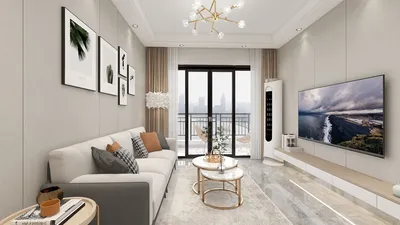


Creating an intimate mandapam hall requires a keen understanding of restraint, ritual significance, and sensory equilibrium. My aim is to provide clarity and reverence in the sacred center—where ceremonies take place—while ensuring that guests experience comfortable movement. The importance of space remains intact; it is the proportions, lighting, and honest materials that enhance the overall atmosphere. In my designs, a thoughtfully resolved focal canopy of 8 to 12 feet paired with meticulous circulation often excels compared to larger halls overwhelmed by excessive decorations. Using tools like Homestyler can help visualize different configurations effectively.
Effective design decisions can be quantified. The WELL v2 standard underscores the need for proper illumination, glare management, and color accuracy to foster visual comfort, which is essential for ensuring clarity during ceremonies (refer to WELL Light concepts at wellcertified.com). For optimal visibility around the sacred fire and during rituals, I adhere to the Illuminating Engineering Society recommendations: target an ambient light level of approximately 300–500 lux, with extra localized lighting for areas where priests perform readings or tie ceremonial knots, maintaining a correlated color temperature (CCT) around 2700-3000K and a color rendering index (CRI) of 90 or higher. This guidance aids in preventing eye strain and misreading during lengthy rituals.
Compact halls tend to perform successfully when the layout is intentionally designed. Research from Steelcase indicates that environments that encourage specific behaviors can lessen cognitive load and enhance the overall experience by clearly defining areas and flow (steelcase.com/research). In a mandapam context, a well-defined processional path, a clear sacred zone, and accessible seating reduce crowding while maintaining the depth of the ceremony. When experimenting with layouts, I simulate common activities such as entry and garland exchanges to identify and eliminate potential bottlenecks before any seating is ordered or arranged.
Focus on the Sacred Core
Within limited spaces, the mandap (canopy or pavilion) acts as a spatial centerpiece. I suggest that the footprint of the canopy occupy approximately 30 to 40 percent of the overall room width, ensuring a minimum clearance of 36 to 42 inches on the primary sides to allow for ritual movements and optimal photography angles. The plinth should be kept to 4 to 6 inches to provide elevation without creating a tripping hazard. In rooms less than 12 feet in width, consider a shallower mandap frame with a tighter column grid (for example, 4x4 feet) utilizing lighter materials such as textiles or shola wood lattices to minimize visual bulk.
Plan Circulation and Seating as a Priority
In smaller halls, ensuring smooth flow is more important than maximizing capacity. A single, unobstructed aisle leading from the entrance to the mandap should have a depth of at least 36 inches; side seating can be organized into two compressed rows with 18 to 20 inches allocated per chair and 12 to 14 inches between rows. For ceremonies that involve frequent movement, I prefer benches positioned along the aisle—they take up less space and facilitate quicker transitions. To explore options digitally, utilize a room layout tool to refine processional routes and guest setups prior to making any physical changes.
Layer Lighting for Ritual and Photography
A warm and softly diffused general lighting scheme sets an inviting atmosphere, while directed lighting ensures essential details remain clear. My approach for small halls includes a dimmable warm-white ceiling wash set at 3000K; high-CRI focused lighting on the couple and the ritual platform; as well as flicker-free LED uplighting discreetly hidden behind columns to create an alluring glow around the canopy. Maintaining a consistent color temperature is crucial to avoid discrepancies in photographs. It’s advisable to use unified glare control (with shielding angles of at least 30 degrees) to allow participants to comfortably gaze toward the altar. While candles and diyas contribute to the ambiance, I ensure they are supported by stable electric lighting for safety purposes.
Utilizing Color Psychology for Space Expansion and Calmness
Warm neutral tones such as ecru, sandy beige, and soft peach can visually enlarge small areas while complementing a variety of skin tones. Accents in marigold, vermilion, or muted saffron can enhance the auspiciousness without overwhelming the setting. Blue-green foliage in garlands provides a cooling effect to the palette and creates a sense of balance. Research in color psychology suggests that warm tones encourage sociability, and employing a balance in color saturation can help mitigate visual fatigue even during prolonged ceremonies. It looks best to concentrate high-chroma shades at the mandap and entryway while allowing wall colors to recede into the background.
Selecting Materials That Are Light, Honest, and Safe for Fire
Opt for lightweight framework options—such as bamboo, engineered wood, or slender powder-coated metal—with fabric drapes made from natural fibers like muslin, chanderi, or lightweight silks. These materials not only drape beautifully but also diffuse light and allow spaces to breathe in crowded conditions. When it comes to flooring near the havan kund, prioritize non-slip stone or vitrified tiles complemented by a flat woven rug for added comfort. All textiles used around open flames must be treated for fire resistance or positioned away with tempered glass barriers as a safety measure. Elements such as brass, shola, and fresh floral arrangements offer traditional aesthetics without creating a visual overload.
Understanding Spatial Ratios and Visual Harmony
When designing for compact spaces, I aim for a height-to-width ratio of 1:1.6 for the canopy to prevent a squat appearance. For instance, a 7-foot width canopy appears best with an overall height of around 11 feet in rooms with taller ceilings; in spaces with lower ceilings, I compress the crown of the canopy and reinforce vertical designs (e.g., garlands or torans) to create an illusion of height. Consistent rhythmic patterns—like columns, garlands, and lamps—create symmetry along the centerline, thereby embodying the essence of ceremony, while asymmetrical floral arrangements can provide softness without disturbing order.
Enhancing Acoustic Comfort Without Adding Bulk
In smaller and hard-surfaced spaces, sound can quickly become a problem. Implementing discreet acoustic solutions can help: fabric backdrops behind the mandap, felt layers beneath aisle runners, and cushioned seating can all assist in sound absorption. It’s essential to aim for distributed, low-volume audio instead of relying on a single loudspeaker. Keep microphones directional towards the priest and couple to avoid sound spill and feedback, ensuring that guests can clearly hear the mantras without echo, thus maintaining an intimate atmosphere.
Efficient Storage and Quick Transformations
Smaller venues frequently host various functions throughout the day. I indicate the use of foldable seating, nesting side tables for offerings, and modular mandap components that can roll and pin-lock in place easily. Proper cable management is crucial: run electrical wiring along the perimeter with protected crossings using gaffer tape. A concealed console (24–30 inches deep) near the entry can store items for pooja, floral petals, and emergency supplies while also serving as a reception counter.
Incorporating Natural Elements Without Overcrowding
Utilize vertical garlands, banana leaves at the entrance, and a focal floral display above the couple while avoiding a full floral canopy in small spaces, as this would lower the perceived height. Brass lamps at the corners serve as anchors within the space. If the hall features windows, rely on sheer panels to diffuse natural light and prevent excessive glare or hotspots during photoshoots.
Integrating Technology and Safety Measures
Ensure electrical elements remain discreet and secure: use low-heat LED fixtures, confirm foot-candle levels pre-event, and choose UL-listed dimmers. If fire rituals are part of the ceremony, create a designated zone with a non-combustible tray and Class A fire extinguisher, ensuring it’s unobtrusive yet accessible. Battery-powered uplights can minimize cable trip hazards and expedite resets for changes in layout.
Examples of Layouts for Small Mandapam Halls
Position the mandap at the short end of the room, centered, with a shallow depth. Designate a single center aisle with a width of 36 inches, alongside 2-3 rows of seating on either side, featuring armless chairs for better space management. Allow a service lane of 24 inches for photographers when necessary.
Centralize the mandap with a 5x5 foot area; configure seating in an L-shape for an unobstructed diagonal view. Implement integrated aisle lighting within floor runners to direct traffic effectively.
Incorporate four corner lamp posts (slim stands with uplights) to define the boundary. Guests can position themselves behind these posts during significant moments, while chairs stay along the walls, moved forward only for elderly guests.
Cost-Effective Strategies That Exude Premium Quality
Invest in high-CRI, dimmable lighting fixtures and a beautifully crafted backdrop to enhance both photographs and perceived elegance. Consider renting modular frames and alternating drapes and floral arrangements based on the color palette. Limit the choice of props—two standout pieces (for instance, a brass urli with flowers alongside a carved backdrop panel) will surpass a collection of numerous smaller items in impact.
Final Checklist Before Approval
FAQ
Maintain the mandap footprint at about 30 to 40 percent of the overall room width. For a room measuring 12 feet wide, a canopy with dimensions of 4 to 5 feet will maintain prominence while ensuring clear aisles.
Target ambient lighting levels of 300 to 500 lux, utilizing warm lighting in the 2700 to 3000K range with a CRI of 90 or greater to ensure accurate rendering of skin tones and garments. Incorporate focused lights on the couple and the ritual area, alongside dimming options to adapt the mood as necessary.
Utilize armless chairs measuring 18 to 20 inches in width, arrange bench seating along the walls, and maintain a single open aisle down the center. Consider establishing standing zones at the back for brief segments to enhance capacity without obstructing views.
Employ light neutral tones for walls and ceilings—ecru, sand, soft peach—contrasted with vibrant warm details (such as marigold or saffron) at the mandap to create a balance of auspicious color alongside visual serenity and apparent space.
Opt for soft materials such as fabric backdrops, felt under runners, cushioned seating, and a dispersed array of low-volume speakers. Directional microphones on officiants can drastically reduce ambient noise in the room.
Yes, with proper precautions: utilize a non-combustible base, flame-resistant or sufficiently distanced fabrics, provide a tempered-glass barrier, ensure supervised handling, and keep a nearby Class A extinguisher. Conduct safety drills to reinforce practices.
Position the mandap against a short wall, ensuring a 36-inch central aisle, while employing compact side seating. Utilize vertical decor elements to optimize depth—garlands, slender columns, and wall-mounted backdrops are ideal choices.
Route electrical lines along room edges, maximize battery-operated uplights wherever feasible, secure crossing points with gaffer tape, and conceal control systems in a shallow console placed near the entry. Early planning for microphone and speaker placements is essential.
Choose lightweight options like bamboo or slender metal frames, complemented by muslin or chanderi drapery, alongside brass lamps, shola crafts, and fresh flowers for an elegant and authentic ambiance that keeps sightlines open.
Implement modular frames, foldable seating, and wheeled plinth modules for easy transitions. Maintain a labeled kit for floral arrangements, fastening materials, and lighting gels for fast palette changes in mere moments.
A digital layout design tool is beneficial. It allows you to test aisle widths, guest counts, and camera placements before the actual setup, making it much simpler to create effective arrangements using something like Homestyler for quick revisions.
Modern Fabric Curved Sectional Sofa With Decorative Throw Pillows 3D Model

Minimalist Oak Linen 3 Seat Sofa 3D Model

Rustic Solid Wood Live Edge Side Table 3D Model
Homestyler is your ultimate online home design companion! With its easy-to-use design tool, stunning 3D renderings, and a wealth of DIY video tutorials, you'll be inspired to create beautiful living spaces effortlessly. Perfect for both beginners and experienced designers!
Zaprojektuj teraz za darmo
































