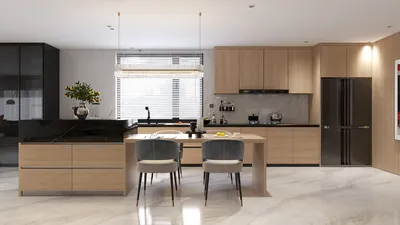


I've curated more intimate banquet settings than expansive ballrooms, relishing in how a cozy space can be tailored and unforgettable. The essence lies in balancing scale, illumination, and flow, ensuring guests perceive richness without overcrowding. In smaller venues, every choice—like table shapes, fixture heights, and fabric touch—has a significant effect on comfort, sound quality, and perceived space.
Research continuously supports meticulous planning. Insights from Steelcase underline that a variety of spatial arrangements and ergonomic options boost satisfaction and overall performance—principles applicable to events that involve extended periods of mingling, dining, and toasting. The WELL v2 guidelines further stress the importance of maintaining a minimum lighting level of around 300 lux in frequently used areas, increasing to 500 lux for tasks. Thus, it is critical to remember that banquet lighting is not just for aesthetics; it must facilitate reading place cards, ensuring safety, and aiding post-event cleanup. My goal is to implement layered lighting that can adjust from 300 to 700 lux depending on the setting and activity.
The psychology of color plays a vital role as well. According to insights from Verywell Mind, warm colors foster sociability and warmth, while cooler tones evoke calmness and spaciousness. In intimate banquet spaces, I often establish a cool base (such as soft slate or misty eucalyptus) complemented by warm accents (like cognac leather and brass trims) to evoke intimacy without overwhelming the senses. From an ergonomic standpoint, maintaining a table width of 600 to 760 mm per guest and circulation pathways of 900 to 1200 mm ensures comfort and aligns with hospitality standards informed by workplace and dining research.
Design Vision: Sophistication in Compact Areas
Sophistication does not equate to opulence; it embodies intentional design. I pursue a subtle luxury that resonates with purpose: sleek furniture, authentic materials, and elegant lighting. Within smaller venues, vertical elements like pilasters or fluted acoustic panels create visual height and rhythm. Opt for a restrained palette and allow standout pieces—such as a long pendant light or sculptural console—to shape the overall identity of the space.
Understanding Spatial Ratios and Seating Arrangements
Seating arrangements significantly influence the flow of the event. For gatherings of 60 to 100 guests in a compact setting, 1500 to 1800 mm round tables can overpower the space; I advocate for narrower 700 to 800 mm rectangular tables arranged in doubles or U-shapes, which enhance sight lines and minimize unused corners. Ensure a chair pull-out clearance of 450 to 600 mm and maintain at least 900 mm of space between rows. Head tables can afford to be shallower, typically 650 to 700 mm with streamlined tableware, allowing smoother circulation for toasts. Utilizing a room layout tool, such as Homestyler, can aid in visualizing setups for buffet services, plated meals, or cocktail events.
Creating Dynamics with Lighting Layers: Ambient, Task, and Theatrical
Employing multiple adjustable layers keeps a small venue engaging. Ambient lighting: recessed or surface-mounted fixtures set at 300 to 400 lux for mingling; task lighting: 500 to 700 lux over dining tables and bars, and theatrical lighting: dimmable accents around 2700 to 3000K to enhance appearances. Adhering to IES glare standards entails minimizing direct visibility of bright light sources and utilizing baffles or louvers. A warm-dim profile during speeches soothes skin tones, ensuring flattering photographs. In venues with low ceilings, perimeter cove lighting reflects off surfaces to maintain an open feel while enhancing the visual space.
Acoustics: Achieving Aural Elegance
In smaller spaces, noise levels can be exaggerated. Incorporating soft finishes can help to balance reverberation time; consider upholstered chairs, fabric-wrapped acoustic panels, and wool carpet tiles to absorb higher frequencies. While retaining durable materials such as stone or engineered wood, interrupt expansive surfaces with textured wall coverings. Position speakers close to the audience to ensure consistent sound levels, steering clear of corners for subwoofers to prevent overwhelming bass. Installing low-profile acoustic panels can achieve desired sound control without added bulk.
Opting for Materials with Character and Durability
It’s essential to select materials that are both photogenic and resilient. Matte finishes can minimize glare and are less prone to fingerprints; brushed metals like champagne brass offer subtle shine. Consider spill-resistant performance fabrics for dining chairs, combined with natural textiles—linen drapery and wool throws—to enhance comfort. For sustainable choices, opt for carpets made from recycled materials and FSC-approved veneers; WELL v2 guidelines recommend low-VOC finishes for the benefit of sensitive guests. Using rounded edges on tables helps avoid bumps in tight spaces and offers a more custom feel than sharp corners.
Exploring Calibrated Warmth through Color Psychology
Establish a cool base palette and then incorporate warmth strategically in areas where lingering is encouraged—like bars and lounge settings. Using soft blues and greens can visually expand the space, while touches of rust or terracotta in floral arrangements maintain a welcoming ambiance. Staying clear of bright colors on large surfaces is key, as this can make small areas feel compressed. Instead, experiment with tonal differences and varying textures such as boucle and ribbed velvet to add depth.
Furniture Design and Circulation Flow
Maintain slim and sleek furniture profiles. Tabletops with knife edges, armless dining chairs with thin legs, and low-profile lounge furniture promote a sense of airiness. Mobile service stations equipped with locking casters offer flexibility in rearranging the space during events. It's essential to ensure clear pathways of at least 1200 mm from entry to bar and kitchen; secondary paths can be minimized to 900 mm when necessary. If transitioning from a seated meal to a dance floor, planning designated furniture nesting zones in advance—areas to temporarily place extra chairs—can ensure smooth transitions.
Curating Staging, Sight Lines, and Memorable Moments
In smaller venues, every moment must be meticulously planned. Position the stage off-center to avoid symmetry; angle head tables by 7 to 12 degrees for relaxed sight lines. Employ a 1:1.6 proportion for feature walls, subtly echoing the golden ratio. Position focal points at eye level (1500 to 1700 mm) for standing guests, ensuring that signage and decor are always visible. During ceremonies or speeches, place microphone stands and podiums carefully to avoid obstructed views—test sight lines from varying seats to ensure clarity.
Optimizing Service Flow and Back-of-House Strategy
A seamless guest experience relies on carefully planned service routes. Establish two-way pathways for staff that remain clear of congested areas; a service corridor of 1200 to 1500 mm is ideal even in restricted layouts. Stations for glassware, hot plates, and waste should be acoustically isolated from guests through soft partitions. In tight spaces, consider integrating service areas directly into the design—like fluted credenzas with vented backs and enclosed bins hidden behind tasteful fabric doors.
Fine-tuning Lighting Controls and Scene Management
Scene presets help anchor the event's timing: reception, dining, toasting, and celebration. Featuring an intuitive interface—whether a labeled wall station or tablet—is key for hosts. Use gradual transitions of 5 to 10 seconds for lighting changes to avoid eye strain. Synchronizing lighting shifts with acoustic cues—like soft music during speeches—can naturally direct guest behavior without the need for constant announcements. Whenever possible, use flexible, battery-operated uplights to maintain a clutter-free environment.
Layout Options for Small Banquet Spaces
• Cocktail-first approach: High-top tables along the edges, with cozy lounge arrangements in the center; ensure a 900 mm clear path around.
• Banquet layout: Double rectangular tables with a clear center pathway of 1200 mm; head table against the short wall featuring cove lighting.
• Split theater arrangement: Chevron rows facing the stage, with dining tables positioned behind; convert post-ceremony using designated furniture nesting areas. A layout simulation tool, like Homestyler, can aid in visualizing these transitions without guesswork.
Effortless Branding, Graphics, and Personalization
In smaller spaces, branding should be subtle yet effective. Monochromatic designs on fabric banners, embossed menu covers, and discreet projection mapping can create a memorable experience without overwhelming the senses. For weddings and private events, strategically placing monograms where guests naturally look—the bar or stage backdrop—will enhance visual impact rather than scattering logos throughout the venue.
Cost-Effective Strategies with High Visual Impact
Prioritize investment in lighting and textiles; these elements set the mood and elevate your photographs. Consider renting or commissioning one standout piece—a striking pendant or sculptural floral design—and keep other elements minimal. Refresh existing chairs with chic slipcovers, replace plastic chargers with elegant matte stoneware, and install drapery to enhance awkward wall lines.
Real-Life Example: A Jewel Box for 90 Guests
In a 150-square-meter hall with a 2.7 m ceiling height, I arranged two 10 m banquet setups with 700 mm of table width per guest, ensuring aisles of 900 to 1200 mm. Setting ambient lighting at 350 lux, task lighting at 550 lux, and utilizing 2700K accents kept attendees’ faces warm and photographs crisp. Acoustic panels behind elegant oak provided sound control without sacrificing design. Guest movement was fluid, and the transition to a dance floor took merely eight minutes—efficient planning made all the difference.
Expert Insights
For those seeking deeper insights on creating human-centered environments, Steelcase’s research and WELL v2 performance standards offer invaluable guidelines; these frameworks reinforce the harmony between comfort, control, and adaptability that smaller banquet halls require.
FAQs
Q1: What are the ideal illuminance levels for small banquet rooms?
A1: Aim for 300 to 400 lux for ambient lighting and 500 to 700 lux for task lighting over dining surfaces. These recommendations align with WELL v2 guidelines to maintain comfort in occupied spaces.
Q2: How can I mitigate glare in low-ceiling areas?
A2: Utilize perimeter cove lighting, diffused lenses, and shielded fixtures. Ensure luminaire cut-off angles are elevated while avoiding direct line-of-sight of bright light sources.
Q3: What seating configuration maximizes capacity without creating a cramped feeling?
A3: Narrow rectangular tables (700 to 800 mm wide) organized in double rows help maintain unobstructed lines of sight and ease of movement. Ensure 900 mm aisles and 450 to 600 mm chair clearance for optimal comfort.
Q4: Which colors create the illusion of larger spaces in compact venues?
A4: Opt for desaturated cool shades—soft blues, greens, and pale grays—to visually expand the area. Introduce warm accents (such as amber, brass, or cognac) in focal points to maintain intimacy.
Q5: How to enhance acoustics without bulky drapery?
A5: A combination of plush seating, textured wall treatments, and discreet acoustic panels or clouds can effectively control sound levels. Fragment expansive hard surfaces with decorative fluting or micro-perforation to manage reverberation.
Q6: What materials deliver both durability and elegance?
A6: Consider robust, easy-to-clean performance fabrics, high-quality wool carpets, FSC-certified materials, and brushed metals for an elegant yet resilient finish. Favor matte finishes over glossy to reduce glare.
Q7: How should event lighting scenes be configured?
A7: Set up four distinct presets for reception, dining, toasts, and celebrations, ensuring smooth warm-dim transitions paired with gradual fades. Simplifying controls and clear labeling enhances usability for planners.
Q8: Which ergonomic dimensions are critical?
A8: Ensure table widths of 600 to 760 mm per guest, circulation spaces of 900 to 1200 mm, and rounded edges on tables to guarantee comfort, reflecting universal human factors guidelines for dining.
Q9: What is an effective strategy for branding in small environments?
A9: Concentrate brand elements at natural focal points like the stage or bar. Utilize monochrome designs or restrained embossing to avoid overwhelming visuals.
Q10: How do I seamlessly transition between a dining setup and a dance floor?
A10: Prioritize pre-planned nested furniture arrangements and lightweight, armless chairs. Mobile service areas and battery-operated uplights facilitate quick and tidy transformations.
Insights from Steelcase research and WELL v2 guidance regarding human-centered environments underpin many recommendations herein.
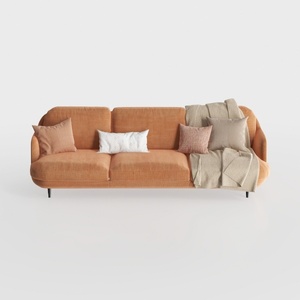

Modern Minimalist Orange Fabric Three Seater Sofa With Throw Pillows 3D Model
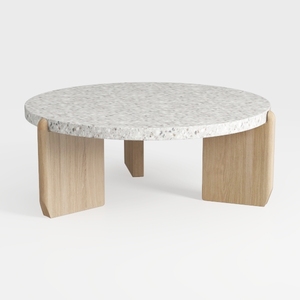
Minimalist Terrazzo Solid Oak Round Coffee Table 3D Model
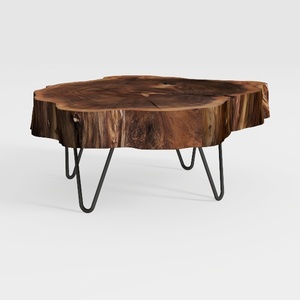
Natural Wood Coffee Table, Natural Wood Edge Conte
Homestyler is your go-to online platform for transforming your home designs into reality! With its user-friendly design tool, stunning 3D renderings, diverse design projects, and helpful DIY video tutorials, creating your dream space has never been easier or more enjoyable.
Progetta ora GRATIS
































