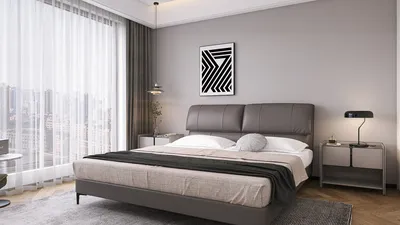


The concept of future living is evolving into more intelligent dimensions, with current challenges such as privacy issues, storage limitations, and daily chaos continuing to disrupt lives. Recent insights from AIA highlight the growing trend of multi-generational cohabitation, suggesting that designs accommodating five-family households are not just niche but indicative of near-future norms. As we anticipate these changes, I am focusing on designing solutions that respond to this emerging demand, particularly with tools like Homestyler.
Clustered Pods with Central Commons
Design Logic:Five micro-suites revolve around a communal core, resembling nodes linked to a central server, facilitating autonomy while fostering a strong community connection.
Flow:The layout consists of Entry → shared mudroom → communal kitchen → radial halls → pods; maintenance and delivery paths run along a rear axis to enhance efficiency.
Sightlines:The commons area welcomes natural light akin to a bright dashboard; pod arrangements are staggered to eliminate cross-views, preserving privacy effectively.
Storage:Each pod features vertical lockers, complemented by a shared pantry for bulk items, creating a tiered storage system that allows for quick access and organized archive space.
Furniture Fit:Compact queen beds, 30-inch task tables, and modular seating solutions are designed to meet the spatial constraints of close living arrangements.
Verdict:This design promotes human connection without excessive noise, and five years down the line, it will still embody the essence of agile living rather than cramped quarters.
save pin
Split-Level Bands with Shared Service Spine
Design Logic:The structure employs stacked half-levels to organize households into bands, synchronizing with gravity and service pathways for enhanced utility efficiency and discreet privacy.
Flow:The sequence follows Street level → shared vestibule → vertical stair hub → band corridors; each band connects to a laundry/service core like a streamlined API connection.
Sightlines:Short, controlled corridors serve as minimal-latency links; living spaces open to outdoor views rather than facing other families, hence reducing mental load.
Storage:Features such as under-stair drawers, linen closets on each band level, and mechanical room racking function as a distributed storage system to minimize clutter.
Furniture Fit:Sectional sofas limited to 84 inches, drop-leaf tables, and wall beds are designed to complement split levels without obstructing flow.
Verdict:Aligning households with service logic results in a tranquil and efficient living environment—ready to adapt to evolving family dynamics and energy consumption norms.
save pin
Court-Yard Grid with Perimeter Suites
Design Logic:Perimeter suites encircle a radiant courtyard, transforming shared green spaces into a vibrant hub that cools, assembles, and enhances community interaction.
Flow:The pathway flows from Gate → perimeter lobby → suites; the courtyard acts as a barrier and activity central, with kitchen pavilions scheduled like events.
Sightlines:Long vistas to trees and limited cross-views are softened by screens; layers of privacy stack from personal to communal without revealing too much.
Storage:Outdoor bench-chests, bike storage alcoves, and attic designs provide flexible storage options; seasonal containers can rest at the grid's edge.
Furniture Fit:Outdoor-friendly tables, sleek armchairs, and 24-inch deep wardrobes ensure that furnishings align with the rhythm of movement from garden to suite.
Verdict:The grid harmonizes climate, light, and daily rituals, allowing five families to share ambiance and time while maintaining distinct identities.
save pin
Final Takeaway
In designing floor plans for houses accommodating five families, each household is viewed as an individual node, with the building serving as an interface to integrate them seamlessly. Through multi-family layouts, co-living spaces, and split-level designs, we can transform constraints into a coherent system. The most intelligent five-family homes will resonate with intentionality rather than sheer size, integrating daily life more thoughtfully. My experiences reveal that well-considered spatial strategies can profoundly influence how families interact and coexist.

Minimalist Walnut Glass Door Tall Display Cabinet 3D Model
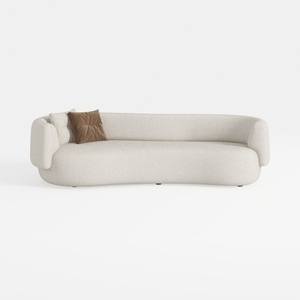
Minimalist Boucle Curved Living Room Sofa 3D Model
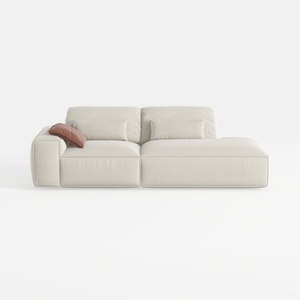
Minimalist Beige Fabric L-shaped Chaise Sofa 3D Model
Homestyler is your go-to online home design platform! With its user-friendly design tool and stunning 3D rendering features, you can visualize your space like never before. Plus, access inspiring design projects and helpful DIY video tutorials to make your dream home a reality. Transform your ideas today!
立即免费设计
































