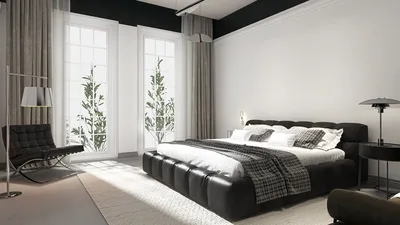


When designing living room ceilings, I see them as the silent director of the space, managing light, sound, and overall aesthetic rhythm. Using plaster allows for intricate detailing, concealing utilities, and adjusting proportions effectively. A thoughtfully designed plaster ceiling can illuminate dim areas, dampen echoes, and highlight focal points, all while appearing effortlessly elegant.
The effectiveness of lighting is my primary criterion. The Illuminating Engineering Society suggests a range of 100–300 lux for living areas, with zones requiring up to 300–500 lux based on activities (IES lighting recommendations). The WELL Building Standard emphasizes the importance of glare control and visual comfort for wellbeing. By integrating indirect coves into a plaster ceiling, I can achieve these lux levels while ensuring consistent, low-glare lighting; a continuous cove can enhance average brightness by 20–30% compared to isolated downlights, as it disperses light over reflective ceilings. For further insights on lighting and wellness, WELL v2's Light concept provides essential guidance.
Color psychology is a pivotal consideration at the ceiling height. According to Verywell Mind, warm whites (2700–3000K) promote relaxation, while cooler shades (3500–4000K) boost alertness. I carefully coordinate plaster finishes with lamp CCT: utilizing a soft, warm plaster (with LRV around 80–85) in conjunction with 3000K LEDs fosters a tranquil evening ambiance; in multifunctional living areas that also serve as workspaces, I incorporate an additional 3500K ambience for enhanced focus. By ensuring proper surface reflectance, I can minimize necessary fixture output while achieving comfortable contrast ratios.
Fundamental Design Principles for Plaster Ceilings
Proportion is essential. In spaces with ceilings ranging from 8 to 9 feet, I steer clear of bulky drops that might make the area feel cramped; typically, a 3 to 4 inch service plenum suffices to hide conduits and LED tracks. In taller spaces, I implement layered planes or step designs to create a sense of grounding. Rhythm can be introduced through reveals, linear coves, and subtle coffers that resonate with the arrangement of furniture and pathways.
Considerations from human factors and ergonomics are crucial when determining fixture placement. Downlights located directly above seating can create distracting brightness on shiny surfaces, causing discomfort. I position ambient lighting towards the perimeter and direct accent beams toward artwork or shelves at angles of 30–35° to mitigate glare and shadows. Introducing a slight NRC increase with soft materials (textiles, rugs) complements the plaster's mass in reducing echo; the ceiling's hard surface, alongside integrated lighting pockets and perforated acoustic panels, manages sound absorption in an unobtrusive manner.
Ceiling Styles That Excel
Perimeter cove ceiling: I incorporate a 3–5 inch plaster cove paired with continuous dimmable LED tape (90+ CRI) to provide seamless ambient lighting. This soffit also acts as a cable conduit, allowing for slender linear accents in seating areas without exposed fixtures.
Shallow coffer grid: I utilize subtle 2–3 inch coffers (avoiding ornate moldings) that align with the furniture grid, imparting an orderly appearance and diminishing glare by recessing light sources. For medium-sized rooms, a 2×3 grid establishes rhythm without overwhelming the space.
Ribbon reveal ceiling: A continuous plaster expanse featuring a 1–2 inch shadow reveal traces the area’s circulation path. Inside this reveal, I introduce micro-linear lights that aid in nighttime navigation and foster a modern profile.
Hybrid acoustic band: Above TV walls or music areas, a slim strip integrates micro-perforated panels or fabric-wrapped sound absorption within a plaster framework. This approach enhances speech clarity while maintaining a minimalist aesthetic.
Lighting Strategy Within Plaster Ceilings
I blend layers of ambient, accent, and task lighting. Ambient light emanates from concealed coves or recessed indirect uplighting. Accent lighting is achieved through adjustable downlights or wall washers angled at 30–35°, ensuring peak brightness does not fall on reflective surfaces. Task lighting is positioned lower, typically using table lamps or floor lamps to maintain a clean ceiling appearance.
Color temperature scenarios: Evenings should feature lighting at 2700–3000K, while daytime should utilize 3500–4000K. I ensure a consistent CRI (90+) across all light sources for accurate color representation. Dimming adjustments should provide smooth transitions; I place cove lighting on separate dimmers for precise control over brightness levels.
Managing glare: I recess optics approximately 0.5–0.75 inches within plaster outlets, utilize matte white baffles, and maintain beam angles between 30–60° in living rooms. In family rooms designed for TV viewing, I avoid direct downlights in front of the screen to mitigate reflections.
Material and Finish Considerations
Plaster composition: Traditional gypsum plaster presents a dense and smooth surface with excellent detailing. In humid regions, I opt for moisture-resistant boards as substrates beneath skim coats. For ceilings that are easy to repair, I design access panels within coves rather than creating visible openings later.
Finish quality: I always choose a matte finish. Eggshell sheens may highlight surface irregularities when illuminated. I conduct finish samples under intended lighting to evaluate their performance, as ceiling mistakes become evident rapidly in evening light.
Sustainability: I utilize low-VOC materials and paints, while confirming recycled components wherever feasible. LED fixtures with efficient drivers lower energy consumption; I adjust ambient brightness to meet target lux levels without over-illuminating, which can increase energy use and glare.
Spatial Proportions and Visual Balance
Ceiling drops should convey intent. In spaces smaller than 200 square feet, I limit drops to a maximum of 4 inches and concentrate complexity around edges. Larger areas benefit from layered planes that visually gather seating arrangements. I align reveals with key structural lines: the centerline of the sofa, the midpoint of the fireplace, and the main circulation route. This orderly approach facilitates navigation and reduces visual distraction.
Designing the Layout
Prior to any plaster work, I outline furniture layouts, traffic patterns, and focal walls. If you're exploring various configurations, a room layout tool can assist in simulating seating clusters, viewing angles, and cove placements before construction.
Coordination of services is essential. I position HVAC diffusers at edges or integrate linear slots within coves to prevent drafts near seating. Sprinkler heads are strategically placed over coffer centers or within reveals, and junction boxes are situated to allow for future pendants without disturbing the finished plaster surface.
Acoustic Comfort Without Adding Bulk
Plaster tends to reflect sound; the challenge lies in balancing it with absorptive elements. I generally keep absorption concentrated at walls, rugs, and furniture, while the ceiling design is key to managing sound trajectories. In lively spaces, small acoustic inserts within plaster frames above hard floors can help control mid-range reflections while remaining unobtrusive visually.
Emerging Trends for 2024–2025
I observe a shift towards subtle sculpting over ornamentation: Fine reveals and slim coves are becoming preferred over heavy moldings. Indirect lighting serves as the primary ambient source, with warmer evening scenes and tunable CCT to accommodate hybrid living/work environments. Designs that incorporate integrated service bands to conceal ventilation and wiring are gaining traction, along with ceiling layouts that prioritize glare-free viewing in media areas.
Execution Best Practices
Mockups are invaluable. I construct a 2×2 ft sample featuring the actual LED, trim details, and finish to evaluate shadow quality. I ensure lux levels are measured at seating height with a light meter. To avoid cost overruns, I sequence trades so that the electrical rough-in and HVAC integrations are completed before plaster application; addressing issues post-finish can be expensive.
Frequently Asked Questions
Aim for 100–300 lux for general ambiance, and 300–500 lux in task-specific areas. Maintain uniform luminance and rely on indirect coves to minimize glare, in line with IES guidelines.
Utilize 2700–3000K lighting for calming evening spaces. Consider adding a secondary 3500K setup for daytime activities without creating a stark atmosphere.
Indeed—implementing shallow coffers (2–3 inches) can establish rhythm and recess lighting to help control glare. Ensure alignment with furniture to avoid clutter.
While plaster does reflect sound, it can frame acoustic elements and indirect lighting to reduce echo. When paired with rugs and soft furnishings, it ensures balanced sound absorption.
To prevent reflections, keep direct downlights away from the screen wall. Instead, utilize dimmable coves and off-axis accent lighting, and mitigate reflections with matte finishes.
By using high-reflectance plaster (LRV around 80–85) along with 90+ CRI LEDs, indirect lighting systems can fulfill ambient requirements with fewer fixtures, as the ceiling serves as a large reflector.
If services are routed through coves, incorporate discreet access panels in the cove or reveal to simplify future repairs, preventing unsightly cuts in finished plaster.
In spaces under 200 square feet, keep ceiling drops under 4 inches. Position complexity towards the edges to enhance the perception of height.
Placing service elements at the edges or integrating linear slots in coves prevents drafts above seating while maintaining clean ceiling profiles.
Opt for a matte finish, as it conceals minor surface inconsistencies and maintains comfortable lighting under indirect illumination.
Absolutely. Employ an interior layout planner to experiment with furniture and lighting alignments, ensuring coves and reveals are strategically positioned for maximum effectiveness.
Originally incubated at Autodesk, Homestyler has grown into one of the most widely adopted home design platforms in the world, now trusted by over 18 million users. Whether you're a homeowner exploring ideas or a professional designer delivering client-ready renders, Homestyler brings industry-leading 3D technology to your fingertips — no experience required.

Minimalist Fabric Pendant Lamp Modern Ceiling Light 3D Model

Modern Black Metal Glass Pendant Lamp 3D Model

Natural Rattan Woven Pendant Lamps Minimalist Boho 3D Model
Homestyler is your go-to online platform for effortless home design! With its user-friendly design tool, stunning 3D renderings, and a wealth of inspiring design projects and video tutorials, you'll turn your decorating dreams into reality, regardless of your experience level.
Progetta ora GRATIS
































