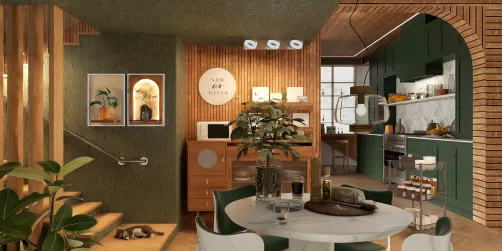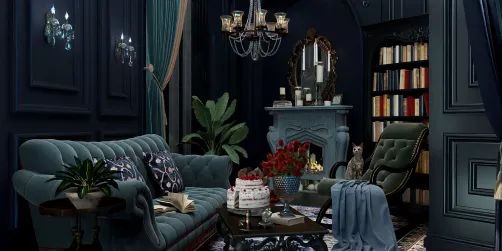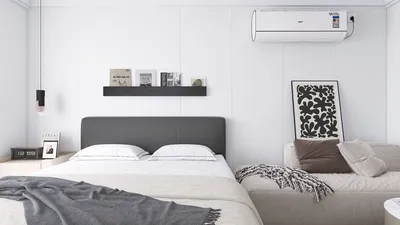



I have conceptualized numerous living spaces that cater to the eldest son's need for a balanced environment promoting study concentration, emotional stability, and fostering independence. Moving beyond traditional norms, thoughtful spatial arrangement, ample natural light, and ergonomic features significantly influence his well-being. For instance, exposure to morning sunlight enhances circadian rhythms and cognitive abilities. The WELL v2 framework emphasizes the importance of daylight access and minimizing glare to support healthy sleep patterns and overall productivity. Additionally, environments designed to minimize visual clutter and ensure ergonomic seating can substantially improve focus and performance—research from Herman Miller indicates that proper posture and monitor positioning alleviate musculoskeletal stress and enhance concentration during extended work periods.
The layout of the room is just as crucial as its orientation. According to research by Gensler, clear circulation paths and distinct zones enhance cognitive flow and reduce distractions, ultimately leading to better academic performance. Furthermore, color psychology plays an important role; studies by Verywell Mind reveal that cooling blues and balanced greens aid in lowering heart rates and anxiety, providing a calming effect crucial during study sessions. Incorporating these insights with Vastu's principles creates a restful and purposeful environment, naturally nurturing the eldest son's responsibilities and daily activities.
Essential Vastu Directions for the Eldest Son
- Optimal room location: The West or South is commonly favored for the eldest son, with the West associated with stability and measured aspirations. The South-West can convey authority but requires careful balance to avoid a heavy atmosphere.
- Bed arrangement: Position the head towards the South or East; avoid North-facing headboards for better sleep quality. The bed should be aligned with a solid wall, avoiding large windows behind it.
- Study area: Place it in the East or North-East to encourage alertness during morning hours; the desk should face East or North to maximize focus and minimize glare, particularly for right-handed individuals by ensuring light comes from the left and vice versa for left-handed ones.
- Entry and pathways: A single, well-defined entry from the North or East promotes balanced energy and navigability.
Room Dimensions, Zoning, and Optimal Circulation
I advocate for a 60/40 distribution between tranquil functions (sleep/storage) and active functions (study/hobby), ensuring a clear circulation space of 900–1050 mm leading from the entrance to the study desk and window. This layout reduces minor inconveniences—such as bumping into furniture—while supporting seamless routines. When experimenting with furniture layouts, consider using a layout simulation tool to accurately assess door swings, desk reach, and bed clearances with Homestyler, a room planning tool that provides precision.
Bed, Desk, and Wardrobe: Ergonomics That Matter
- Bed: Allow for 600–750 mm of space on at least two sides for easy movement. Ensure a solid headboard is used, avoiding any overhead beams. Keep mirrors away from facing the bed to reduce night-time distractions.
- Desk: Aim for a height of 710–750 mm, paired with an adjustable chair. The monitor should sit at eye level or just below, with a viewing distance of 500–700 mm; according to Herman Miller’s findings, maintaining neutral neck posture greatly minimizes fatigue during studying.
- Wardrobe: Position it along the South or West walls to ground the room effectively. Utilizing sliding doors can save space while rounded handles prevent snags.
Lighting: Prioritize Daylight, Then Layer Task and Ambient Light
- Daylight: Favor East-facing windows for gentle morning light; manage glare using shades that allow 5–10% openness. The WELL v2 framework underscores the importance of adequate lighting and glare reduction for visual comfort.
- Task lighting: Ensure a desk surface illumination of 300–500 lux, using a neutral-cool color temperature of 4000–5000K for studying. Place task lights strategically to avoid casting shadows on the predominant side.
- Ambient light: Aim for 200–300 lux with a warm-neutral tone of 3000–3500K during the evening to promote relaxation. Being able to dim the lights facilitates a smooth transition from active study to winding down.
- Night mode: Utilize low-level wall washers or motion strips under the bed to create safe pathways at night without overwhelming blue light.
Color Psychology Customized for the Eldest Son
- Walls: Opt for muted slate blue, soft sage, or warm greige to stabilize emotions. The link between blues and greens with calmness and focus is well-documented by Verywell Mind.
- Accents: Utilize deep terracotta or umber in moderation to evoke resilience and leadership without coming across as aggressive.
- Ceilings: Choose a slightly lighter shade than the walls to give an illusion of height and reduce cognitive load.
- Avoid overly bright reds in the study’s sightlines as they may increase arousal and shorten attention spans.
Sound Management for Enhanced Focus
Effective studying requires managing noise effectively. Aim for a background noise level of 35–45 dBA during study periods. Incorporating soft rugs, lined curtains, and fabric headboards can significantly dampen noise. Keeping bookshelves 60–80% full can also help in diffusing sound. Whenever possible, position the study desk away from air-conditioning units or corridor walls to minimize distracting sounds.
Storage Solutions, Reducing Visual Clutter, and Behavioral Indicators
Ensuring closed storage helps maintain a clear view and enables the eldest son to adopt a responsible and organized mindset. Accessibility for frequently used items should be within a zone of 900–1500 mm above the floor, while rarely used items can be placed on higher shelves. A slim pinboard situated near the desk can serve to collate papers and goals, reducing desktop clutter. Displaying medals or accomplishments on the West wall offers symbolic stability, while keeping the North-East corner open and bright enhances a feeling of openness.
Technology, Screen Care, and Sleep Preservation
Establish a firm boundary for digital device usage at least 60–90 minutes before bed. If a computer is necessary, it should be located in a study area rather than facing the bed. Utilize night-mode settings after sunset, block out notification LEDs during the night, and keep power strips accessible yet concealed to maintain an organized space and prevent tripping hazards.
Choosing Materials and Sustainability
Select low-VOC paints and E0/E1-rated materials for furniture to safeguard respiratory health. Opt for natural fiber bedding and curtains, which facilitate breathability and temperature regulation. Sturdy finishes like matte lacquer or high-pressure laminates require less maintenance and promote longevity. If allergies are a concern for the eldest son, it is advisable to forgo wall-to-wall carpeting in favor of washable area rugs with non-slip backing.
Recommended Vastu Practices and Avoidances for the Eldest Son
- Do: Maintain a lighter, cleaner, and more open East/North-East, using this area for study.
- Do: Position the bed with the head facing South or East.
- Do: Secure the room’s foundation with a wardrobe on the West/South walls.
- Don’t: Allow mirrors to face the bed; avoid sleeping beneath beams.
- Don’t: Squish the desk between two tall cabinets—this creates a psychological sense of confinement and hampers airflow.
- Don’t: Overwhelm the South-West with intense reds and large furniture as it can feel stifling.
Proposed Layout Design (10–12 m²)
- Door along the North wall, window towards the East.
- Bed on the West wall, head directed to the South; ensure 700 mm clear on both sides.
- Desk situated in the North-East, facing East with daylight from the side; task light on the left for right-handed users.
- Wardrobe positioned along the South wall with sliding doors.
- Pinboard and open shelving installed above the desk; closed drawers positioned below it.
- Center a rug to mitigate echoes; ensure blackouts with sheer curtains and include a dimmable ceiling light.
Frequently Asked Questions
Opting for West makes for a stable choice, whereas the South-West is viable provided darker tones are balanced with lighter finishes. Ensure the study corner is directed towards either the East or North-East.
Position the head towards the South or East while avoiding North-facing headboards. It’s also essential to keep a solid wall behind the bed and avoid large windows directly at the head.
The ideal locations are East or North, with a preference for the North-East quadrant. It's advisable to light the desk from the side to limit glare while ensuring the workspace maintains 300–500 lux and neutral-cool color temperatures of 4000–5000K.
Utilize muted blues and greens in conjunction with warm neutral tones. Sparingly apply energetic accents to align with findings from color psychology regarding anxiety reduction and sustained concentration.
Incorporate soft furnishings like rugs and curtains, a fabric headboard, and partially stocked bookshelves to target sound levels around 35–45 dBA during study periods.
Avoid mirrors facing the bed and refrain from sleeping under beams. If beams are unavoidable, consider using canopies or installing a false ceiling that incorporates lighting.
South-West walls can feel heavy; balance this by using lighter wall hues, ensuring an abundance of natural light, and limiting bulky storage in the South-West area.
Implement layered lighting strategies: ambient lighting around 200–300 lux (warm-neutral), task lighting around 300–500 lux (neutral-cool), and control glare with shades, adhering to WELL v2 recommendations for visual comfort.
Maintain a clear and consistent path of about 900–1050 mm for comfort, with a clearance of 600–750 mm on either side of the bed and between 800–900 mm in front of wardrobes.
Opt for low-VOC paints, E0/E1 boards, and natural fiber materials, as these contribute to improved indoor air quality and long-term comfort.
Absolutely, but ensure that the top bunk is not directly beneath a beam. Maintain solid headboard guidelines and the suggested head orientation for sleep.
It’s advisable to keep screens out of direct sight from the bed, employ night mode settings after sunset, and enforce a cut-off time on devices 60–90 minutes prior to going to bed.
Utilize light-filtering shades to mitigate late-afternoon glare and install a dimmable desk lamp to maintain consistent lighting levels during study periods.
Leverage a room design visualization tool like Homestyler to experiment with furniture placement and clearances, ensuring optimal sightlines, reach, and door movements.
Built on technology originally developed at Autodesk, Homestyler empowers anyone to design beautiful, realistic spaces in minutes. Join over 20+ million registered users (platform data, 2026) who have already discovered a smarter way to plan, visualize, and bring their dream homes to life — all from the comfort of a browser.

Modern Tufted Velvet Upholstered King Bed 3D Model

Minimalist Modern Blue Fabric Upholstered King Bed 3D Model


Industrial Metal King Size Bed With Grid Bedding 3D Model
Homestyler is an exceptional online home design platform that empowers you to create stunning interiors with ease. Utilize its user-friendly design tool, explore a vast collection of 3D renderings, and watch engaging DIY video tutorials—all tailored to inspire your next home project.
今すぐ无料でデザイン
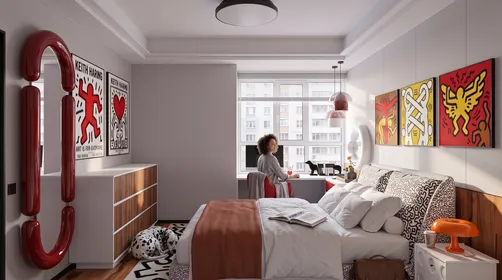






![Design [4]](https://hs-designs.homestyler.com/production/design/images/07c2de3a-88ec-4be8-8910-ff255b795bc2/1731419398293/7841697.jpg?x-oss-process=image/resize,w_502,m_mfit/format,webp)

![[For dear Adelina madee 🤎]](https://hs-designs.homestyler.com/production/design/images/8a07e535-9cbc-4132-a42a-5932dac3a112/1706972286037.jpg?x-oss-process=image/resize,w_502,m_mfit/format,webp)