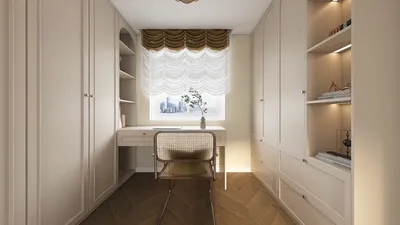


Creating a small home designed for seniors starts with a clear vision: minimizing steps, ensuring easy navigation, and crafting a layout that seamlessly integrates with their daily lives. I emphasize the importance of single-level living, creating open circulation routes and adaptable rooms that can adjust to shifting mobility needs. According to the WELL v2 standard, sufficient lighting and minimized glare are vital for enhancing visual comfort and safety, while research by Steelcase demonstrates that ergonomic and supportive settings can significantly enhance wellbeing. These two aspects—visual comfort and ergonomic ease—form the foundation of my designs for aging-in-place, supported by tools like Homestyler for visualization.
The size of a home is just as crucial as its layout. In my designs, spaces ranging from 800 to 1,200 square feet often strike the perfect balance for seniors seeking independence without overwhelming maintenance responsibilities. Gensler’s workplace studies have shown that environments tailored to human needs boost performance and satisfaction, a principle that equally applies to residential spaces: rooms should be easily accessible, user-friendly, and simple to maintain. For optimal lighting, I adhere to IES guidelines, which suggest increased horizontal illuminance in task areas to accommodate vision changes that come with aging; warm-neutral light around 3000–3500K tends to harmonize visual clarity and comfort. To begin effectively, using tools such as room layout planners or Homestyler can assist seniors and their families in visualizing furniture arrangements, turning radii, and clearance before any construction begins.
Fundamental Planning Guidelines
I ensure that the widths of circulation spaces are at least 36 inches, ideally 42 inches to accommodate wheelchairs or walkers comfortably. Where possible, doorways should also be 36 inches wide and all thresholds should be flush to reduce trip hazards. If the design requires an entry step, I include a gentle ramp with handrails on both sides, alongside non-slip, high-contrast nosings for safety.
Single-Level Living and Zoning
A single-level floor plan remains the most effective design to facilitate aging-in-place. I organize the home into three distinct zones: public spaces (entry and living areas), semi-private spaces (kitchen and dining), and private areas (bedroom and bathroom). This arrangement minimizes travel distances for daily activities and ensures quiet paths at night. I avoid long, narrow hallways; instead, I design visually open junctions using natural light to aid wayfinding.
Kitchen Ergonomics to Minimize Effort and Strain
I recommend counter heights of 34 to 36 inches, which suit both seated and standing tasks. Features like D-shaped handles, pull-out shelves, and cabinets that prioritize visibility over depth reduce the need for bending. Incorporating side-opening wall ovens, induction cooktops with automatic shut-off, and lever faucets enhances safety. Additionally, I apply under-cabinet task lighting at 300 to 500 lux to minimize shadows, using matte finishes to limit glare. I follow NKBA guidelines to ensure appliances are positioned for safe use and easy accessibility without the need for step stools.
Bathrooms: Safety with a Homelike Feel
In my senior designs, curbless showers with a gentle slope, linear drains, and non-slip tiles (with a minimum wet DCOF of 0.42) are standard. I install grab bars at a height of 33 to 36 inches, securely anchored into the wall to ensure their reliability, and I employ contrasting finishes to enhance visual distinction. Wall-mounted or comfort-height toilets (17 to 19 inches) facilitate easier transitions. I prefer using thermostatic mixing valves to prevent scalding and incorporate soft, indirect vanity lighting at eye level to minimize shadows on the face.
Bedrooms: Ensuring Clear Lines of Vision and Safety
A bed platform height between 20 and 23 inches usually supports easier transfers. I orient the bed to maintain a clear 36-inch path to the bathroom, implement motion-sensor floor lighting with low brightness to protect circadian rhythms, and ensure the closet is easily accessible—features like double-hang rods and pull-down mechanisms help avoid overhead strain.
Living Spaces: Versatile, Serene, and Acoustic-Friendly
Compact living rooms benefit from modular seating that supports posture and allows for easy exit. I suggest firm cushions, armrests for leverage, and rounded coffee tables with high-contrast edges. Acoustic comfort is important; soft rugs, fabric wall panels, and bookshelves contribute to reducing sound reverberation, which is particularly beneficial for seniors with hearing aids during conversations.
Lighting: Sensitive to Age and Glare
As eyes age, they need more light to distinguish contrasts. I incorporate layered ambient lighting (200 to 300 lux) alongside task-specific lighting (300 to 500 lux), while limiting glare from direct sources and choosing LED lights that emit warm-neutral tones (3000 to 3500K) for clarity. Adhering to IES guidelines helps ensure safe navigation and reduces the risk of falls, while WELL principles promote visual comfort and circadian alignment by avoiding harsh contrast.
Understanding Color Psychology and Contrast
Colors can either soothe or signal. I utilize soft neutral tones on the walls, mid-tone flooring to highlight dropped items, and distinct color contrasts at stair edges, counters, and grab bars to enhance visibility. This approach adheres to recognized principles of color psychology: soothing hues reduce anxiety and assist with spatial orientation without causing overstimulation.
Material Choices: Focus on Slip Resistance, Ease of Cleaning, and Warmth
Flooring must provide a balance between traction and cleanability. I favor matte luxury vinyl planks (LVP), rubber flooring, or textured porcelain tiles that are appropriate for wet areas, steering clear of high-gloss finishes that can pose slip hazards. In wet spaces, textured grout lines enhance grip. For handrails and hardware, using warmer metals or wood eliminates temperature shock and improves tactile comfort.
Storage and Convenient Reach Zones
I identify frequently used items within the 20 to 50 inch reach zone. Pull-out pantries, shallow shelves, and labeled storage bins at eye level minimize search time and bending. In entryways, benches with storage for shoes and mobility aids ensure pathways remain clear.
Integrating Technology and Safety
Smart technology discreetly enhances independence: video doorbells, illuminated switches, and voice-activated lighting reduce risks. I specify interconnected smoke and carbon monoxide detectors with large, easy-to-read displays, and smart blinds that adjust with the time of day to maintain privacy and adequate natural light.
Outdoor Connections and Mini Landscapes
Porches featuring deep overhangs offer protection from both glare and rain, with non-slip, high-contrast paving marking edges. Raised garden beds at heights of 24 to 30 inches facilitate gardening without kneeling, while handrails and stable pathways support outdoor movement.
Effective Compact Plan Designs
Two plan types consistently yield good results: the split-bedroom layout, which offers privacy and guest flexibility, and the suite layout that connects the master bedroom directly to a bathroom and laundry area. Both configurations reduce travel distances and cluster daily tasks. By reorganizing furniture or evaluating turning radii, an interior layout planner, like Homestyler, assists in visualizing flow, clearance, and bath accessibility prior to construction.
Budgeting and Phased Enhancements
I often phase my projects by starting with essential upgrades such as lighting, bathroom safety, and door widths, then addressing kitchen ergonomics and storage. Prioritizing high-impact changes—like installing grab bars with appropriate support, lever handles, and task lighting—can greatly enhance safety.
Frequently Asked Questions
Aim for 36-inch door widths and hallways measuring 36 to 42 inches for improved maneuverability with walkers and wheelchairs, decreasing the risk of collisions.
Layer ambient lighting around 200 to 300 lux and task lighting at 300 to 500 lux. Opt for 3000 to 3500K LED lights with diffusers, avoiding sharp downlight glare. IES recommendations support heightened illuminance for age-related vision degradation.
Incorporate curbless showers, non-slip tiling (wet DCOF of 0.42 or greater), secure blocking for grab bars, and thermostatic valves. Enhance lighting with soft, eyeline vanity illumination to reduce shadowing.
I suggest drawers over deep cabinets, side-opening wall ovens, induction cooktops, and pull-out pantry systems. Frequently used items should be positioned within a reachable 20 to 50 inch range.
To improve safety, remove thresholds, secure rugs, choose matte flooring, and maintain high-contrast edges at steps and transitions. Ensure circulation routes are free of clutter.
For walls, I recommend soft neutrals, mid-tone flooring, and contrasting colors for edges, handles, and controls. Calming shades are great for alleviating stress and enhancing orientation.
Introduce rugs, upholstered furnishings, drapes, and bookshelves to soften sound reverberation, making conversations easier for individuals with hearing aids.
This design remains the safest option. If a second floor exists, it’s best to situate the primary bedroom, bathroom, and laundry on the main level, utilizing continuous handrails and stairlifts when required.
Incorporating voice-activated lighting, interconnected smoke and CO detectors, illuminated switches, induction cooktops with safety locks, and video doorbells enhances security and convenience.
Aim to maintain 60-inch clear circles in living areas and bathrooms. Utilizing layout simulation tools can help test reach and circulation paths before purchasing furniture or fixtures.
Opt for matte LVP, rubber, or textured porcelain flooring providing adequate wet traction while avoiding high-gloss finishes that can elevate glare and slipping risks.
Provide features such as a covered porch with non-slip paving, high-contrast nosings, gentle ramps with dual handrails, and ample vertical lighting without harsh glare.



Homestyler is your go-to online home design platform! With its user-friendly design tool, stunning 3D renderings, and a wealth of DIY video tutorials, you can easily visualize and create your dream space. Unleash your creativity and transform your home today!
Design jetzt kostenlos
































